How Long Do Epoxy Garage Floors Last? Life Expectancy & Alternative Coating Options
How long a garage floor coating lasts depends on the coating type, surface preparation, and daily wear. Standard epoxy floors last three to ten years in residential garages, depending on whether you choose a DIY kit or a professional installation. Polyaspartic coatings carry manufacturer ratings of 15 to 20 years, and layered polyurea systems are designed to perform even longer. 12 Point Concrete Coatings installs polyurea and polyaspartic systems across Northwest Arkansas that are designed to outlast epoxy by a decade or more.
After installing coatings on garage floors in Bentonville, Fayetteville, and Rogers, we've learned that the number on the product label rarely matches what the floor actually delivers. Climate, concrete condition, and installation method determine whether a coating hits five years or twenty. Here's what each type realistically gives you in Northwest Arkansas.
How Long Does Epoxy Actually Last?
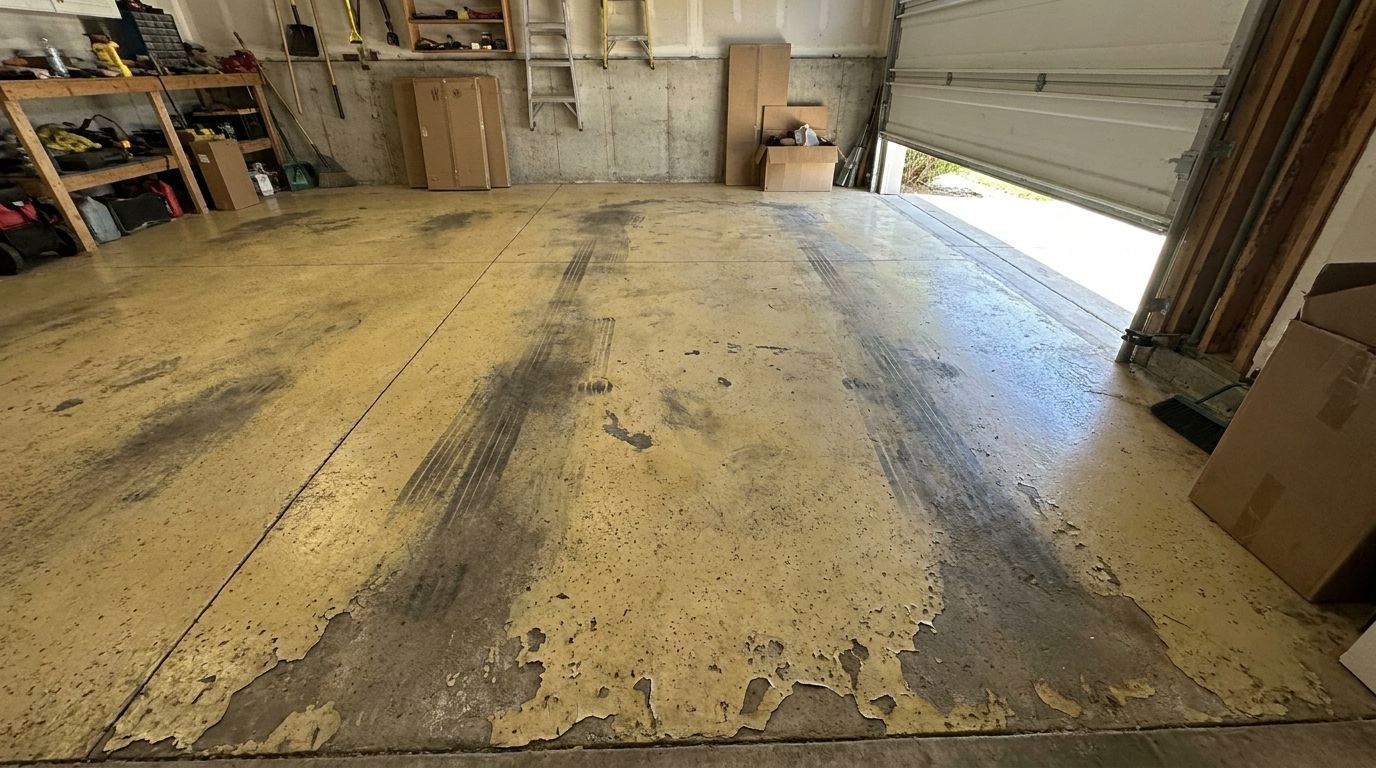
Epoxy is the most common garage floor coating and also the shortest-lived. Professional-grade epoxy installed with proper surface grinding lasts five to ten years in a residential garage that sees regular vehicle traffic.
What Shortens That Timeline
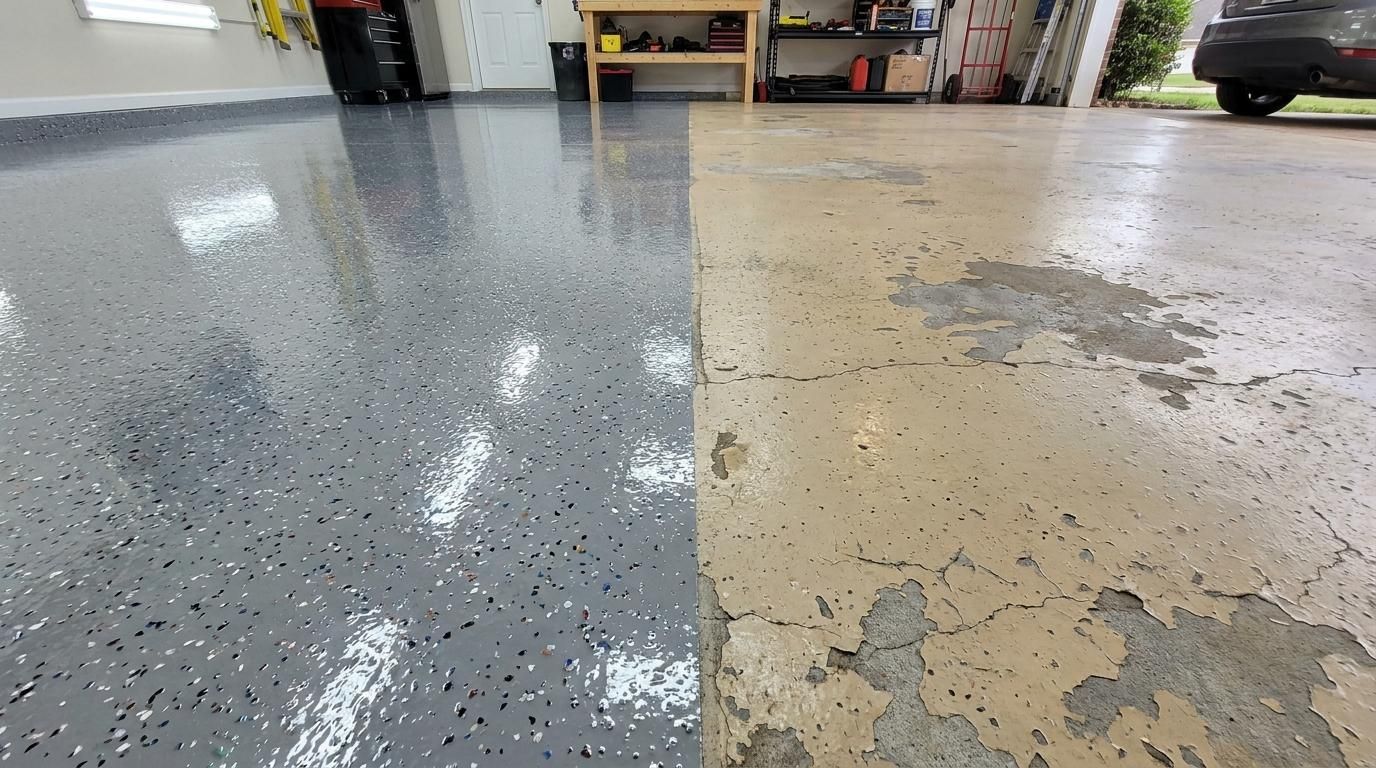
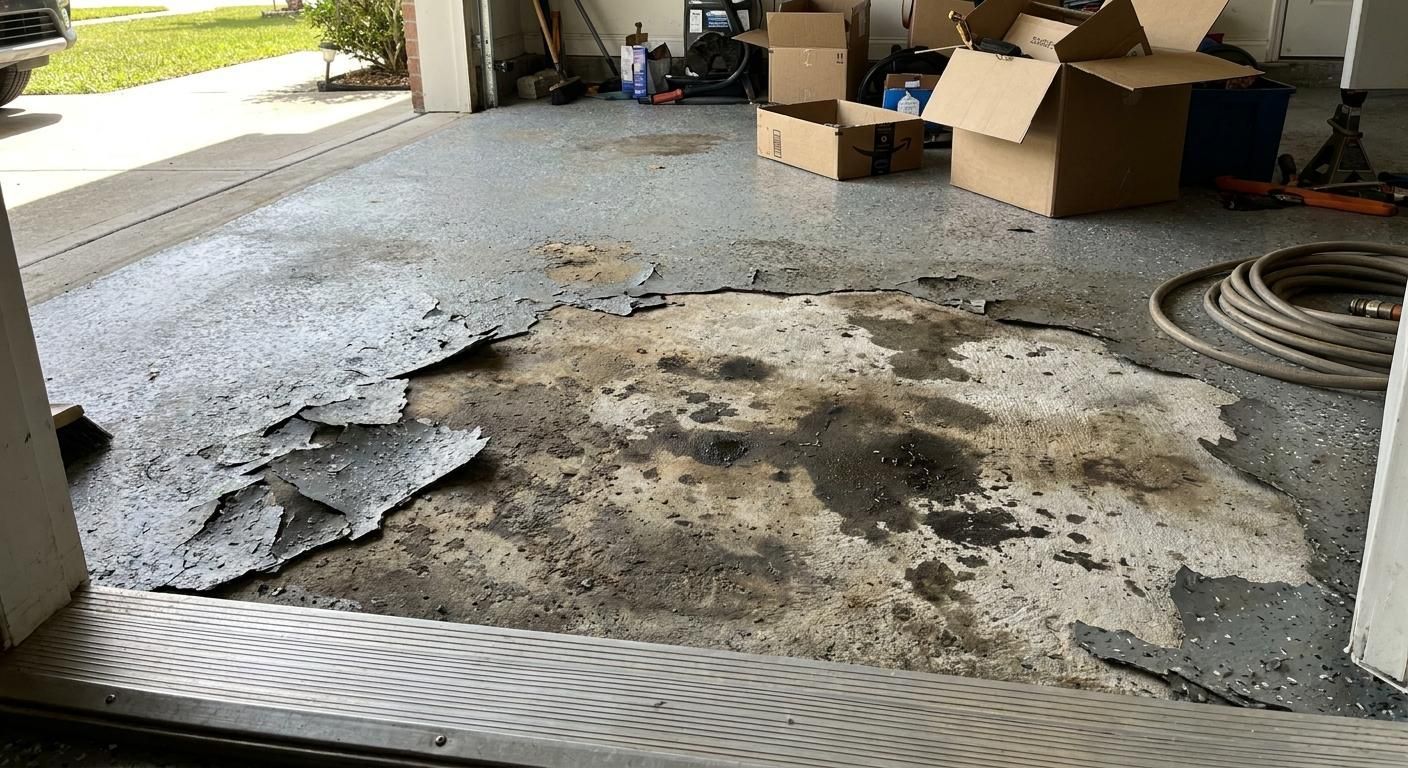
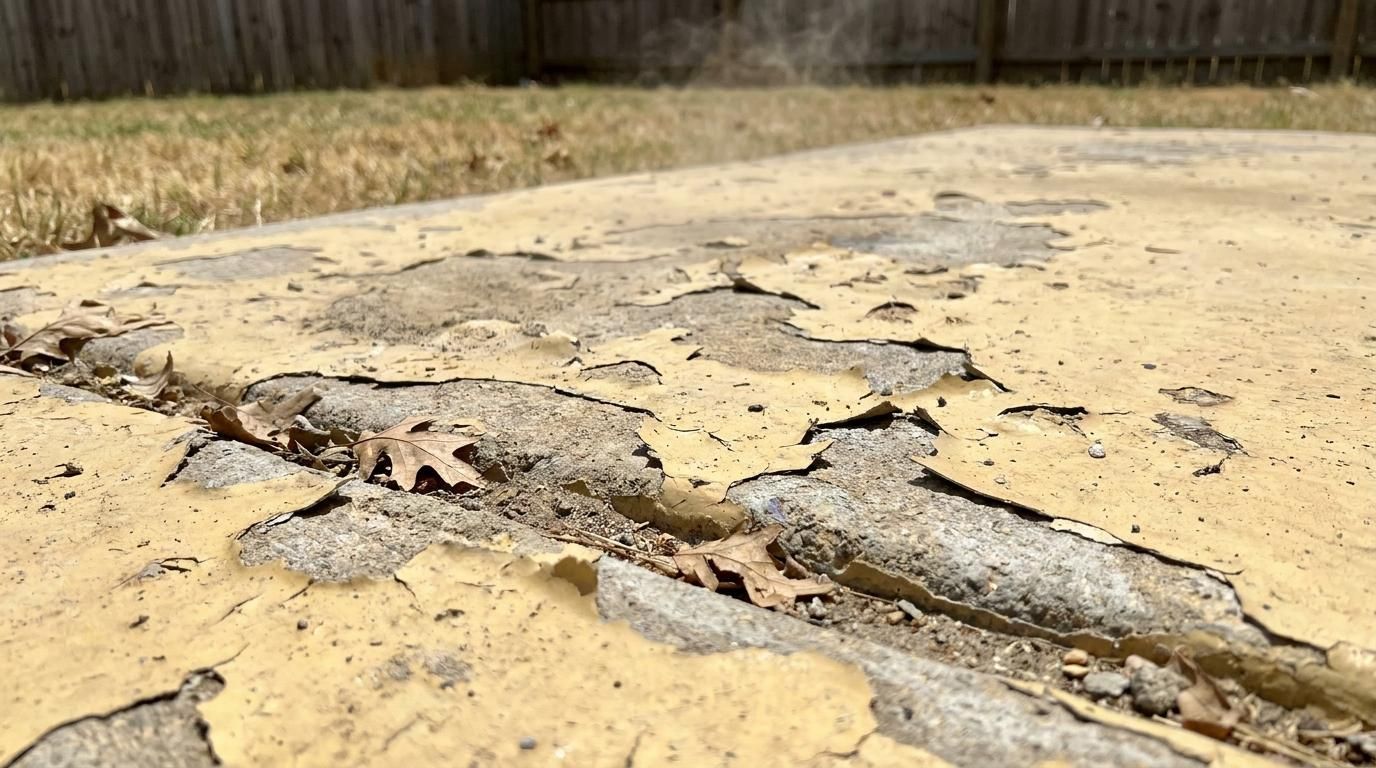
DIY epoxy kits from home improvement stores typically fail within two to five years. They skip the diamond-grinding step that opens concrete pores for a strong bond, and the coating formula is thinner than professional-grade material. Hot tire pickup is the most common early failure: warm tires soften the epoxy surface and peel it away when you drive off. UV exposure from open garage doors accelerates yellowing and chalking, especially in south-facing garages across Northwest Arkansas.
Why Epoxy Fails Sooner in Northwest Arkansas
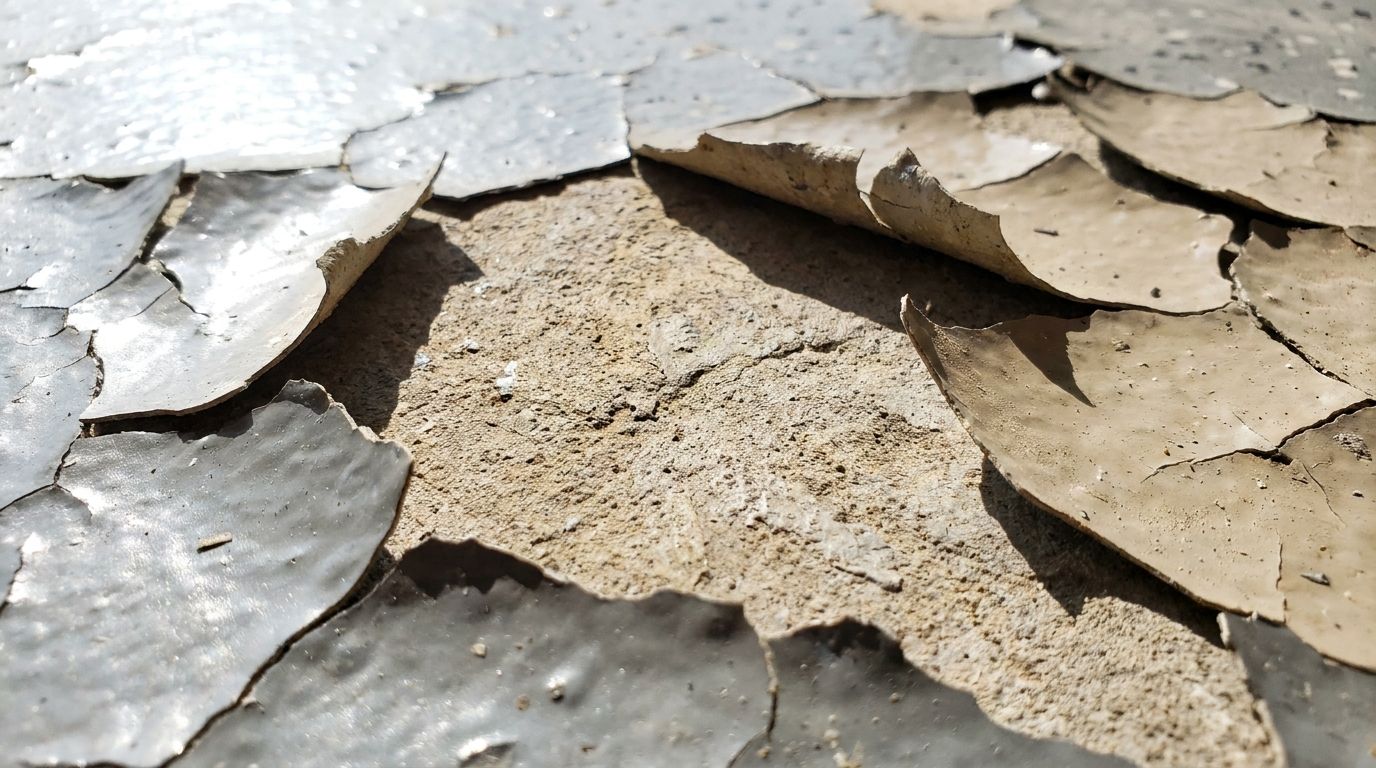
Arkansas's climate stresses epoxy in ways that milder regions don't. Summer temperatures in Fayetteville and the surrounding area regularly push past 95°F, softening epoxy and making it vulnerable to tire marks and abrasion. Winter lows below 20°F cause concrete to contract, and rigid epoxy can't flex with it.
That freeze-thaw cycle creates micro-cracks in the coating that let moisture underneath. Once water gets between the epoxy and the slab, delamination follows quickly. Humidity also plays a role. NWA's summer humidity levels above 70% increase moisture vapor transmission through the concrete, which pushes against coatings that lack a flexible, moisture-blocking base layer.
Coatings That Outlast Epoxy
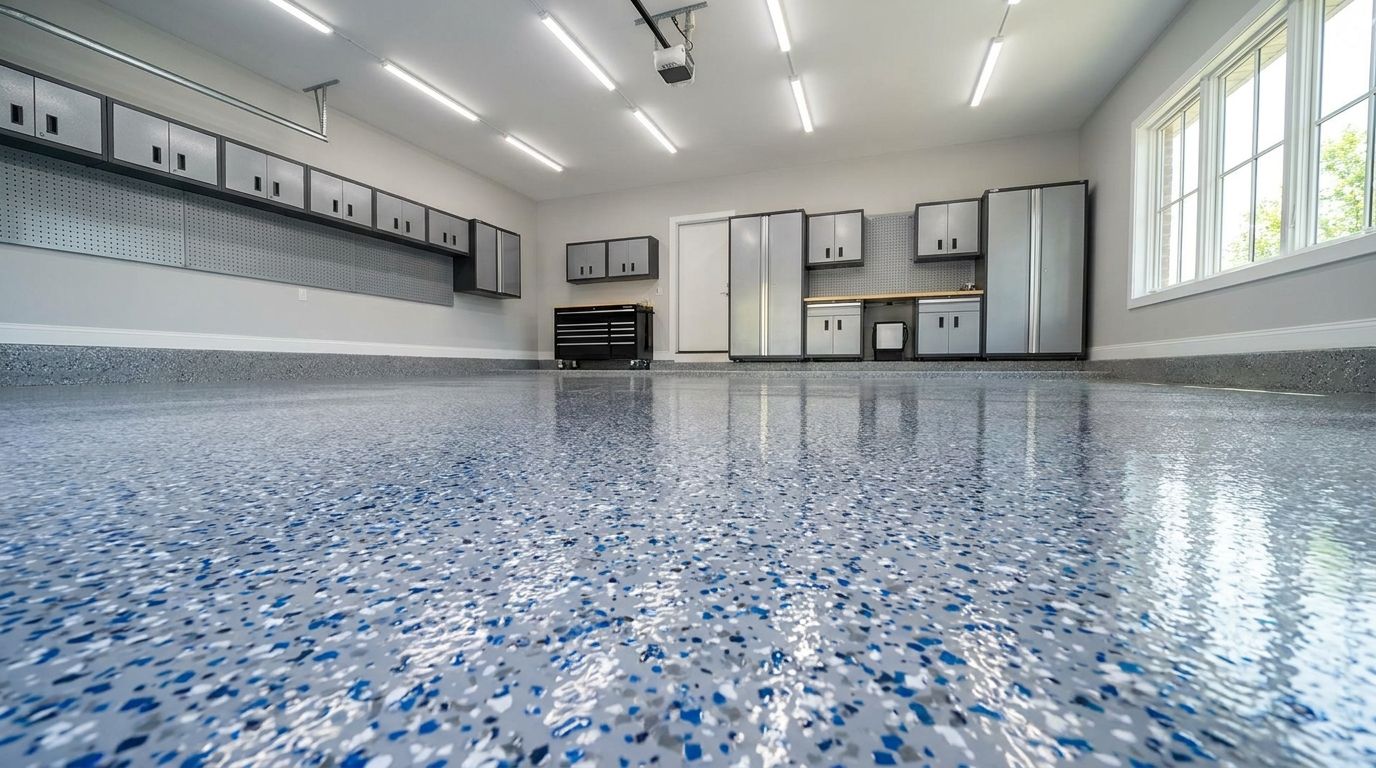
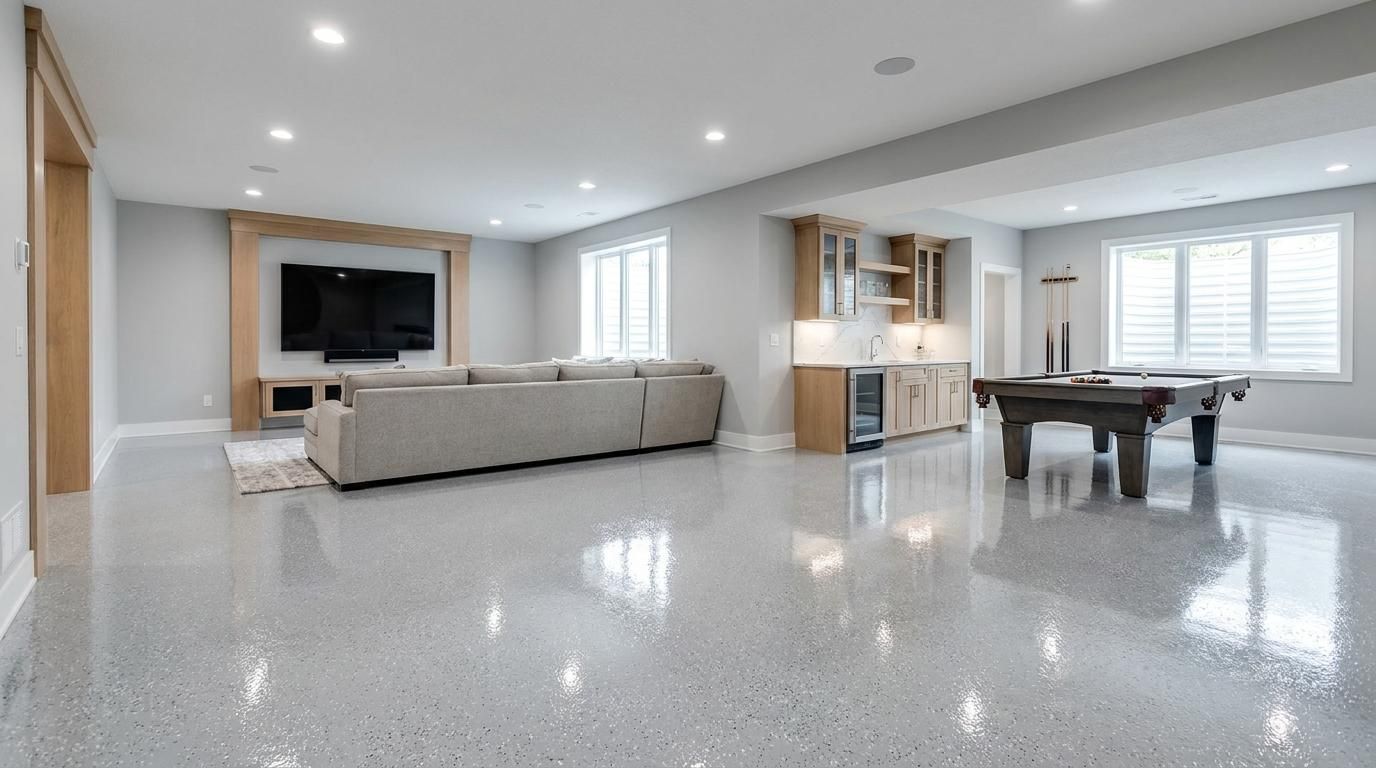
Polyaspartic coatings carry manufacturer ratings of 15 to 20 years in residential garages. They resist UV damage, don't yellow, and cure in hours rather than days. The fast cure means fewer contaminants settle into the surface during installation.
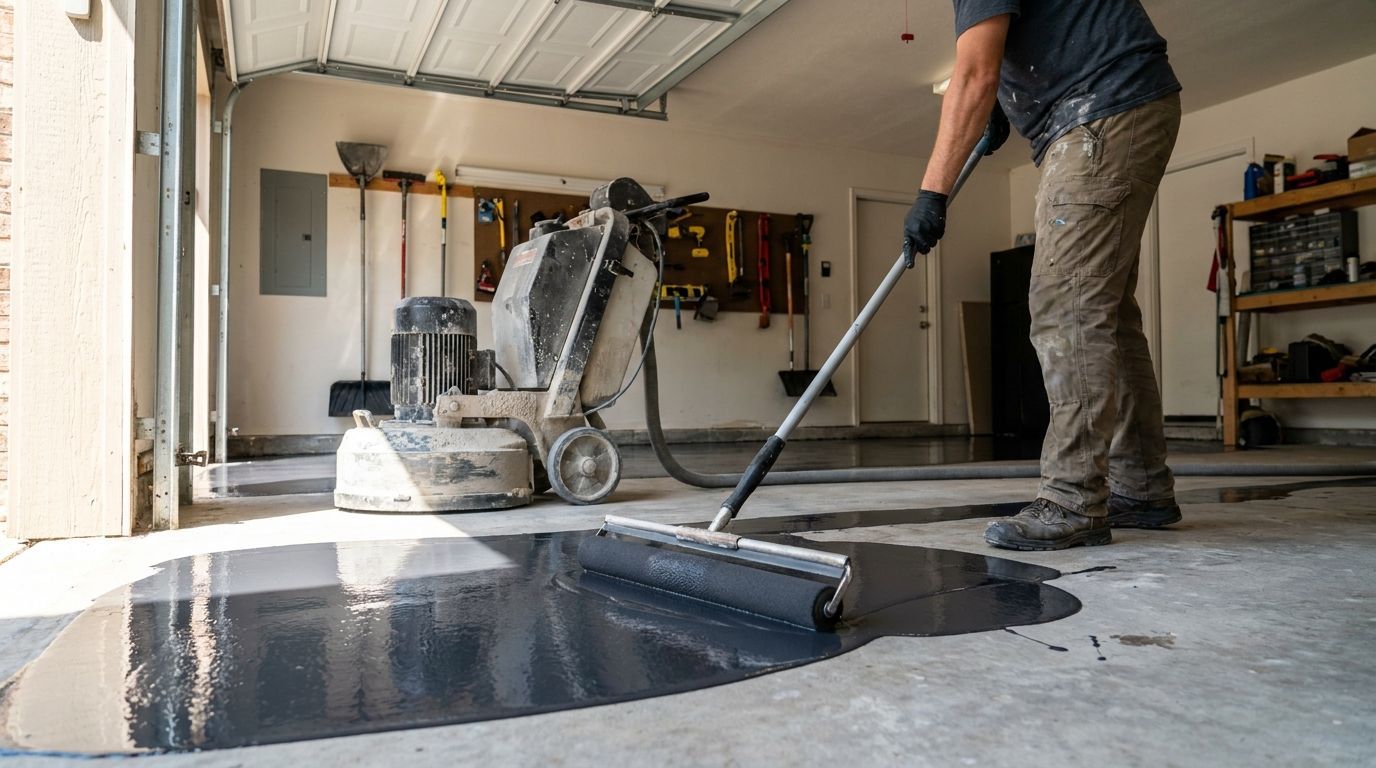
Polyurea base coats extend that range further by adding flexibility and moisture resistance underneath the top coat. The combination of polyurea below and polyaspartic above is what 12 Point Concrete Coatings installs on every garage floor project across Northwest Arkansas. The system is 4x stronger than epoxy and backed by Valence Protective Coatings' 15-year warranty against chipping, peeling, and delamination.
Frequently Asked Questions
What is the most durable garage floor coating available?
A layered system using polyurea as the base coat and polyaspartic as the top coat is the most durable option currently available for residential garages. This combination resists impact, UV, chemicals, and moisture while flexing with temperature changes. 12 Point Concrete Coatings installs this system with a 15-year warranty.
Can I recoat an old epoxy garage floor with polyaspartic?
Yes, but the old epoxy must be completely removed through professional diamond grinding first. Applying a new coating over failing epoxy traps moisture and guarantees early failure. Proper removal and concrete profiling are the foundation of a lasting recoat.
How do I know when my garage floor coating needs replacement?
Persistent yellowing, visible peeling at edges or near the garage door, hot tire marks that won't clean off, and rough spots where the coating has worn through are all signs. If water pools on the surface rather than beading, the top coat has lost its seal.
Make the Investment That Pays Back Every Year
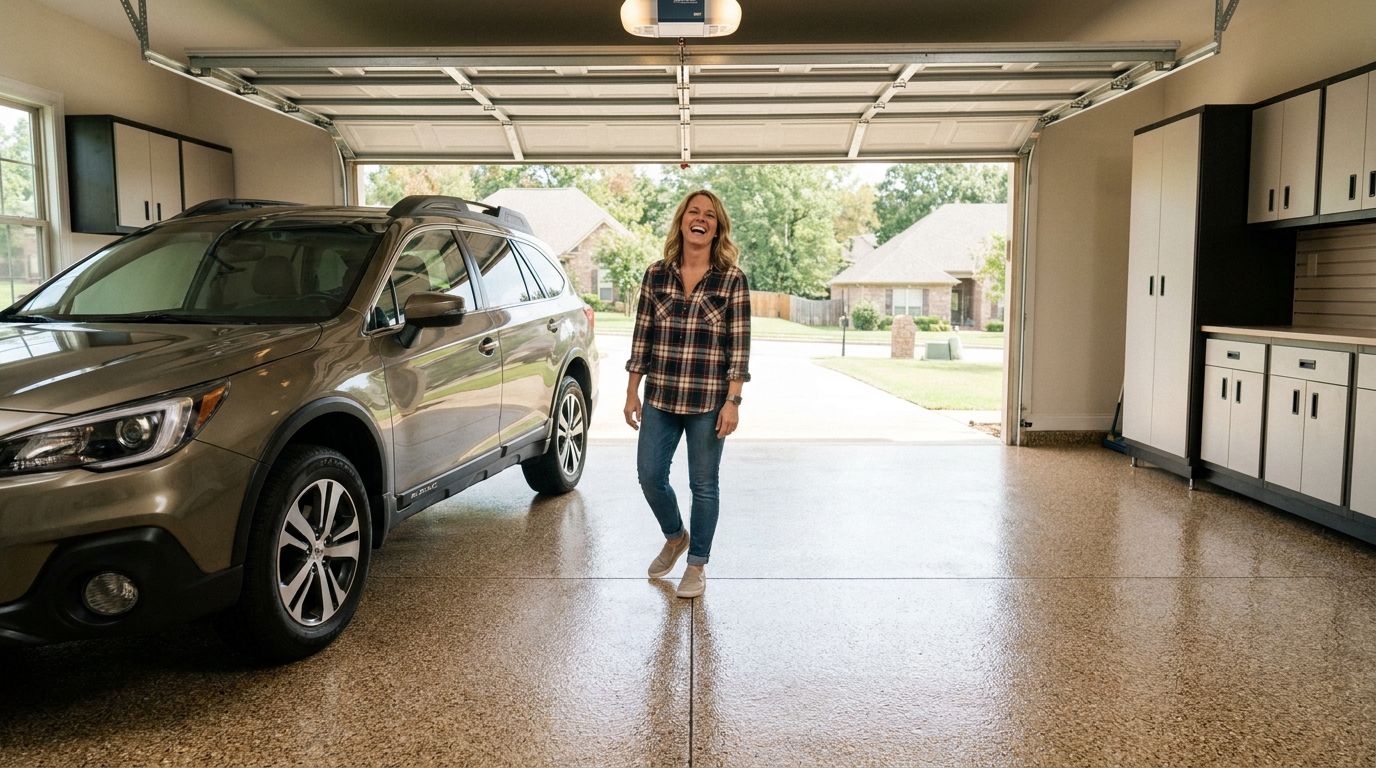
Epoxy gets you three to ten years. Polyaspartic and polyurea get you 15 to 20. When you divide the cost of a professional coating by the years it performs, the higher-quality system costs less per year than the budget option that needs replacement twice in the same window.
Contact 12 Point Concrete Coatings for a free quote or (479) 789-0812 to see what a coating built for Northwest Arkansas conditions looks like on your garage floor.