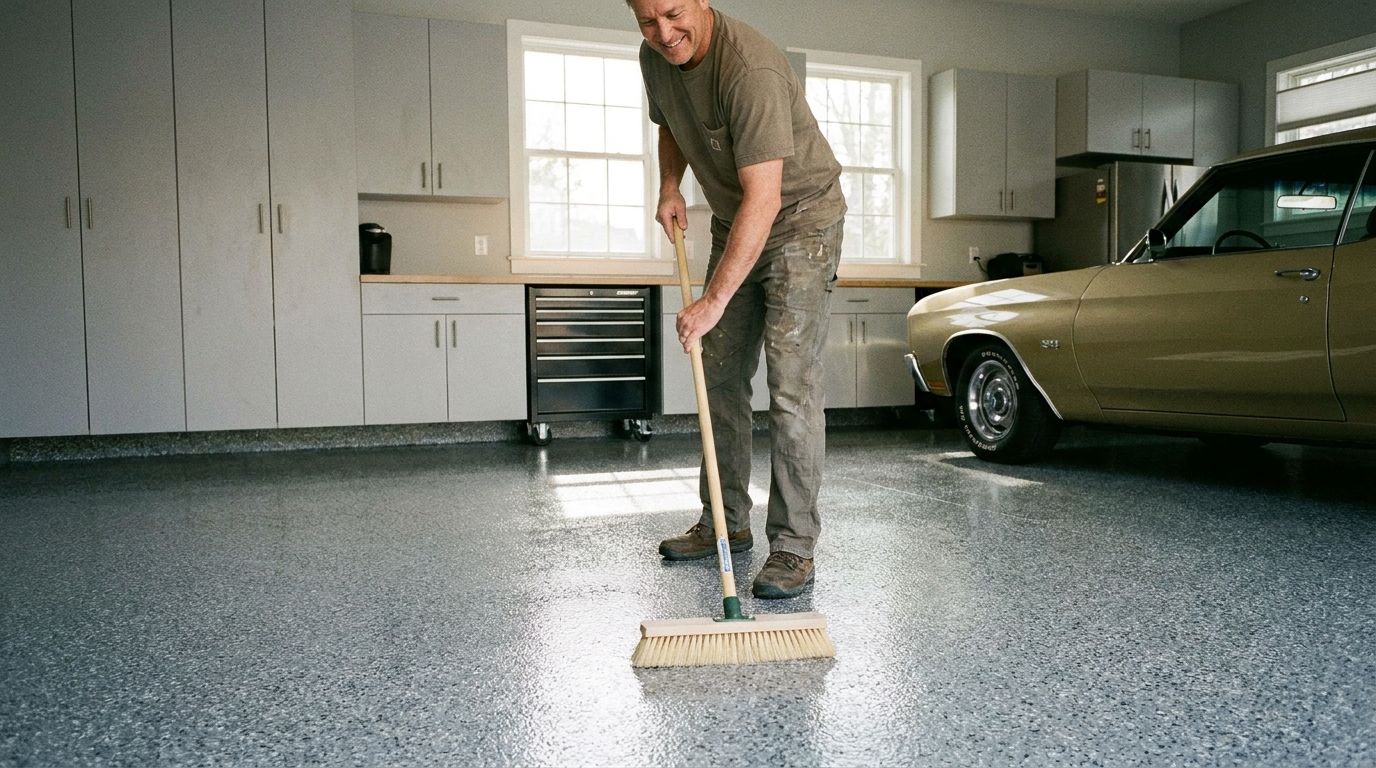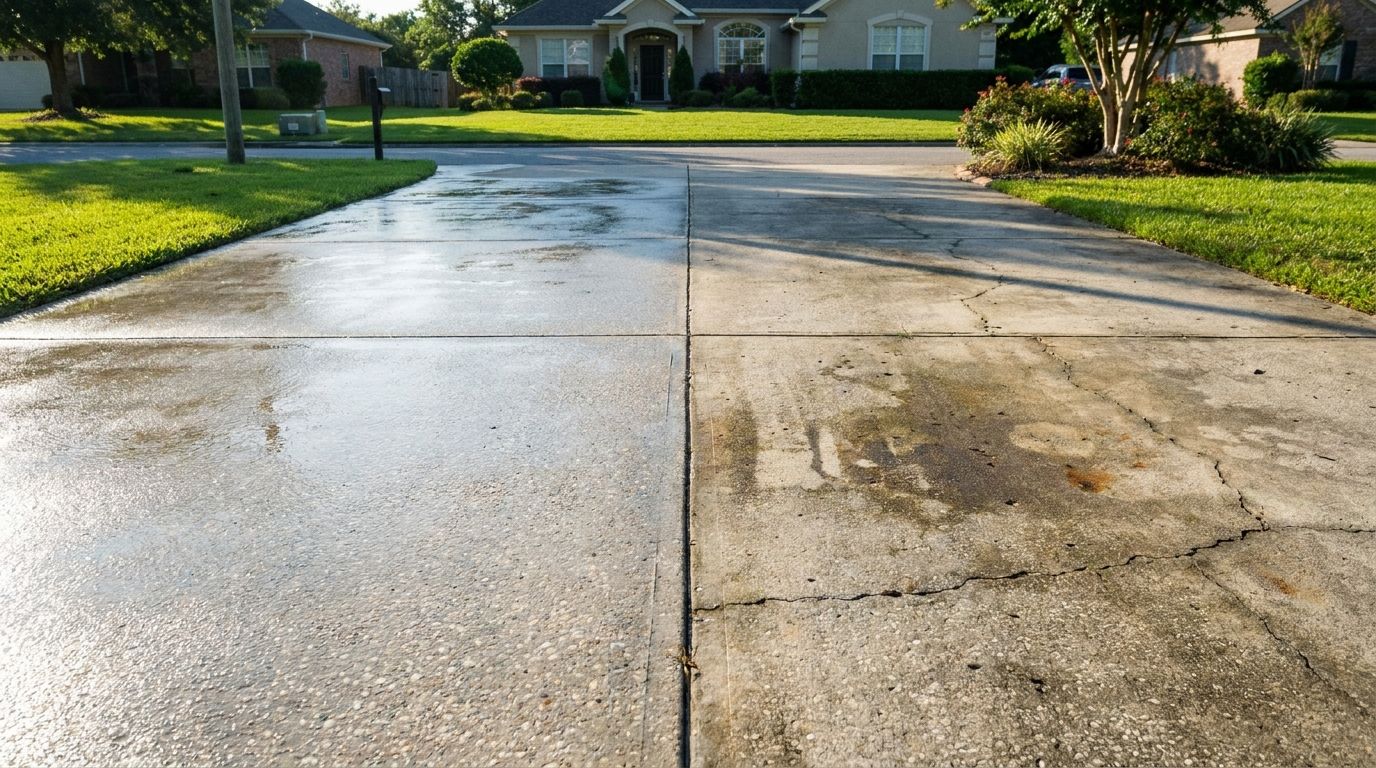
5 Signs You Need to Recoat Your Concrete Floors & When to Take Action
Five warning signs indicate your concrete floor coating has failed. Peeling edges, permanent stains, visible cracks, moisture bubbles, and surface chalking each point to a different underlying problem with the material or the installation. 12 Point Concrete Coatings provides residential concrete coating services across Northwest Arkansas, including full recoating for floors showing any of these problems.
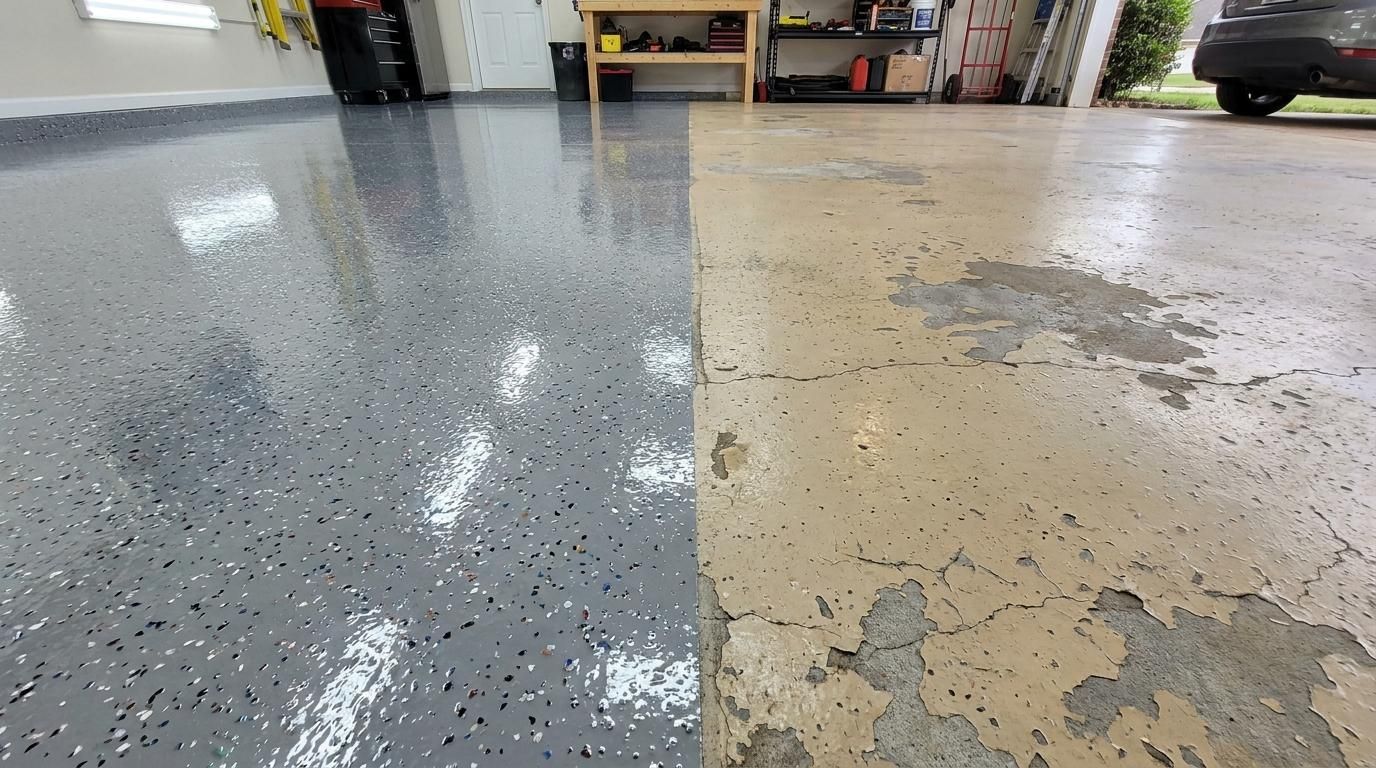
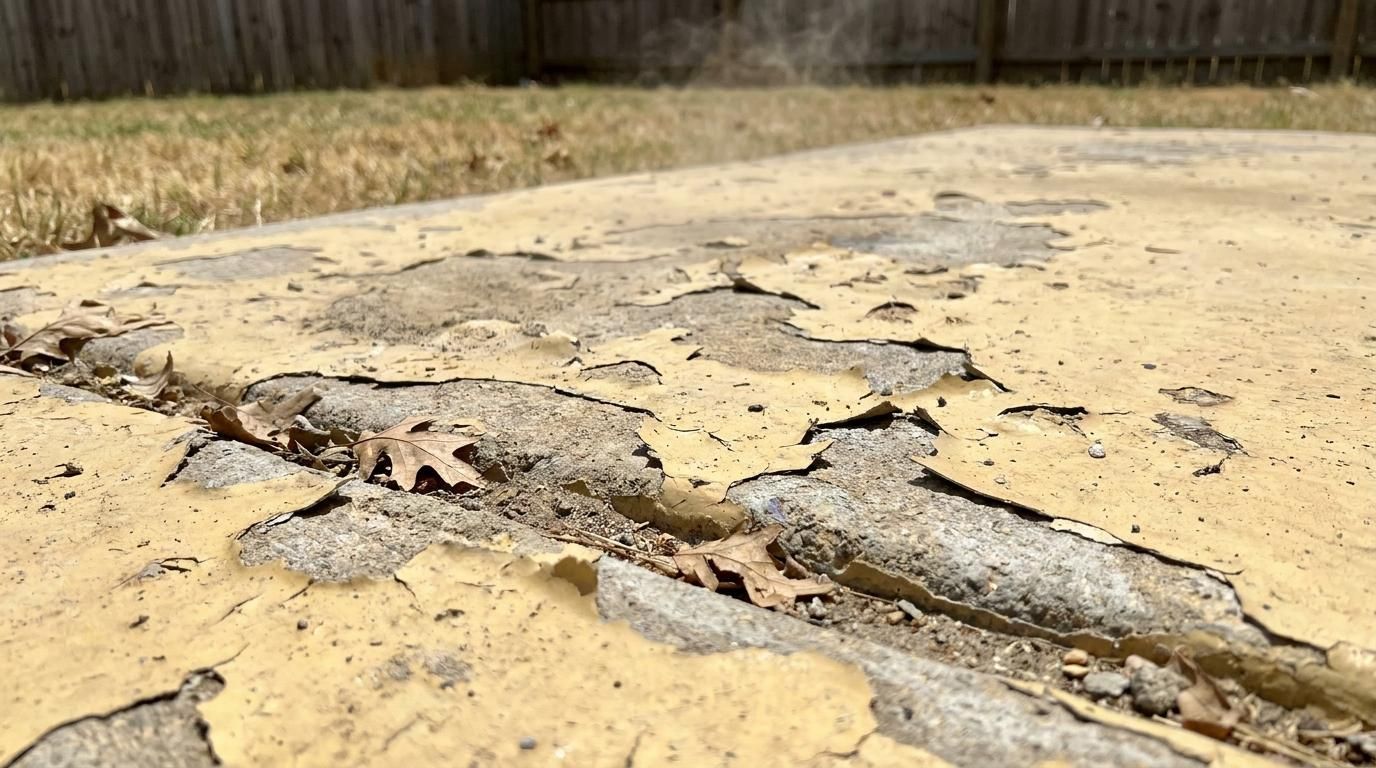
A Bentonville garage floor coated with a DIY epoxy kit three years ago looked nearly new at the one-year mark. By year two, the edges near the garage door had started lifting. By year three, the peeling had spread across a quarter of the surface, and oil stains had soaked into the exposed concrete underneath. Each warning sign points to a specific issue, and catching the damage early can significantly reduce repair costs.
Peeling, Flaking, and Stains That Won't Clean
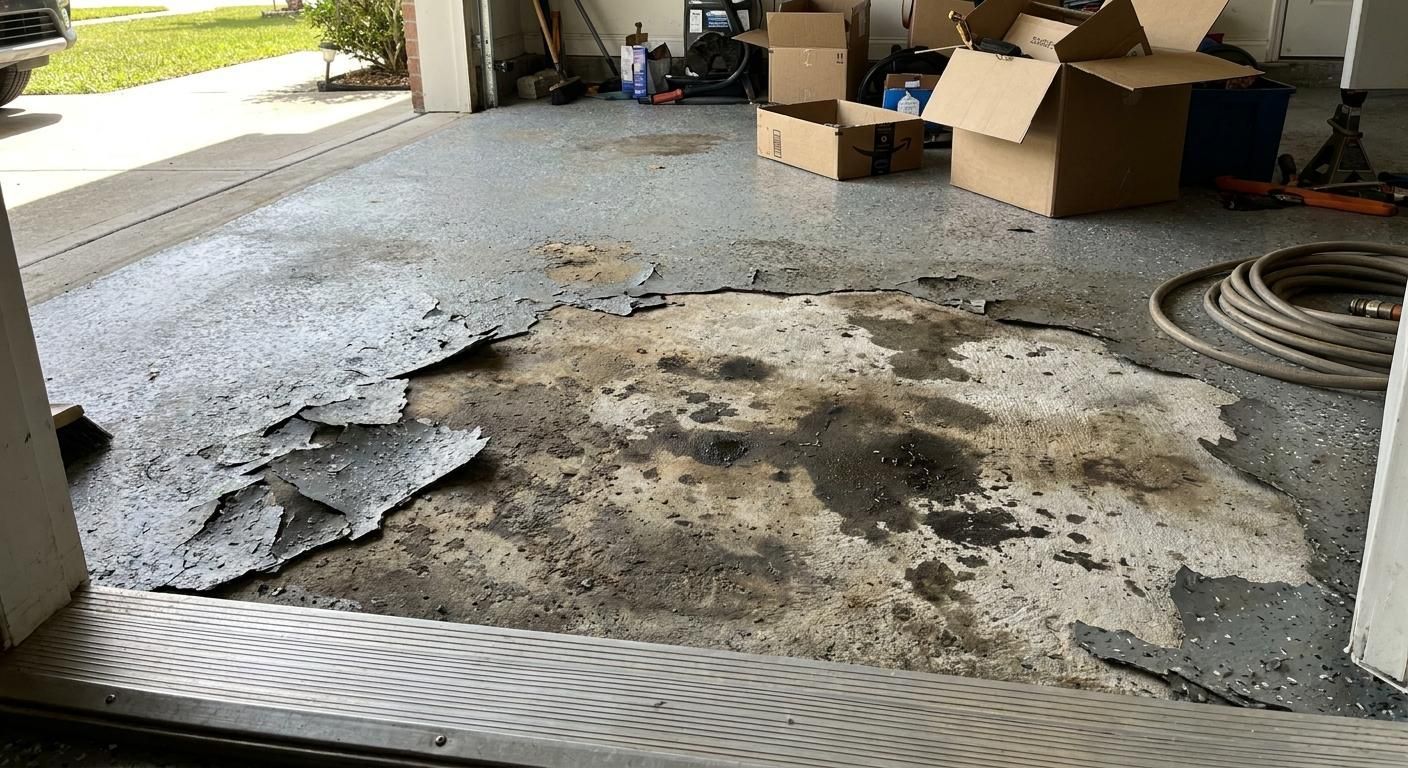
If you've noticed your floor finish lifting at the edges or picking up stubborn stains, you're likely seeing the first signs that your coating's bond has weakened.
Peeling or Flaking Edges
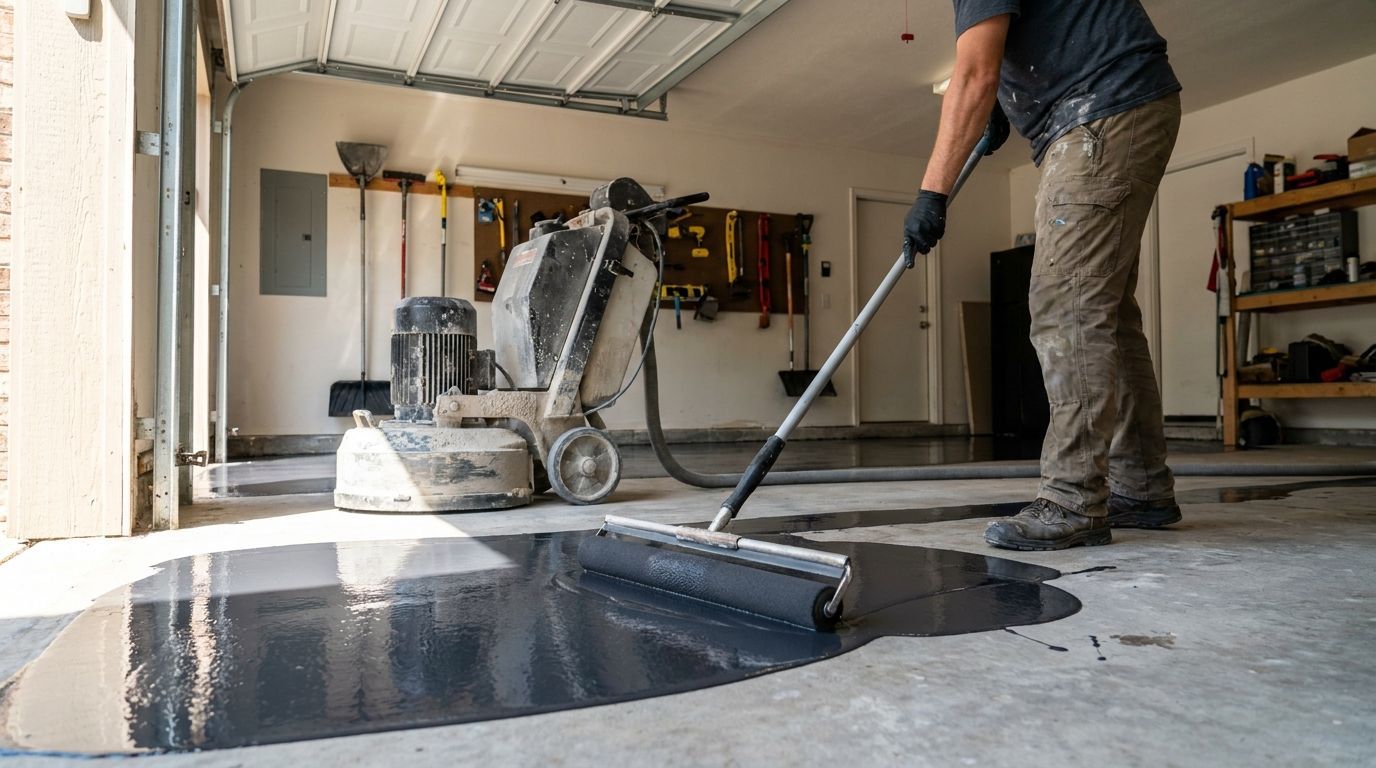
Peeling usually starts at the edges of the floor, near garage doors, doorways, or along walls where moisture vapor enters from below. Once the bond breaks in one spot, it spreads outward. Small areas of peeling can sometimes be spot-repaired with grinding and a patch coat. If peeling covers more than 15 to 20% of the surface, a full strip-and-recoat delivers a more reliable result.
Stains That No Longer Clean Out
A healthy coating repels oil, chemicals, and water. When stains soak in instead of wiping off, the coating's protective barrier has broken down. This is common with epoxy systems after five to seven years. The most durable concrete floor coatings resist stain penetration for 15 years or more because the polyaspartic top coat creates a non-porous seal.
Cracks Through the Coating and Moisture Damage
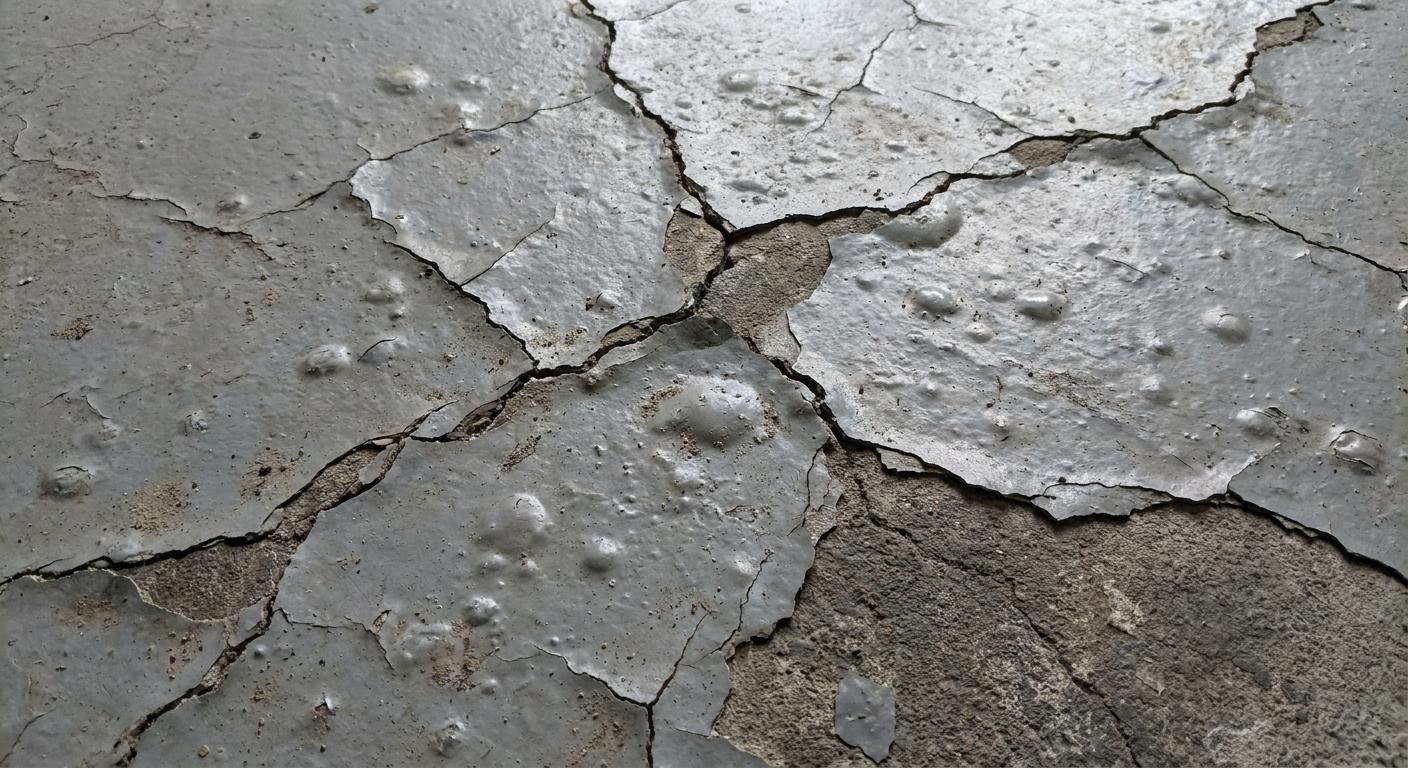
While a cracked or bubbling floor can look unsightly, these issues often point to deeper problems like slab movement or moisture seeping up from the soil below.
Visible Cracks Through the Coating
Cracks that run through the coating into the concrete beneath signal that the slab has moved and the coating could not flex with it. Rigid coatings like epoxy crack under thermal expansion in Arkansas summers and contraction in winter freezes. Polyurea base coats flex with the slab because the material stays elastic across a temperature range of -40°F to 350°F.
Moisture Bubbles or Damp Patches
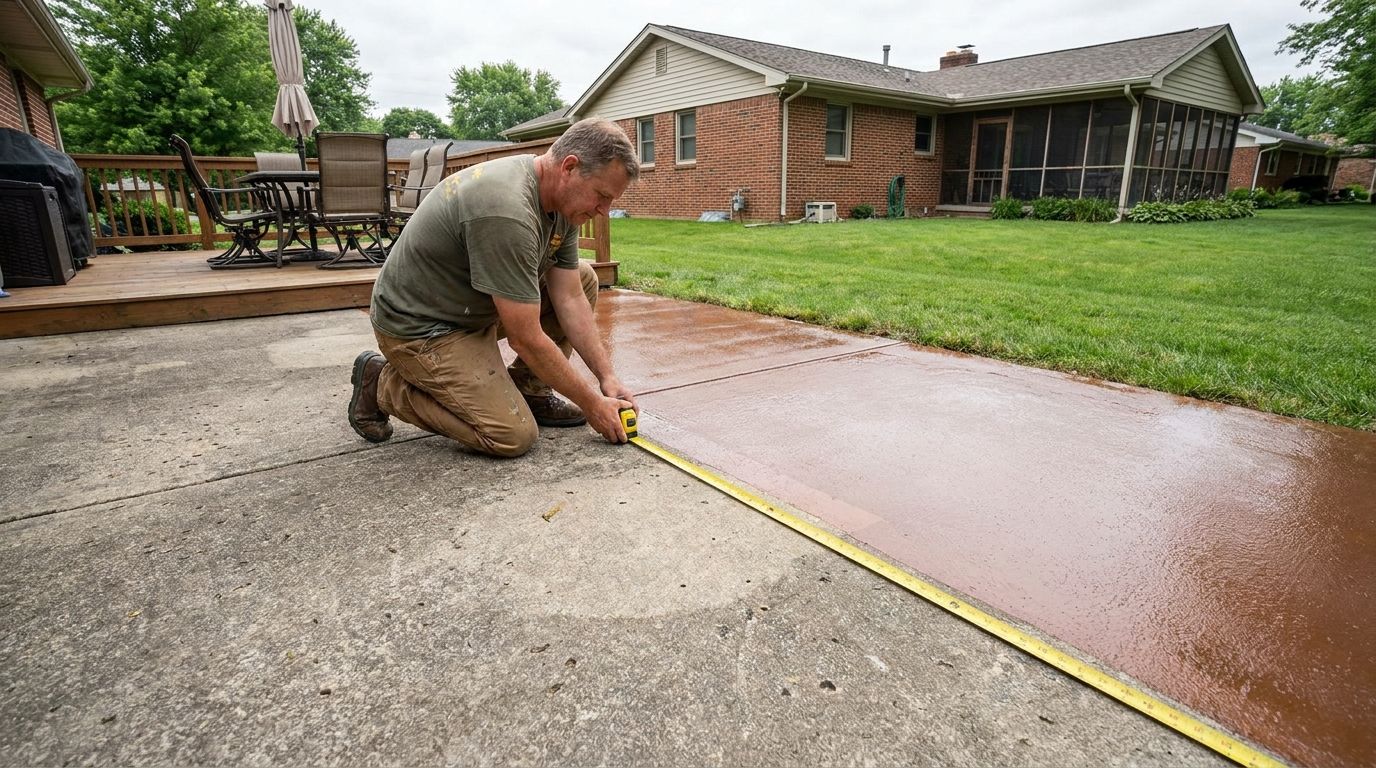
Bubbles beneath the coating surface or persistent damp spots on top indicate moisture vapor pushing through the concrete from below. This is common in NWA basements and garages built on clay-heavy soil. The coating needs to be removed, the slab tested for vapor transmission, and a moisture-blocking system installed before any new coating is applied. Understanding the real cost of concrete floor coating helps homeowners budget for the full recoat.
Surface Fading, Chalking, and When to Act
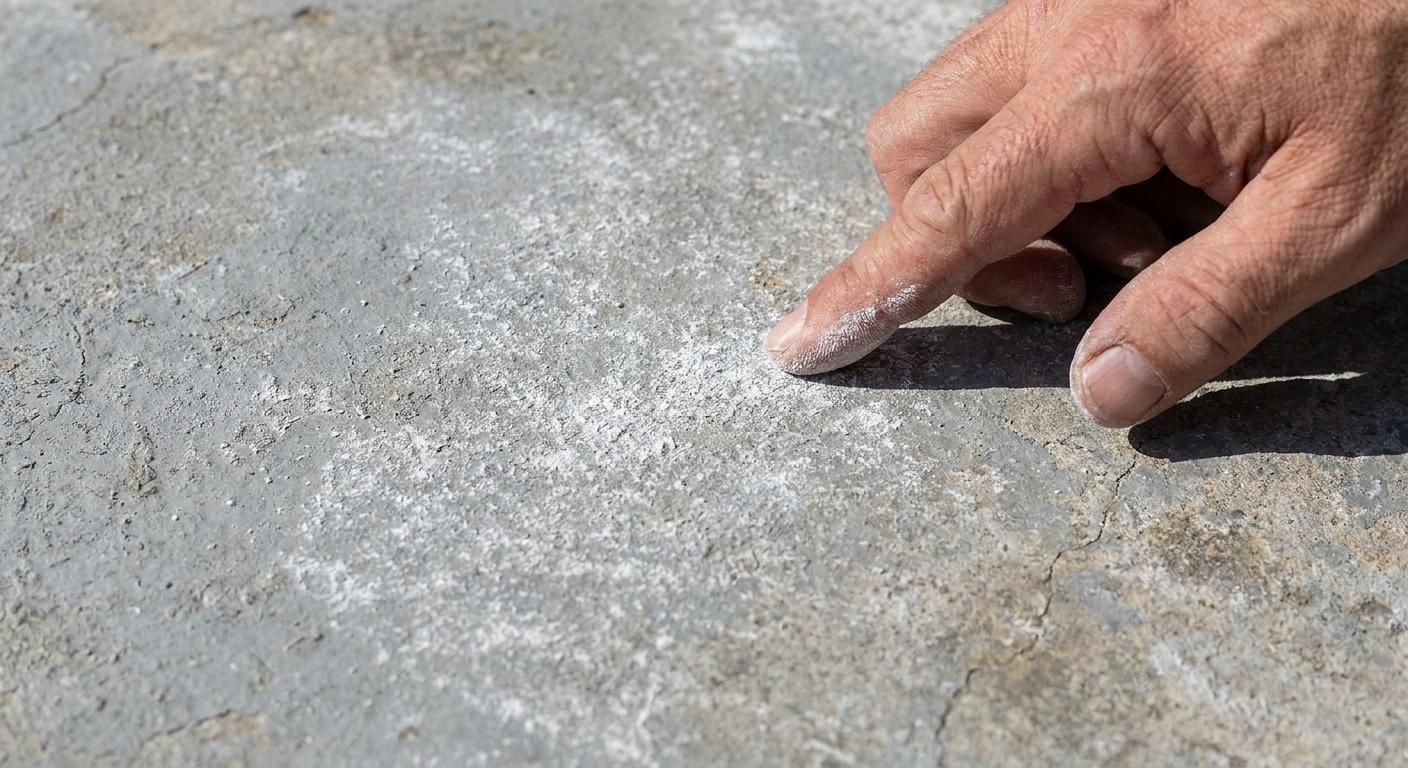
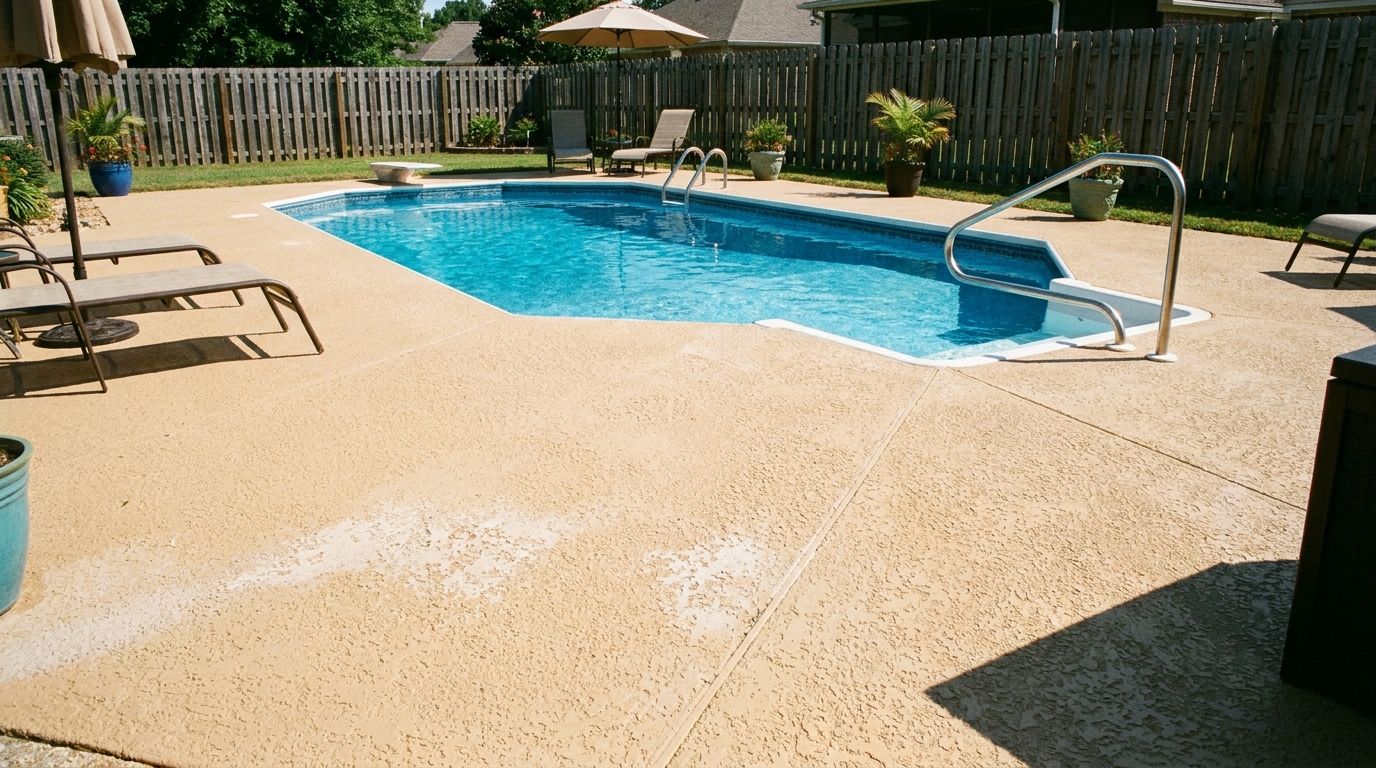
A faded or chalky surface means the coating's UV protection has failed. Run a finger across the floor. If it picks up a fine white or colored powder, the top coat is breaking down. This is the earliest warning sign and the easiest to act on because the base coat underneath may still be intact.
If fading is the only symptom, a new polyaspartic top coat over the existing base may be enough. That option costs less than a full strip-and-recoat and adds another 15 to 20 years of UV protection. Waiting until peeling or cracking develops eliminates this option because the base coat will need replacement too.
Frequently Asked Questions
How often should concrete floor coatings be replaced?
Concrete floor coatings should be replaced based on visible wear, not a fixed schedule. Professional polyurea-polyaspartic systems typically last 15 to 25 years before needing recoating. Standard epoxy lasts five to ten years. DIY kits often need replacement within one to three years.
Can I recoat over an existing coating without stripping it?
You can recoat over an existing coating only if the base layer is still firmly bonded to the concrete and the surface is properly abraded for adhesion. If the existing coating is peeling, bubbling, or moisture-damaged, it must be stripped to bare concrete before a new system can bond.
Is it cheaper to spot-repair or fully recoat a damaged floor?
Spot-repairing a damaged floor coating is cheaper upfront when damage covers less than 15 to 20% of the surface. Beyond that threshold, a full recoat is more cost-effective because it creates a uniform bond across the entire slab.
Act on the Warning Signs Now
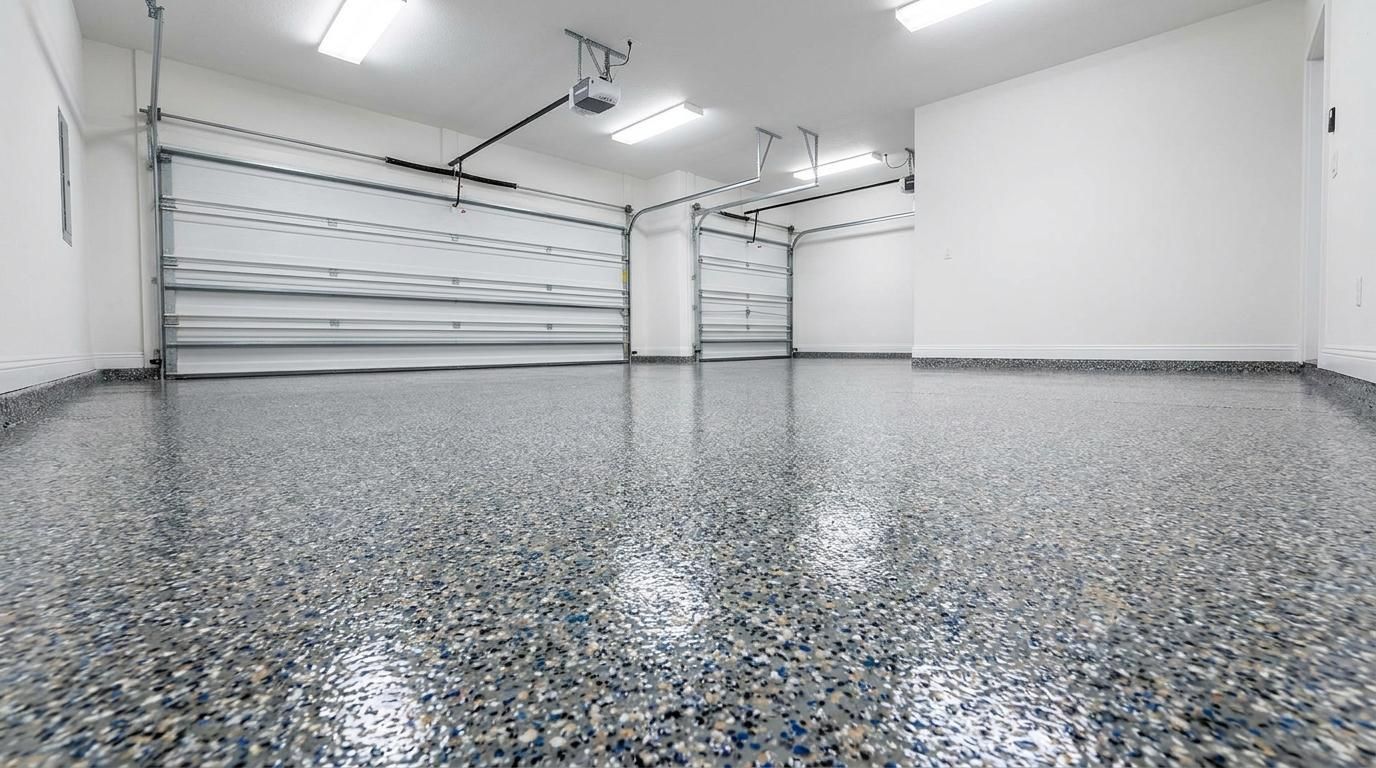
Every sign on this list gets more expensive to fix the longer it goes unaddressed. Fading turns into peeling. Peeling exposes bare concrete to stains and moisture. The right time to assess a concrete floor coating is at the first visible change, not after the damage has spread.
For a free floor assessment and recoating estimate, contact 12 Point Concrete Coatings at (479) 789-0812 or request a free quote online.