Pros and Cons of Sealing vs Coating Your Concrete Driveway: Honest Comparison Guide
Concrete driveway coating pros and cons come down to protection level, cost, and how long the treatment lasts. Sealers penetrate concrete and protect against water and salt for two to three years at $0.15 to $1.50 per square foot. Residential concrete coatings sit on top of the surface, resist UV damage and stains, and last 10 to 20 years at $5 to $12 per square foot installed. The breakdown below covers what each option actually delivers, where they differ, and which one fits which homeowner situation.
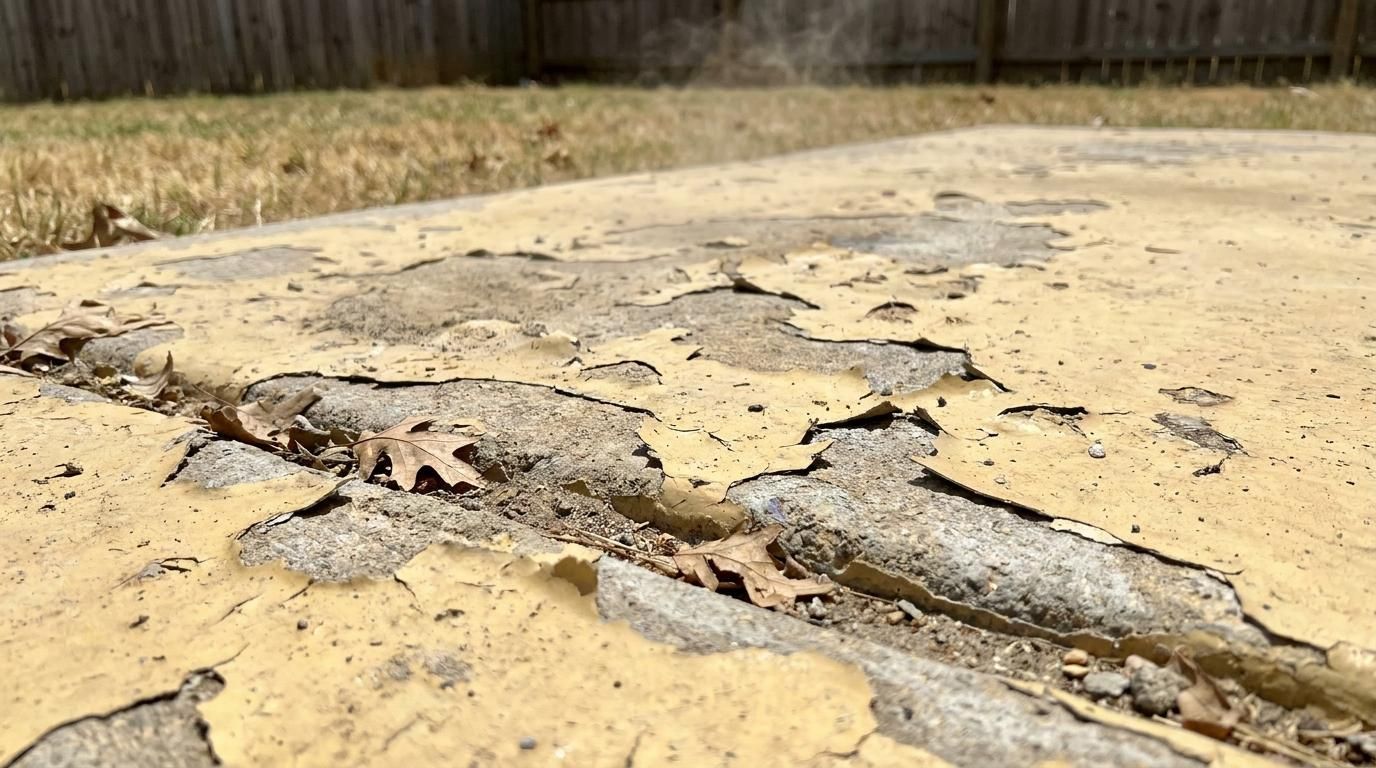
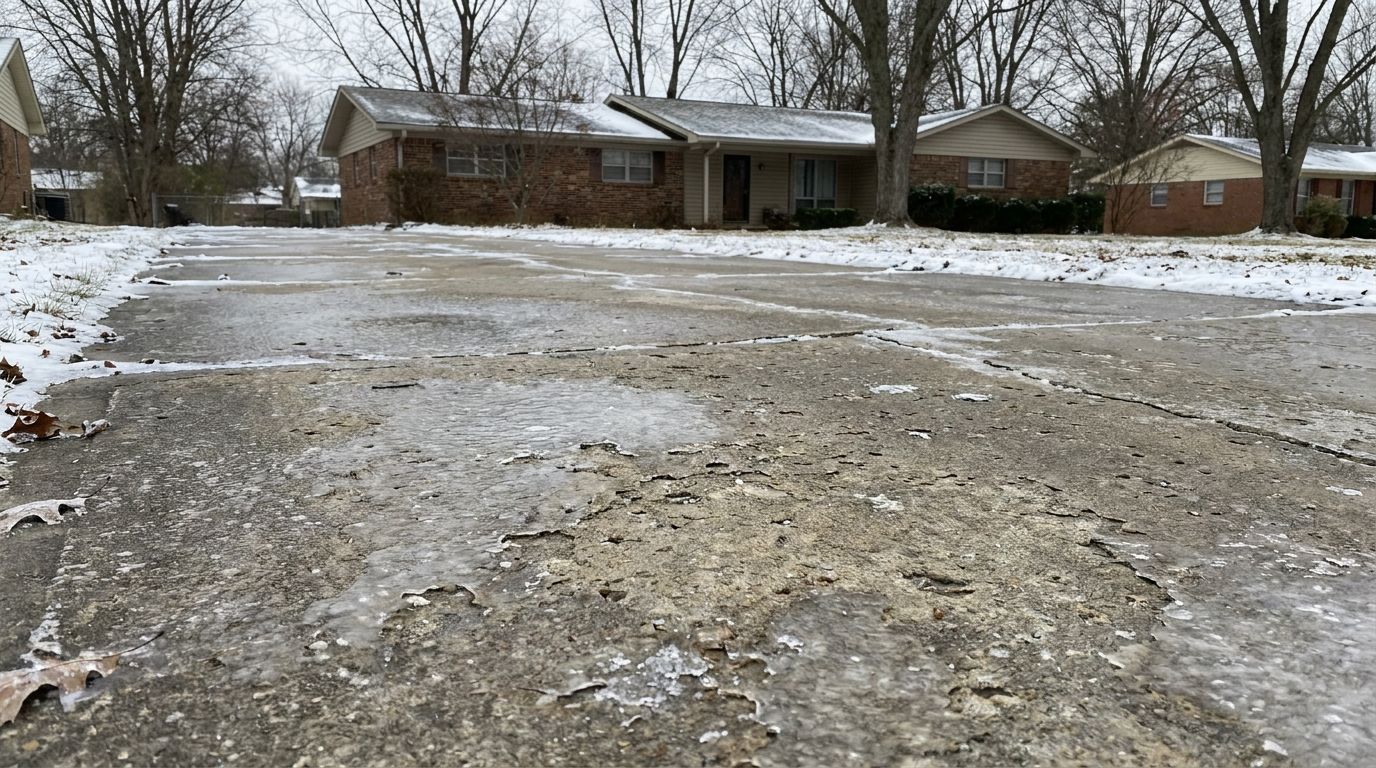
An unprotected concrete driveway in Arkansas takes real punishment. Freeze-thaw cycles crack the surface, oil stains soak in permanently, and UV exposure fades the finish within a few years. The good news is both sealers and coatings stop that damage. After installing both options across Northwest Arkansas driveways, 12 Point Concrete Coatings has watched each treatment age in this climate. This blog post shares what that's taught us about which choice rewards which homeowner.
What Separates a Sealer From a Coating
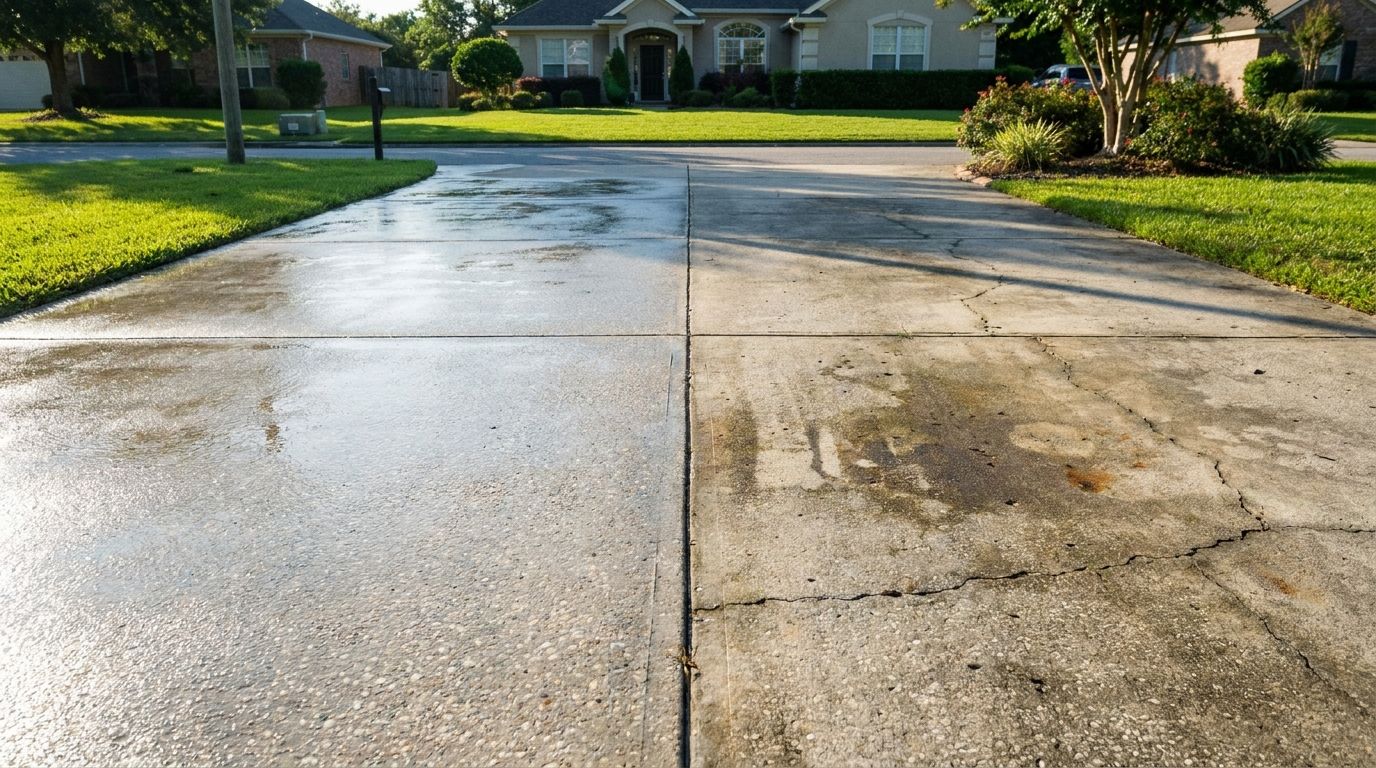
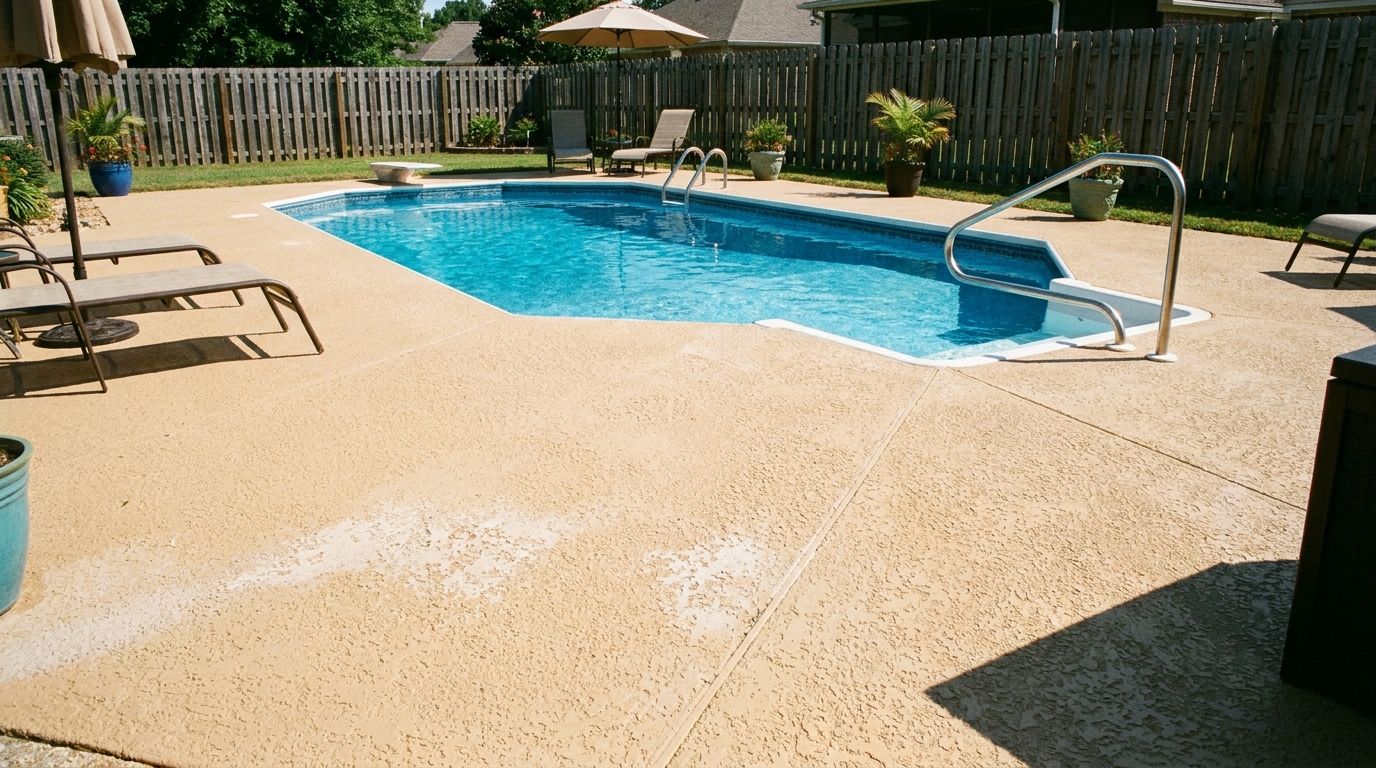
A sealer soaks into the concrete and creates a chemical barrier below the surface. It doesn't change how the driveway looks or feels. Penetrating sealers block water and deicing salt from reaching the pores where freeze-thaw damage starts.
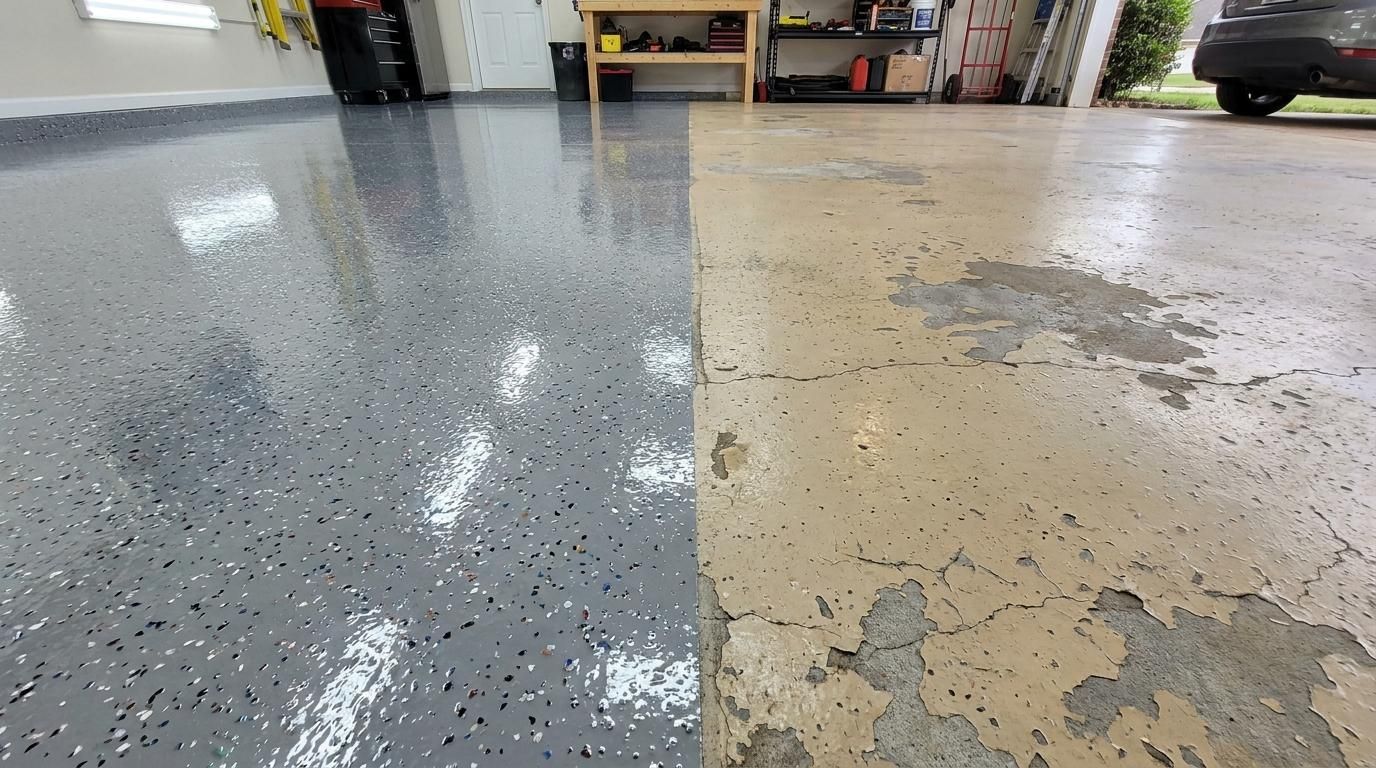
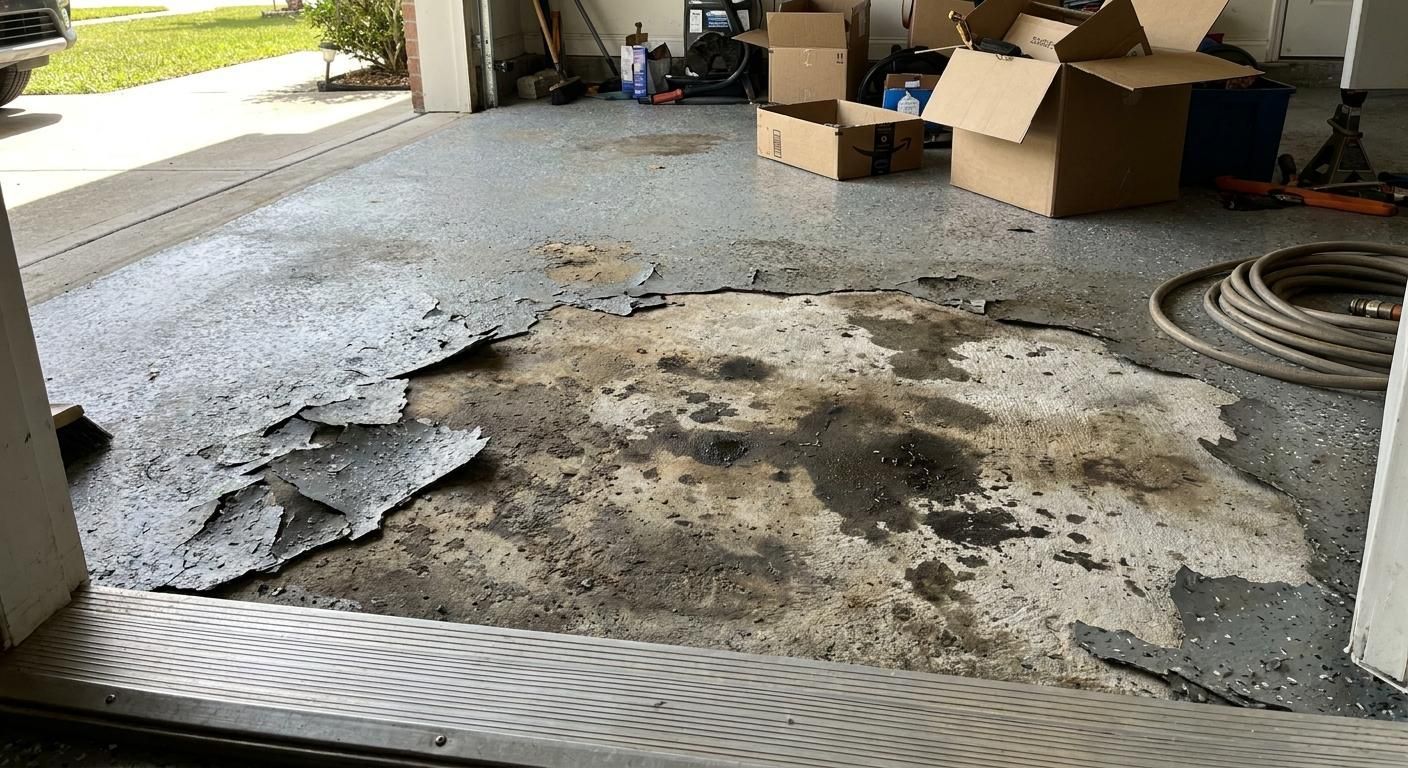
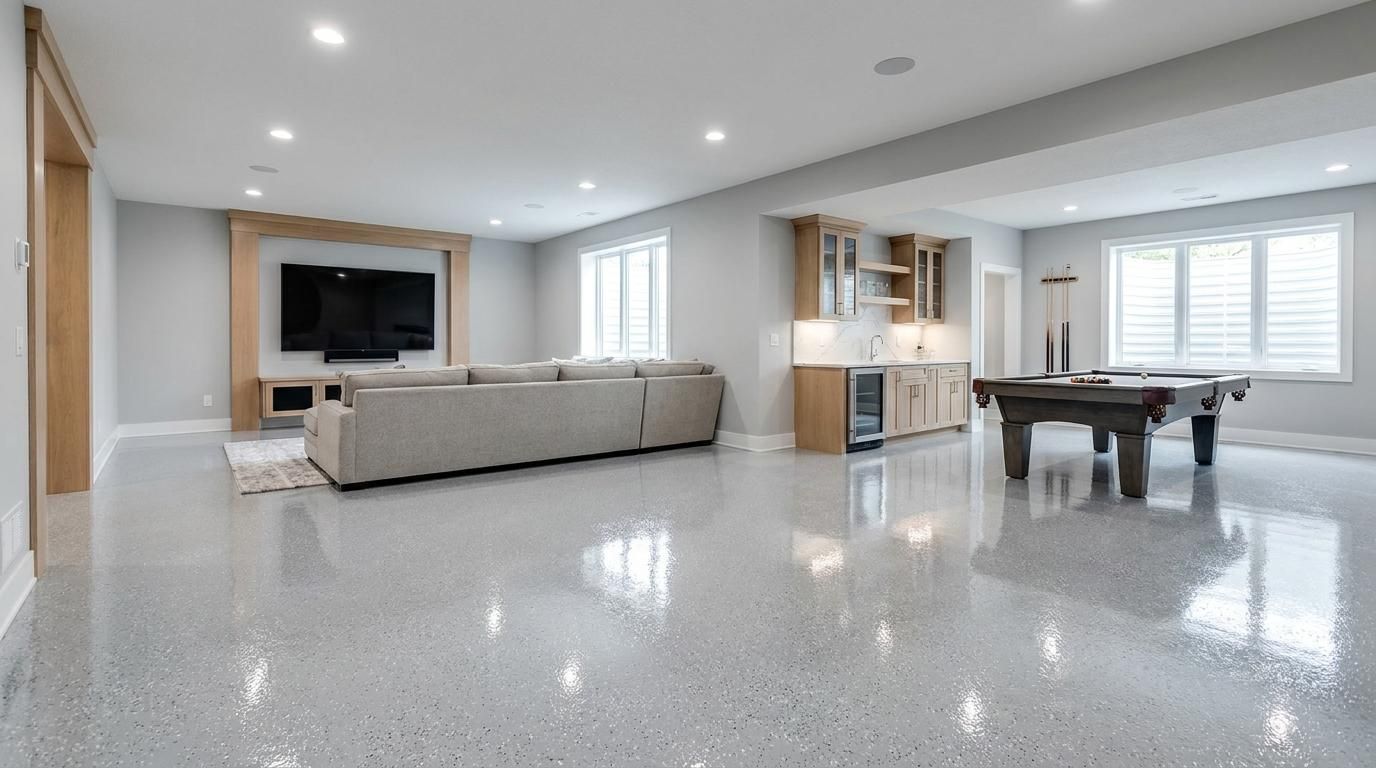
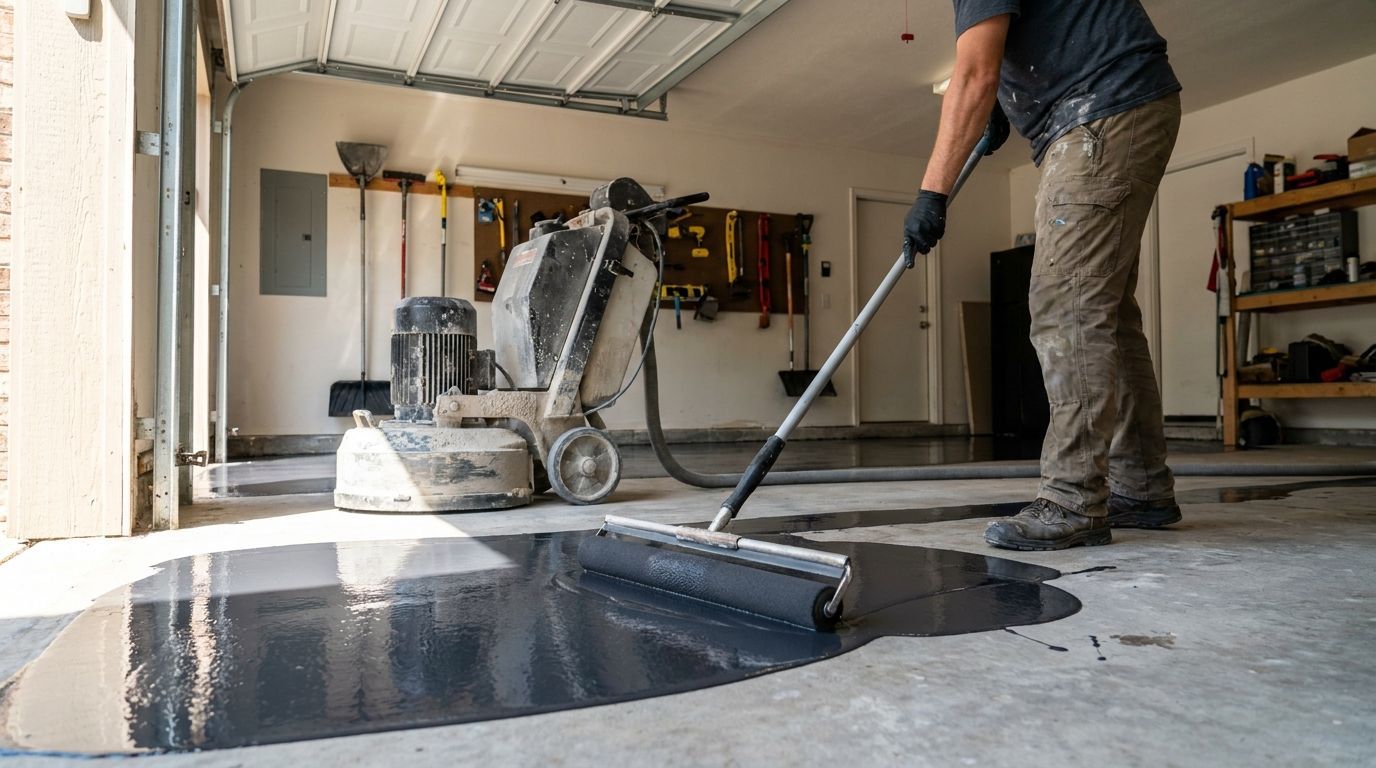
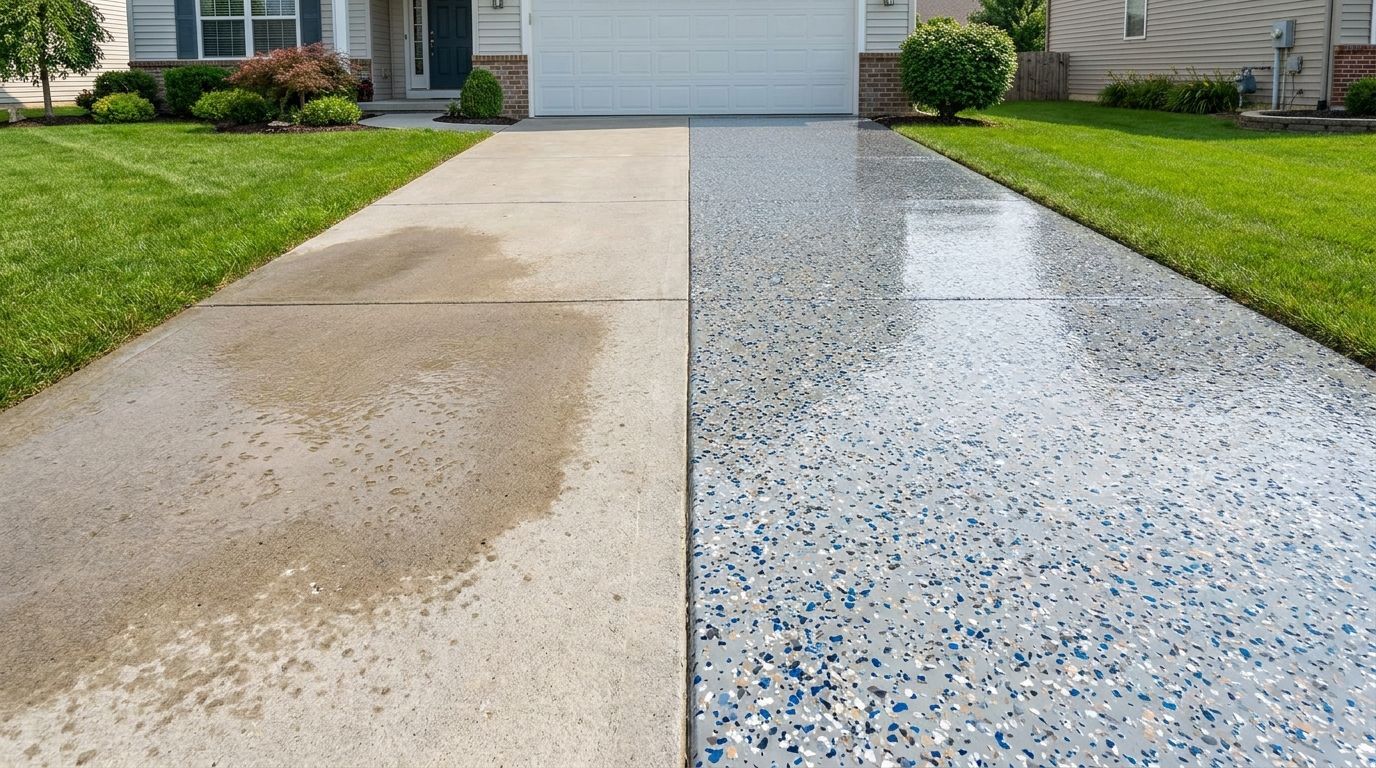
A coating forms a physical layer on top of the concrete. It bonds to the surface through grinding and chemical adhesion, and it changes the appearance: coatings add color, texture, gloss, or decorative flakes. Professional-grade polyurea and polyaspartic coatings also add structural protection against impact, abrasion, and chemical spills that sealers can't match.
Pros and Cons of Each Approach
Sealer Advantages and Drawbacks
Sealers cost less upfront and go on fast. A 500-square-foot driveway costs $75 to $750 for materials and application, and most homeowners can apply a sealer themselves in a single afternoon. The trade-off is frequency: sealers wear off in two to three years and need reapplication. They also offer no protection against impact, tire marks, or chemical stains beyond basic water repellency.
Coating Advantages and Drawbacks
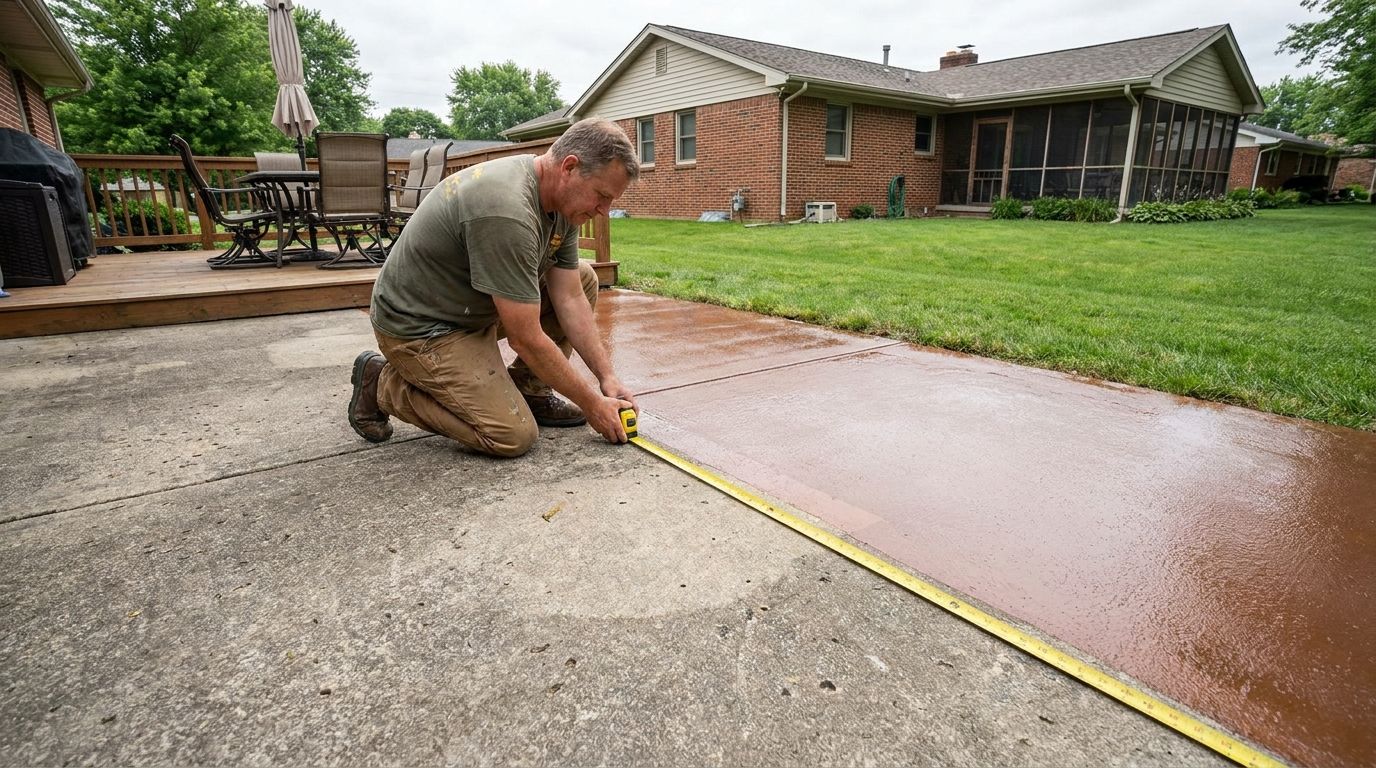
Coatings cost more upfront but last five to ten times longer. A professional polyaspartic driveway coating runs $5 to $12 per square foot installed, so a 500-square-foot driveway costs $2,500 to $6,000. Over 15 years, that's often less per year than repeated sealer applications. Coatings require professional surface preparation and equipment, so DIY isn't practical for this option.
Which One Fits Your Driveway
If your driveway is in good shape and you want basic freeze-thaw and salt protection at the lowest cost, a penetrating sealer handles that job well. Reapply every two to three years and the concrete stays protected. If you want a driveway that resists everything from oil stains to tire marks, looks finished rather than bare, and is backed by a 15-year warranty and requires no reapplication, a professional concrete coating is the better investment.
In Bella Vista, Bentonville, and across Northwest Arkansas, the combination of summer heat, winter freezes, and heavy rain makes long-term surface protection more valuable than in milder climates. A coating that flexes with concrete movement and blocks UV damage pays for itself faster here than in regions without those seasonal extremes.
Frequently Asked Questions
How often does a concrete driveway sealer need to be reapplied?
Most penetrating concrete sealers last two to three years before they wear through and need a fresh application. High-traffic driveways and areas with heavy freeze-thaw exposure may need resealing closer to every 18 months. Each application runs $0.15 to $1.50 per square foot for materials.
Can you apply a coating over a previously sealed driveway?
Yes, but the old sealer must be fully removed first. Sealers leave a residue that prevents coatings from bonding to the concrete. Professional diamond grinding removes the sealer and opens the concrete pores for proper adhesion. 12 Point Concrete Coatings handles this preparation as part of every residential driveway project.
Does a driveway coating make the surface slippery when wet?
Not when installed properly. Professional polyurea and polyaspartic systems include a textured flake broadcast step that creates built-in slip resistance. The finished surface provides safe traction in rain, frost, and dew without sacrificing the smooth, finished appearance of the coating.
Make the Smart Move for Your Driveway
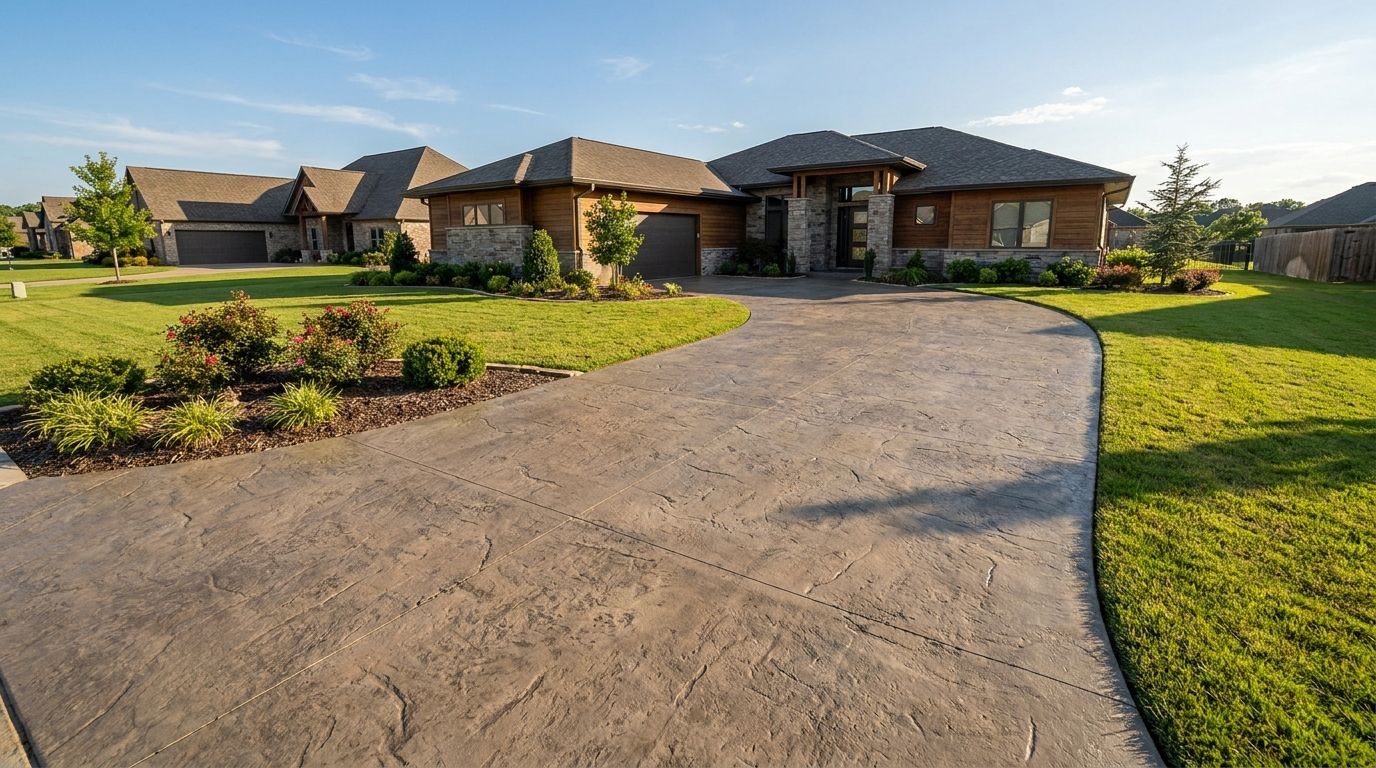
Sealers protect affordably in the short term. Coatings protect comprehensively for the long haul. The right choice depends on whether you want to maintain your driveway every two years or invest once and enjoy the benefits for a decade or more.
Contact 12 Point Concrete Coatings online or (479) 789-0812 to discuss which option fits your home and get a free driveway estimate.