Commercial Epoxy Floors vs. Polished Concrete: Cost, Pros, Cons & Other Alternatives
Epoxy vs polished concrete for commercial floors comes down to cost, chemical resistance, and maintenance demands. Epoxy costs $5 to $13 per square foot, lasts 5 to 15 years in commercial environments depending on traffic, and offers strong chemical resistance. Polished concrete costs $3 to $12 per square foot, lasts 20 or more years, and requires less maintenance. 12 Point Concrete Coatings serves Northwest Arkansas businesses with a third option that combines the strengths of both.
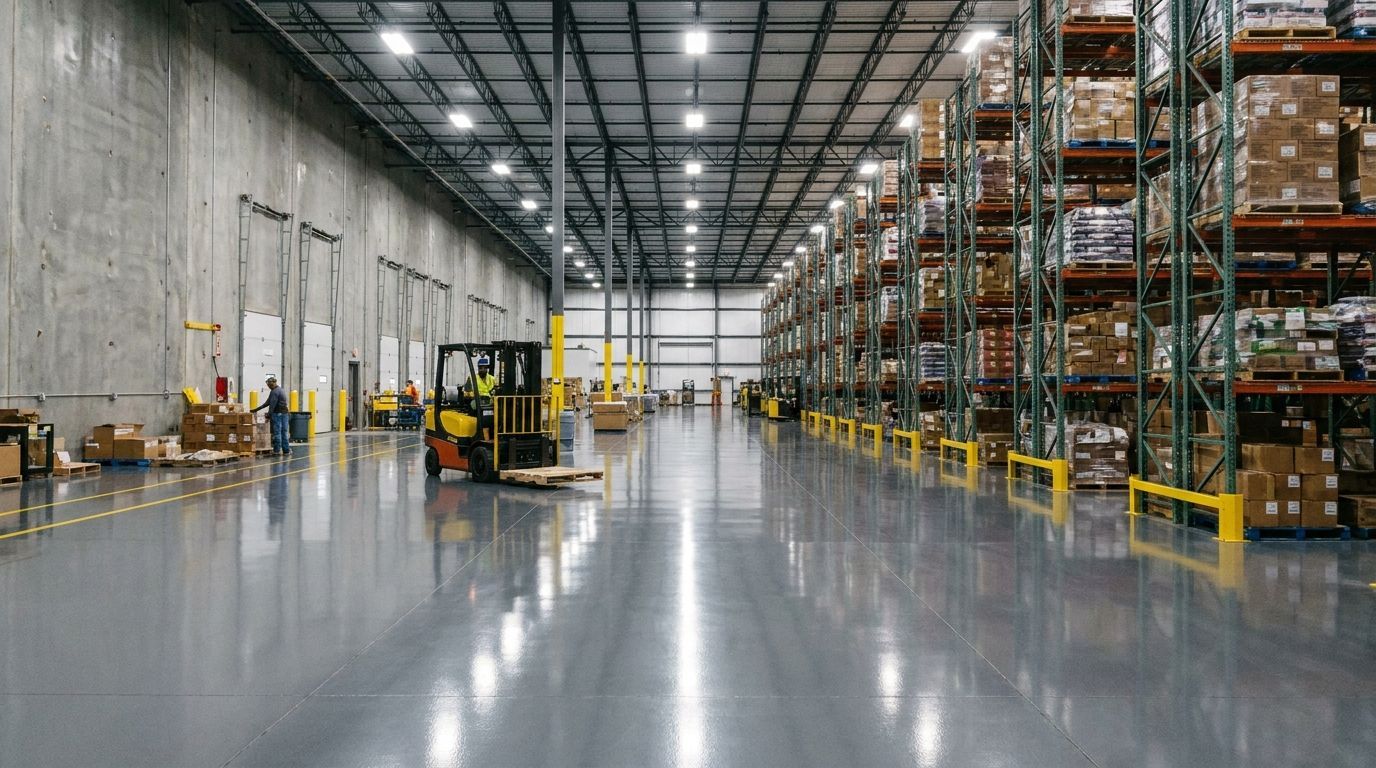
Most business owners frame this decision as epoxy versus polished concrete. The real question is what your floor actually needs to survive. A warehouse dealing with forklift traffic and chemical spills has different demands than a retail showroom that needs to look polished under foot traffic. Once you match the flooring to the job, the answer becomes much clearer.
Cost Comparison for Commercial Spaces
As you compare commercial epoxy to polished concrete, understanding the installed cost is the essential first step.
Epoxy Floor Pricing
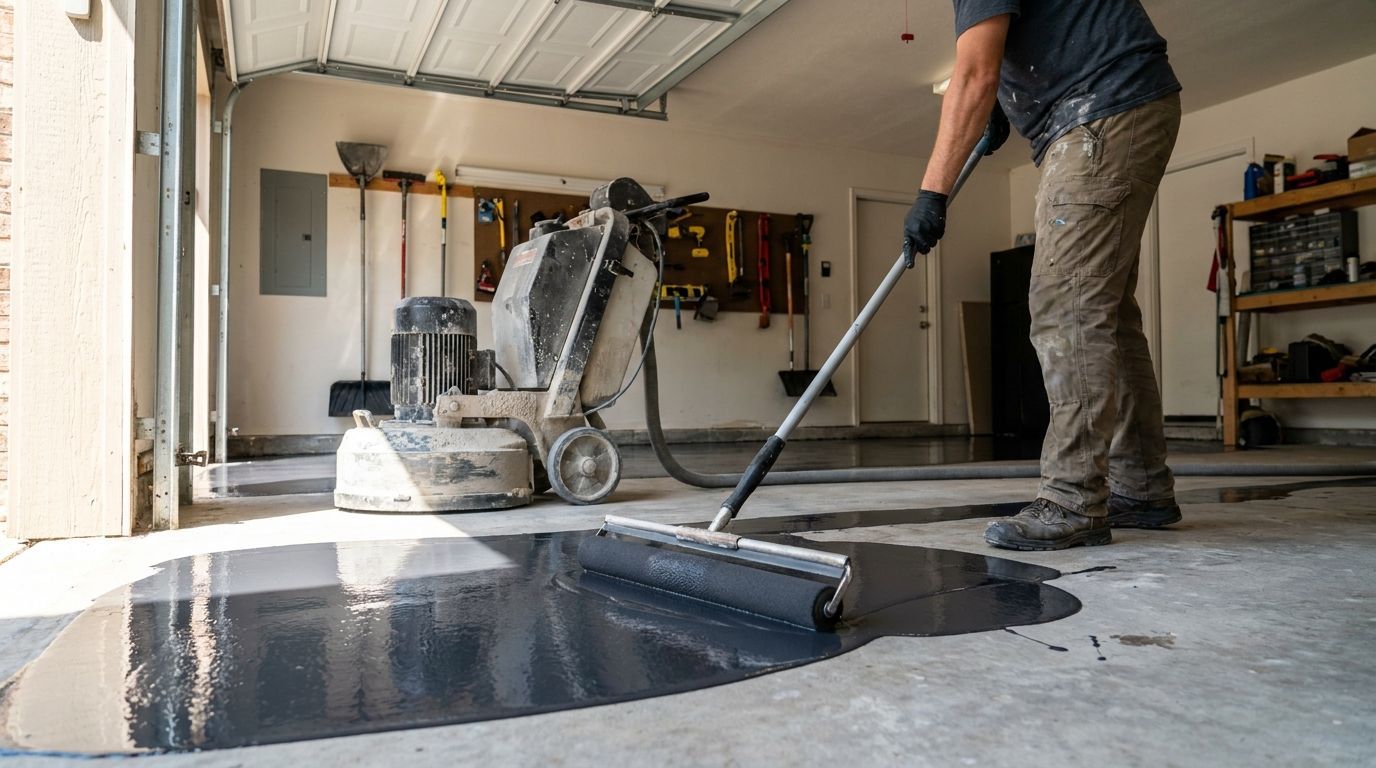
Epoxy flooring runs $5 to $13 per square foot installed for commercial applications. The range depends on coating thickness, surface condition, and whether decorative elements like color flakes or line striping are included. A 5,000-square-foot warehouse floor costs roughly $25,000 to $65,000 for a professional epoxy system.
Polished Concrete Pricing
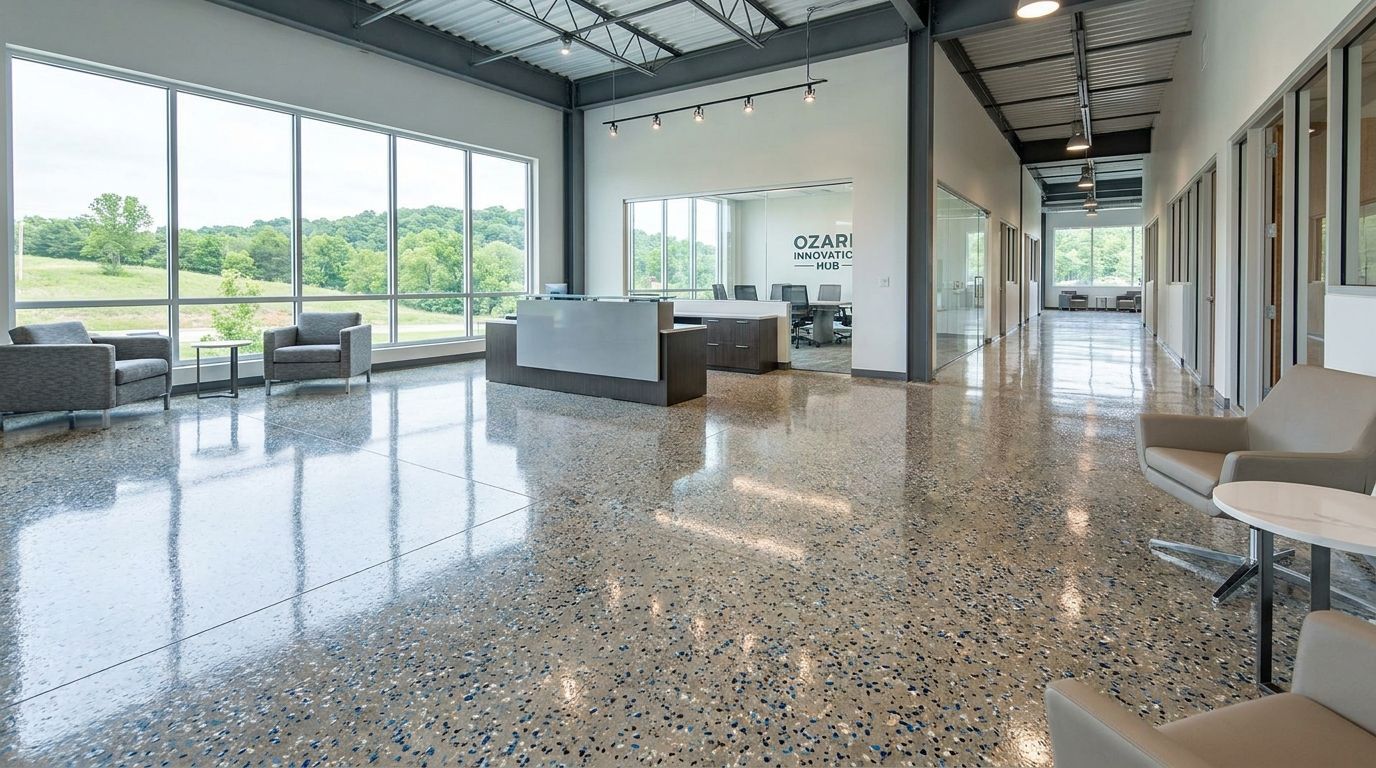
Polished concrete runs $3 to $12 per square foot, with most commercial projects landing between $5 and $8. The process involves grinding the existing slab to progressively finer grits and applying a chemical densifier. No new material is added to the surface, which keeps material costs lower. Installation takes three to five days for a commercial space, compared to one to three days for epoxy.
Durability and Maintenance Side by Side
Where Epoxy Wins
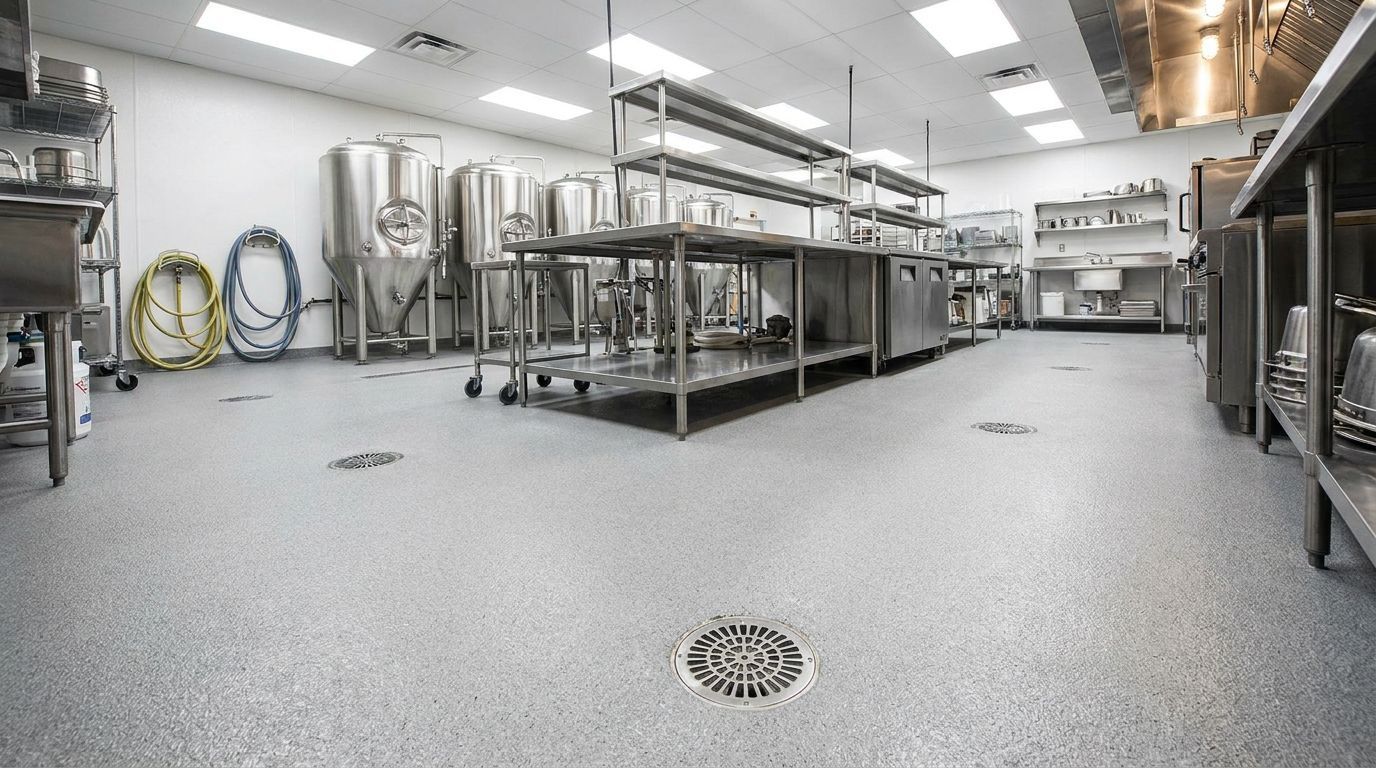
Epoxy excels in environments with chemical exposure. Warehouses storing solvents, automotive shops with oil and brake fluid, and commercial kitchens and breweries benefit from epoxy's seamless, non-porous surface that resists acids and grease. Epoxy is also more customizable: safety line striping, color zones, and anti-static formulations are all available.
Where Polished Concrete Wins
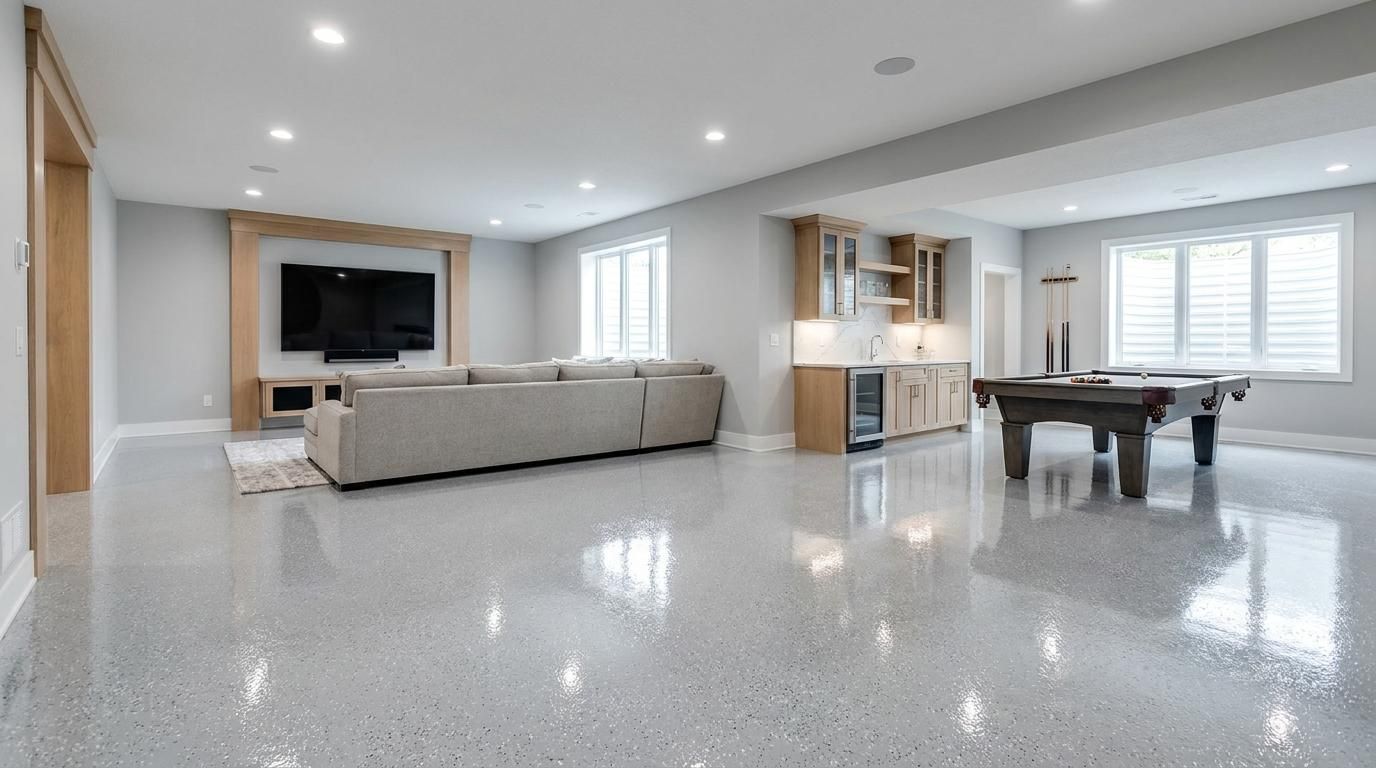
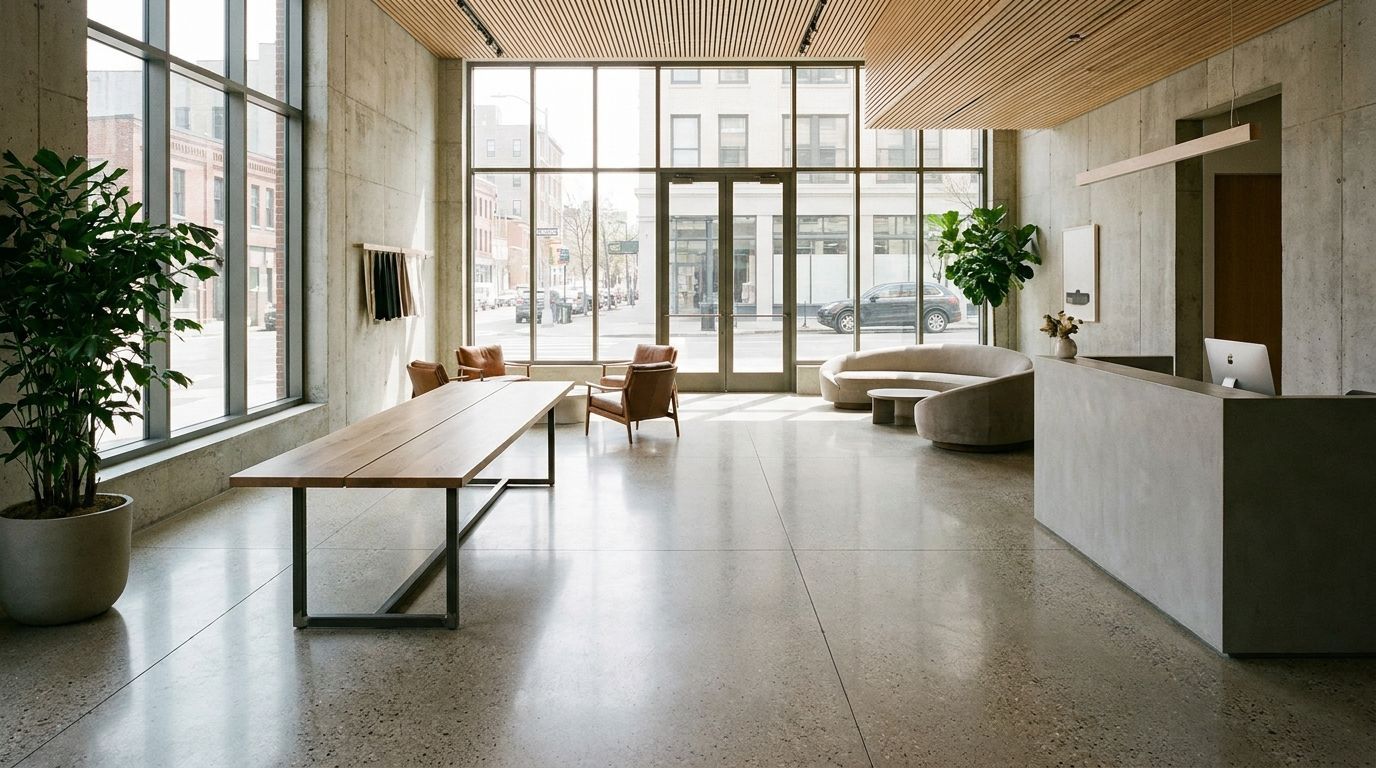
Polished concrete requires less ongoing maintenance. Regular dust mopping and occasional wet mopping keep it looking sharp for 20 or more years without recoating. When properly sealed, polished concrete handles foot traffic, minor spills, and most household chemicals well in retail and office settings. Heavy industrial chemical exposure is where epoxy's seamless, non-porous surface delivers significantly better protection. The natural, modern aesthetic appeals to businesses that want a clean look without a glossy coating appearance.
12 Point Concrete Coatings does not install polished concrete. The process requires specialized diamond grinding equipment and densifier expertise that polished concrete contractors specialize in. Businesses interested in polished concrete should look for installers focused on that system specifically.
Why Polyaspartic Is the Third Option Worth Considering
Polyaspartic and polyurea coatings combine the chemical resistance of epoxy with the low maintenance of polished concrete. Commercial installations typically cost $6 to $12 per square foot, comparable to mid-range epoxy but with longer service life and faster installation. They cure in hours instead of days, minimizing business downtime during installation.
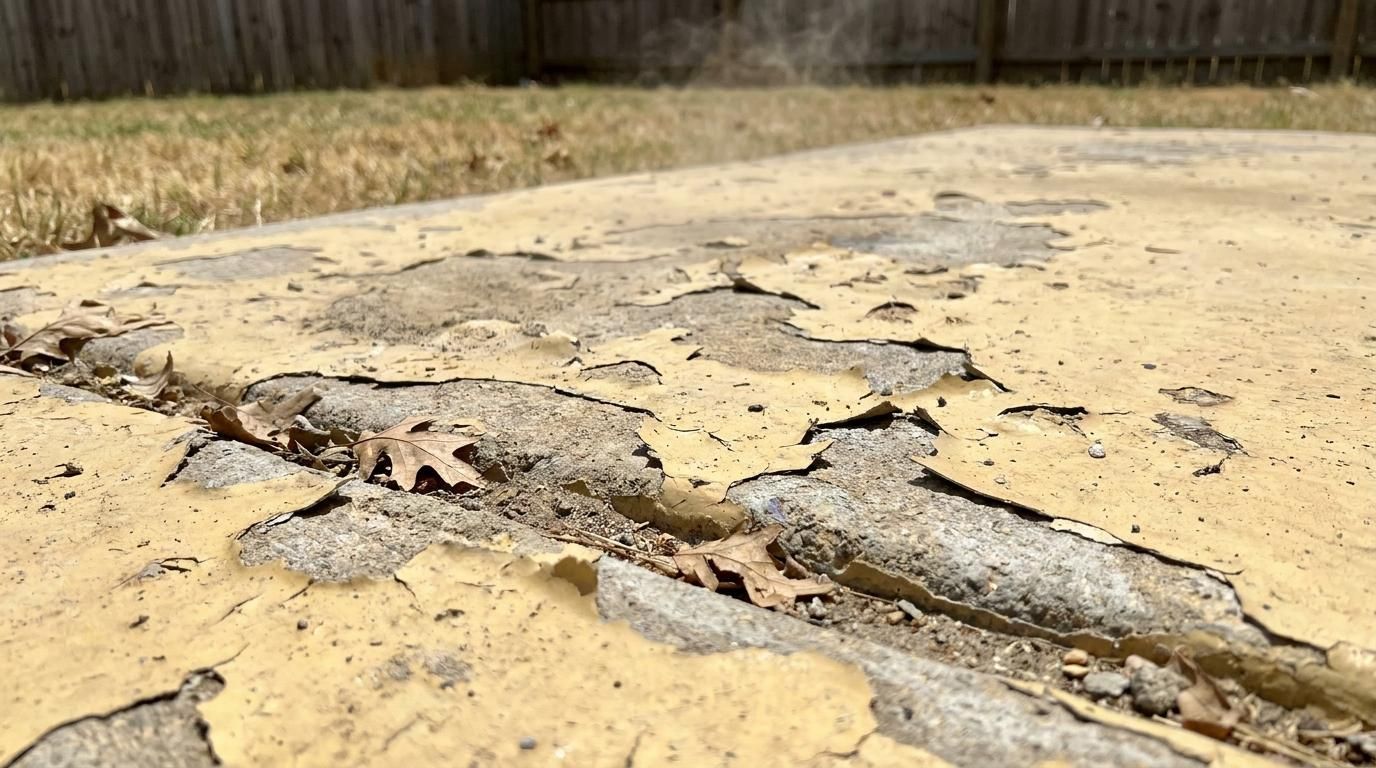
UV stability means the finish won't yellow in spaces with natural light or loading dock exposure. 12 Point Concrete Coatings installs Valence Protective Coatings systems for commercial clients across Northwest Arkansas, including warehouses, retail spaces, and food service facilities.
The system is 4x stronger than epoxy and backed by a 15-year warranty. For businesses in Rogers, Bentonville, and the surrounding NWA area, polyaspartic handles the same chemical and impact demands as epoxy while delivering the longevity and low maintenance closer to polished concrete.
Frequently Asked Questions
Which commercial flooring option has the lowest long-term cost?
Polished concrete and polyaspartic coatings both offer lower long-term costs than epoxy because they need less frequent recoating. Polished concrete lasts 20-plus years with minimal maintenance. Polyaspartic systems carry manufacturer ratings of 15 to 20 years and add chemical resistance that polished concrete lacks, making them the best value for high-demand commercial environments.
Can a commercial floor be converted from epoxy to polished concrete?
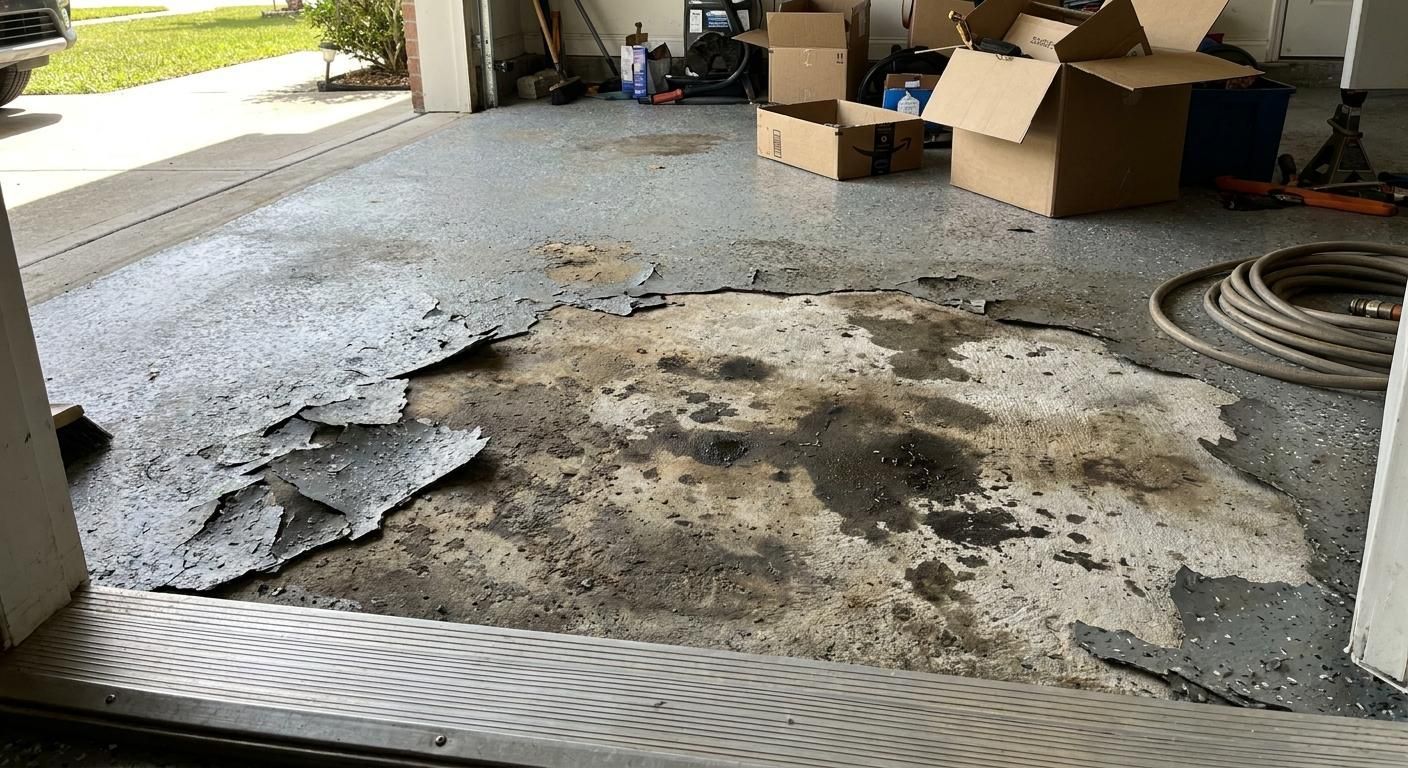
Generally no. Polished concrete requires a clean, uncoated slab ground to specific grit levels. Removing an existing epoxy coating and then polishing the concrete underneath is possible but expensive and time-consuming. Recoating with polyaspartic over a properly stripped slab is typically more practical and cost-effective.
How much downtime should a business expect during floor installation?
Epoxy installations take one to three days plus two to five days of cure time before full use. Polished concrete takes three to five days. Polyaspartic systems from 12 Point Concrete Coatings typically finish in one to two days with foot traffic allowed after 24 hours and full operational use after 48.
Pick the Floor That Matches Your Operation
Epoxy handles heavy chemical and impact demands. Polished concrete delivers a low-maintenance, modern look for lighter-duty spaces. Polyaspartic combines the chemical resistance of epoxy with the low maintenance of polished concrete, plus faster installation, UV stability, and a 15-year warranty. The right choice depends on what your floor faces every day.
If polyaspartic is the right fit for your facility, contact 12 Point Concrete Coatings for a free commercial estimate or (479) 789-0812 . We'll inspect the slab, walk through the system specifications, and give you an honest answer on whether polyaspartic suits your operation.