Polyurea vs. Polyaspartic Coatings: Key Differences & Applications
Polyurea vs polyaspartic coatings differ in cure speed, flexibility, and application. Polyurea forms a flexible, impact-resistant base layer that bonds directly to concrete, while polyaspartic provides the UV-stable, stain-resistant topcoat that protects the finished surface. 12 Point Concrete Coatings uses both materials in a layered system across Northwest Arkansas residential and commercial projects.
Most homeowners land on one of two names when researching floor coatings: polyurea or polyaspartic. Both outperform epoxy, both cure fast, and both resist UV damage. The real difference shows up when a certified installer layers them together in a single system designed to handle the demands of each surface.
What Polyurea Does as a Base Coat
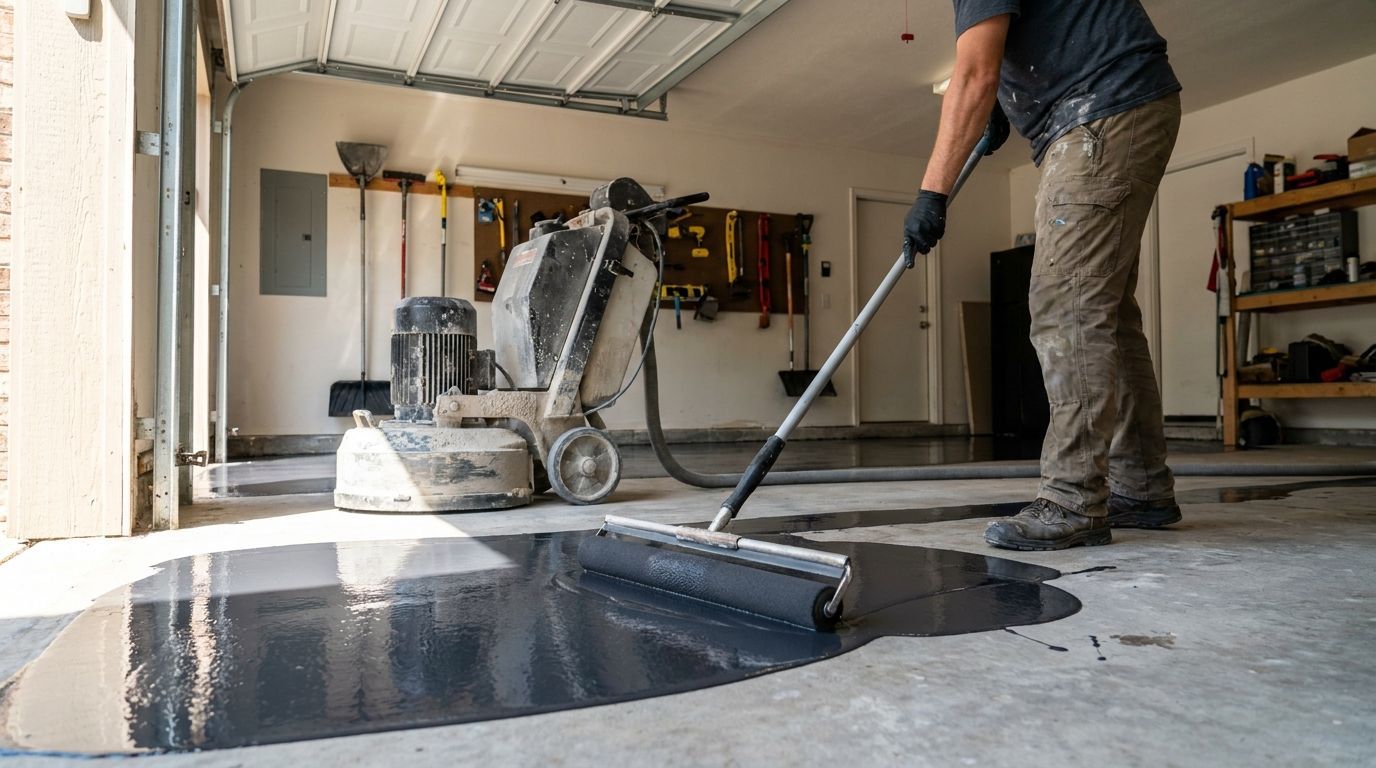
Polyurea is the structural foundation of a professional coating system. It bonds directly to prepared concrete through a chemical reaction that cures in minutes rather than days.
Flexibility That Handles Arkansas Weather
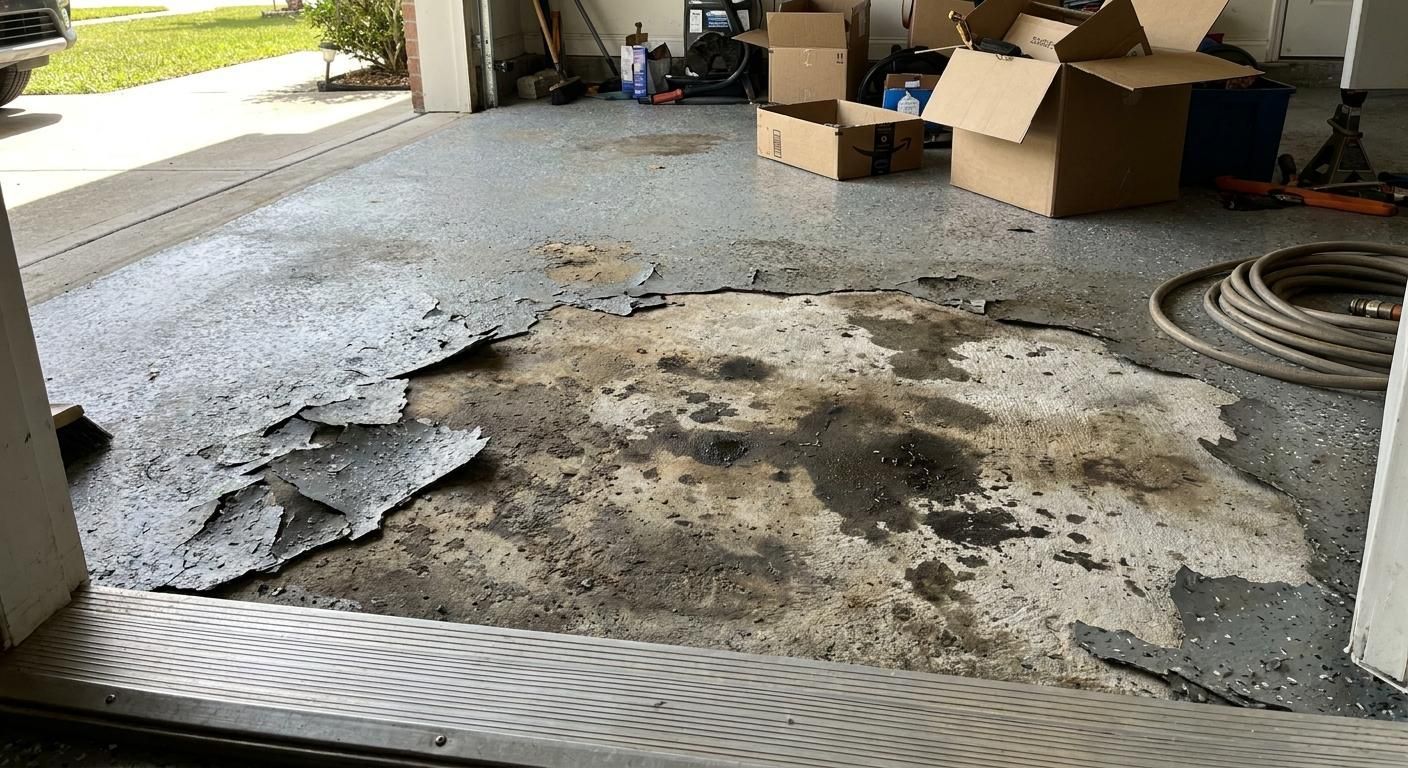
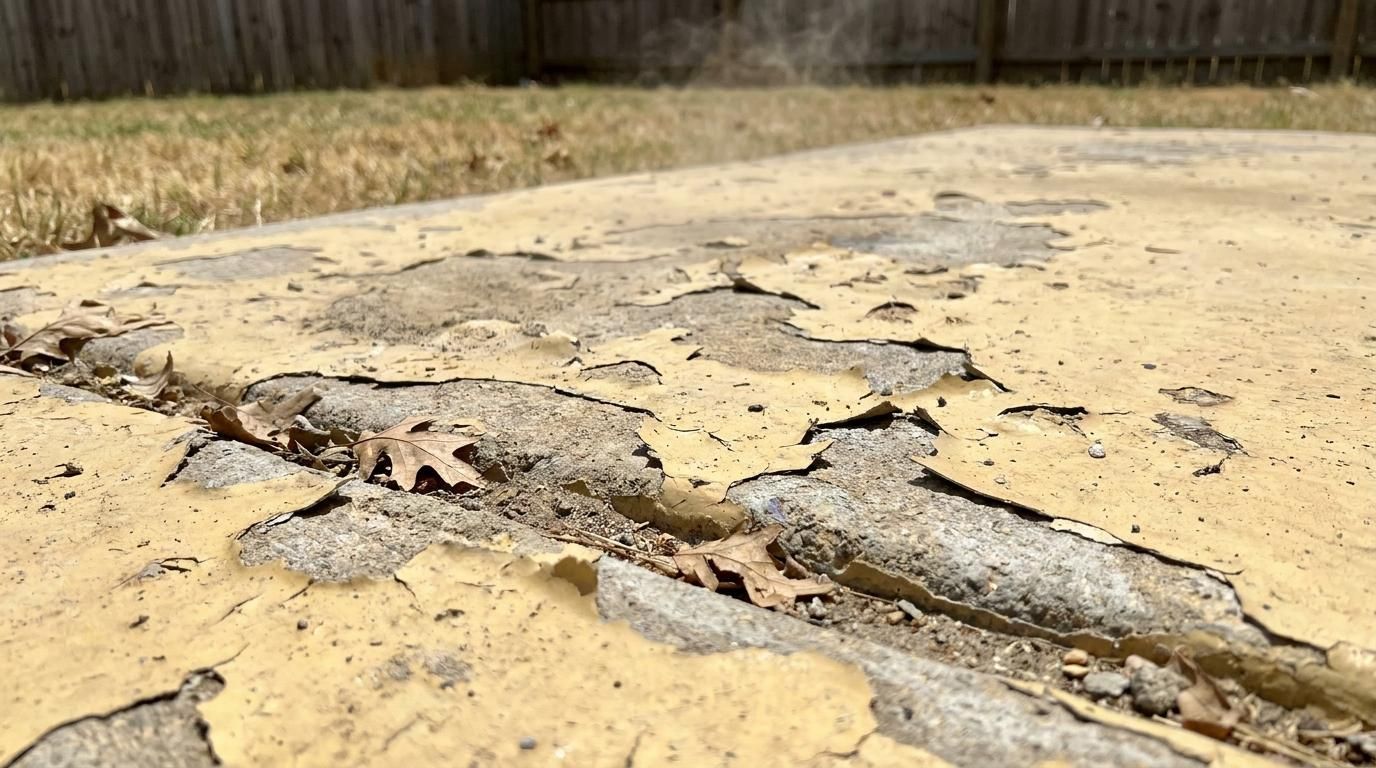
Polyurea stretches and compresses as concrete expands and contracts with temperature swings. In Northwest Arkansas, where summer highs regularly exceed 95°F and winter lows drop below 20°F, that flexibility prevents the cracking and peeling that rigid epoxy coatings develop after just a few seasons.
The base coat also seals concrete against moisture migrating upward through the slab. Across Bentonville, Rogers, and Fayetteville, seasonal rain and summer humidity keep ground moisture levels elevated for months at a time. Without a flexible, moisture-blocking layer underneath, water vapor pushes coatings off the surface from below. Professional polyurea base coats are backed by a 15-year warranty when installed over properly ground concrete.
What Polyaspartic Does as a Top Coat
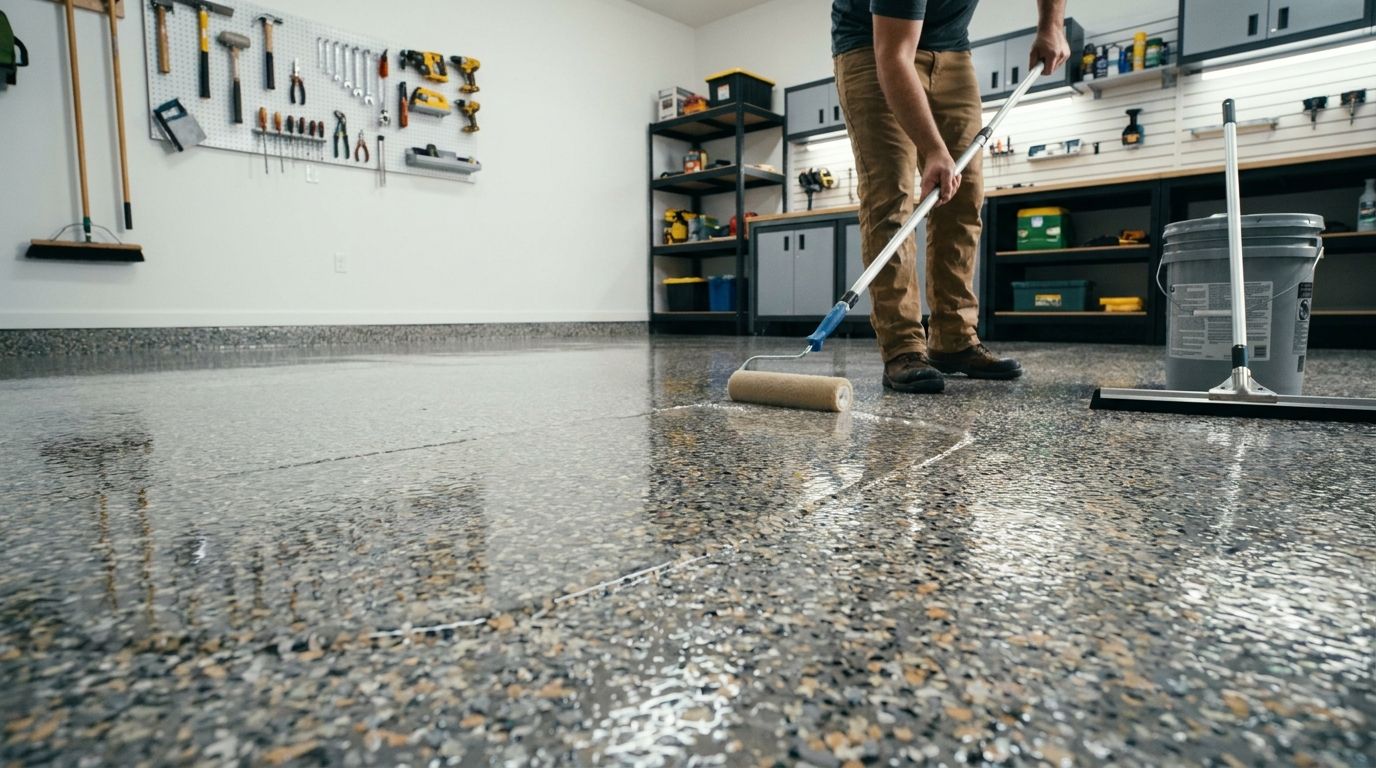
Polyaspartic goes on top of the cured polyurea layer and handles everything the surface faces daily: UV rays, tire traffic, chemical spills, and foot wear.
UV Stability and Stain Resistance
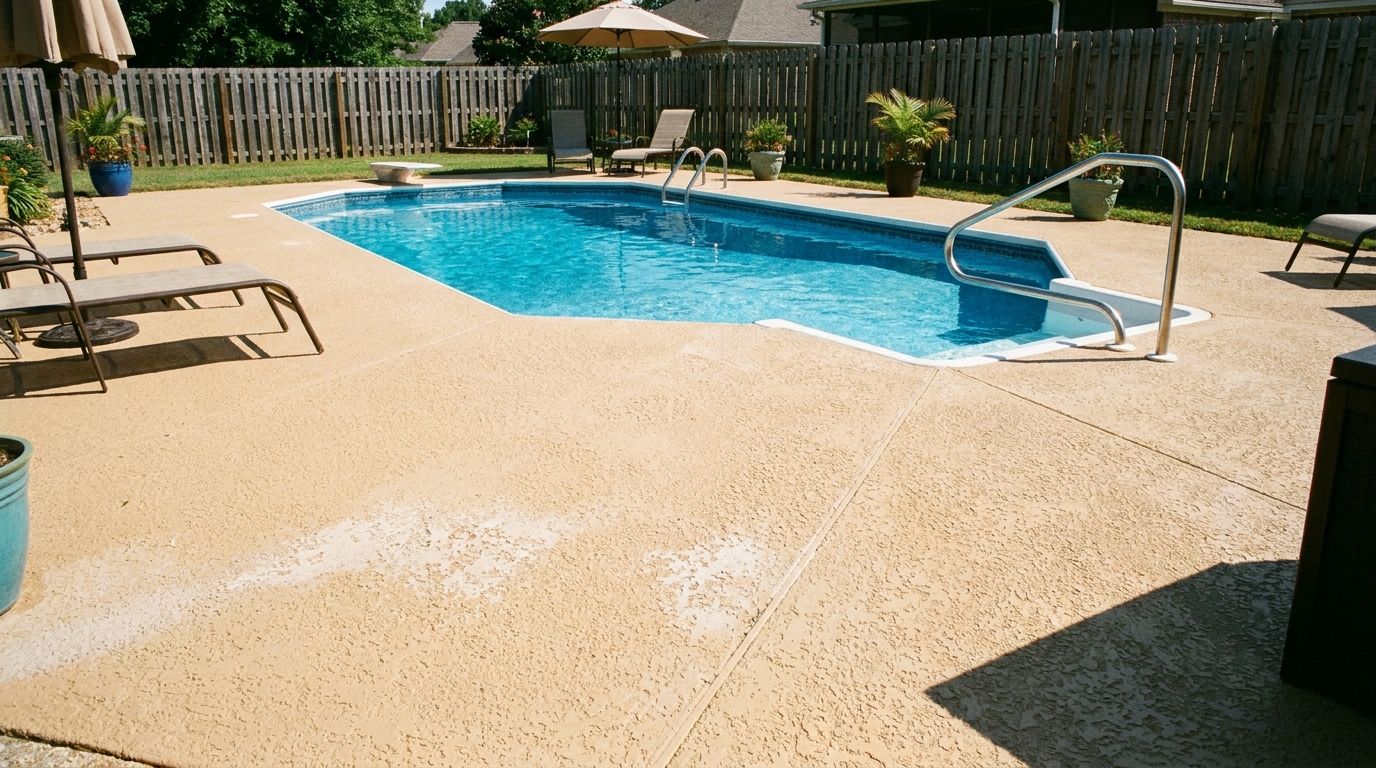
Unlike epoxy top coats, polyaspartic won't yellow or fade in direct sunlight. That makes it essential for patios, pool decks, and driveways that take full Arkansas sun throughout the year. Valence Protective Coatings backs this performance with a lifetime no-yellow warranty when installed by a certified team like 12 Point Concrete Coatings.
The polyaspartic layer also resists oil, road salt, and household chemicals without staining or softening. It cures in two to four hours, which is how most residential projects finish in a single day. Homeowners walk on the surface within 24 hours and park vehicles after 48. That fast turnaround matters when you're coating a garage floor you need back in service by the weekend.
How the Combined System Outperforms Either Alone
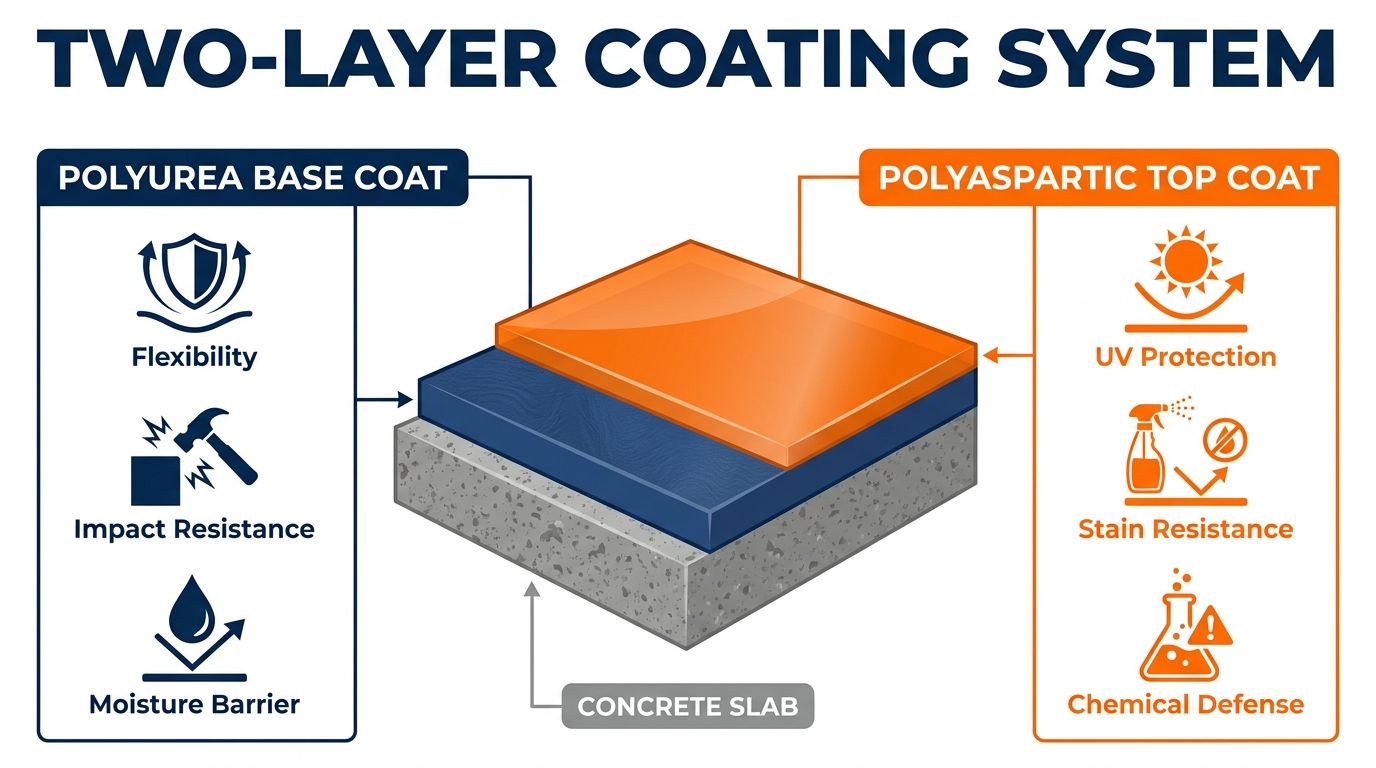
Neither polyurea nor polyaspartic delivers full performance on its own. The combined system assigns each layer a specific job: polyurea absorbs impact and movement below the surface, polyaspartic seals and protects above.
Why the Layered Approach Matters
A polyurea-only floor lacks the UV protection and stain resistance a surface needs in outdoor or high-traffic settings. A polyaspartic-only floor bonds less deeply to the concrete and can't block moisture pressure rising from below the slab. 12 Point Concrete Coatings installs Valence Protective Coatings products in this two-layer configuration on every residential project across Northwest Arkansas. The finished system is 4x stronger than epoxy and backed by a 15-year warranty against chipping, peeling, and delamination.
For homeowners comparing the longevity of polyurea floor coating with other options, the layered approach extends service life well beyond what either material achieves alone.
Frequently Asked Questions
Can polyurea or polyaspartic be applied over existing epoxy?
Yes, but only after the old coating is fully removed through professional diamond grinding. Applying over intact epoxy traps moisture and weakens the bond. 12 Point Concrete Coatings grinds every surface down to bare concrete before applying the base coat to ensure the system adheres properly and the warranty stays valid.
How long does the polyurea and polyaspartic system take to install?
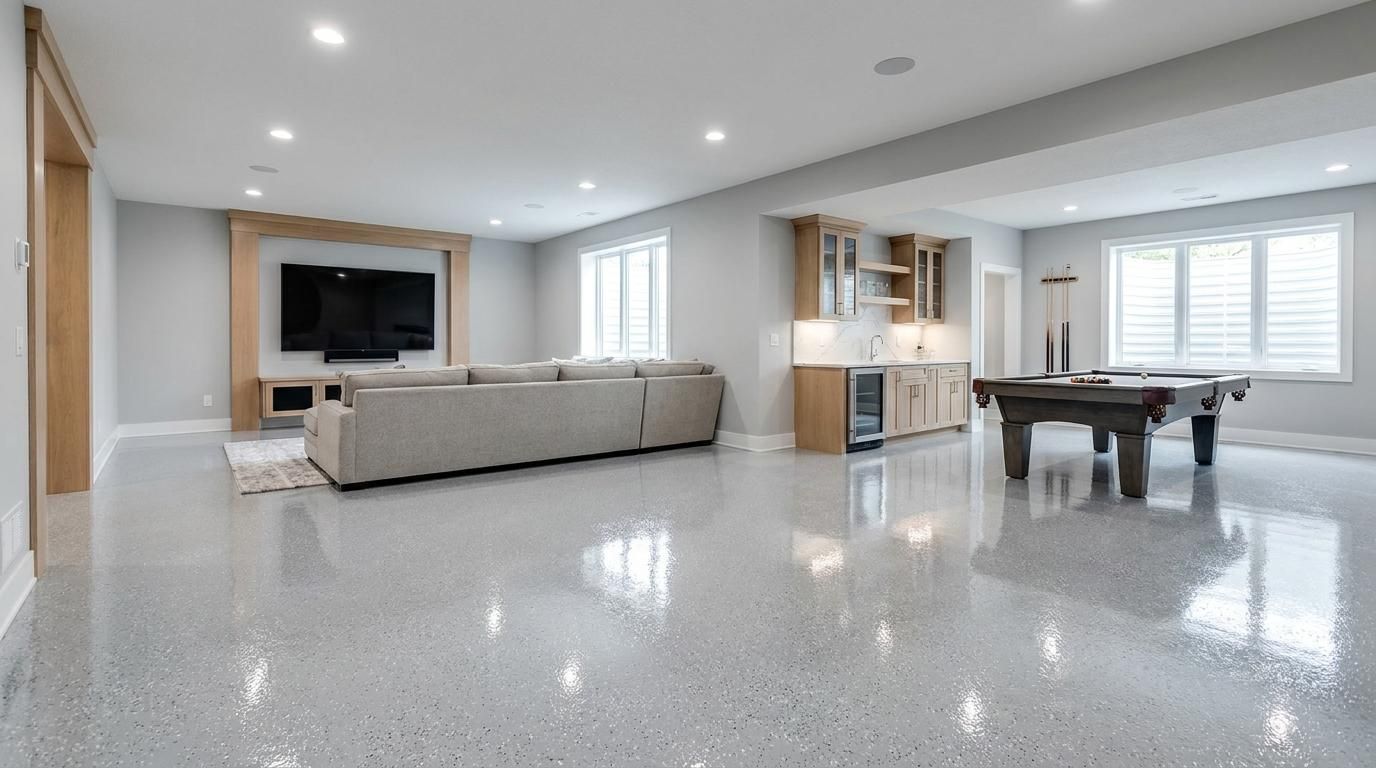
Most residential floors are finished in a single day. The polyurea base coat cures within minutes, decorative flakes are broadcast by hand and smoothed, and the polyaspartic top coat locks everything in place within hours. Homeowners typically walk on the floor after 24 hours and bring vehicles back at 48 hours.
Does the coating work on outdoor surfaces like patios and pool decks?
Polyaspartic's UV stability and polyurea's flexibility make the system ideal for outdoor concrete in Arkansas. The top coat resists fading from direct sun, while the base coat handles thermal expansion through hot summers and cold winters. Slip-resistant texture is added during the flake broadcast step for pool decks and other wet-traffic areas.
Polyurea + Polyaspartic: Get the Best of Both Worlds
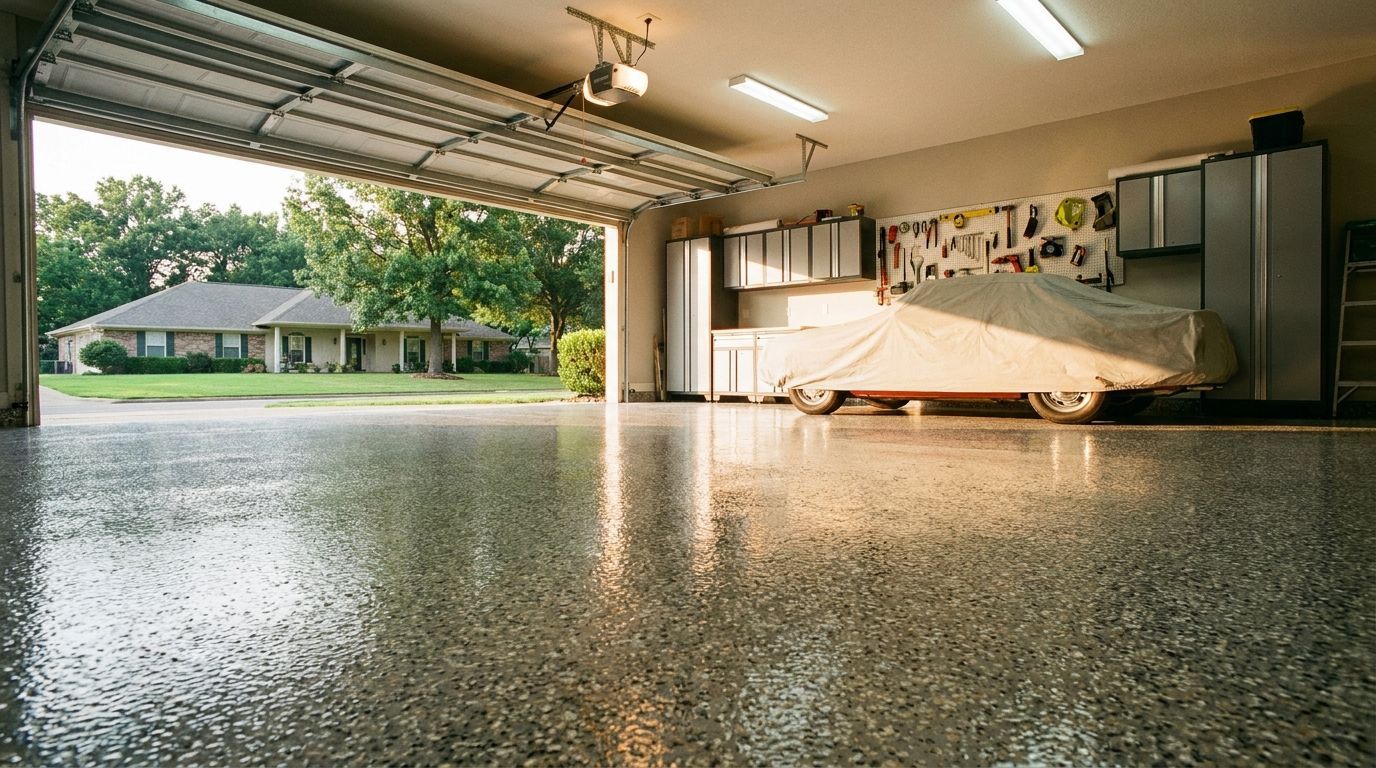
Polyurea handles the structure. Polyaspartic handles the surface. Together, they give Northwest Arkansas homeowners and business owners a floor built to hold up against heat, freezes, moisture, and daily wear backed by a 15-year warranty.
Contact 12 Point Concrete Coatings for a free quote or (479) 789-0812 to schedule a consultation.