6 Garage Floor Coating Maintenance Tips to Keep Your Floors Looking Brand New
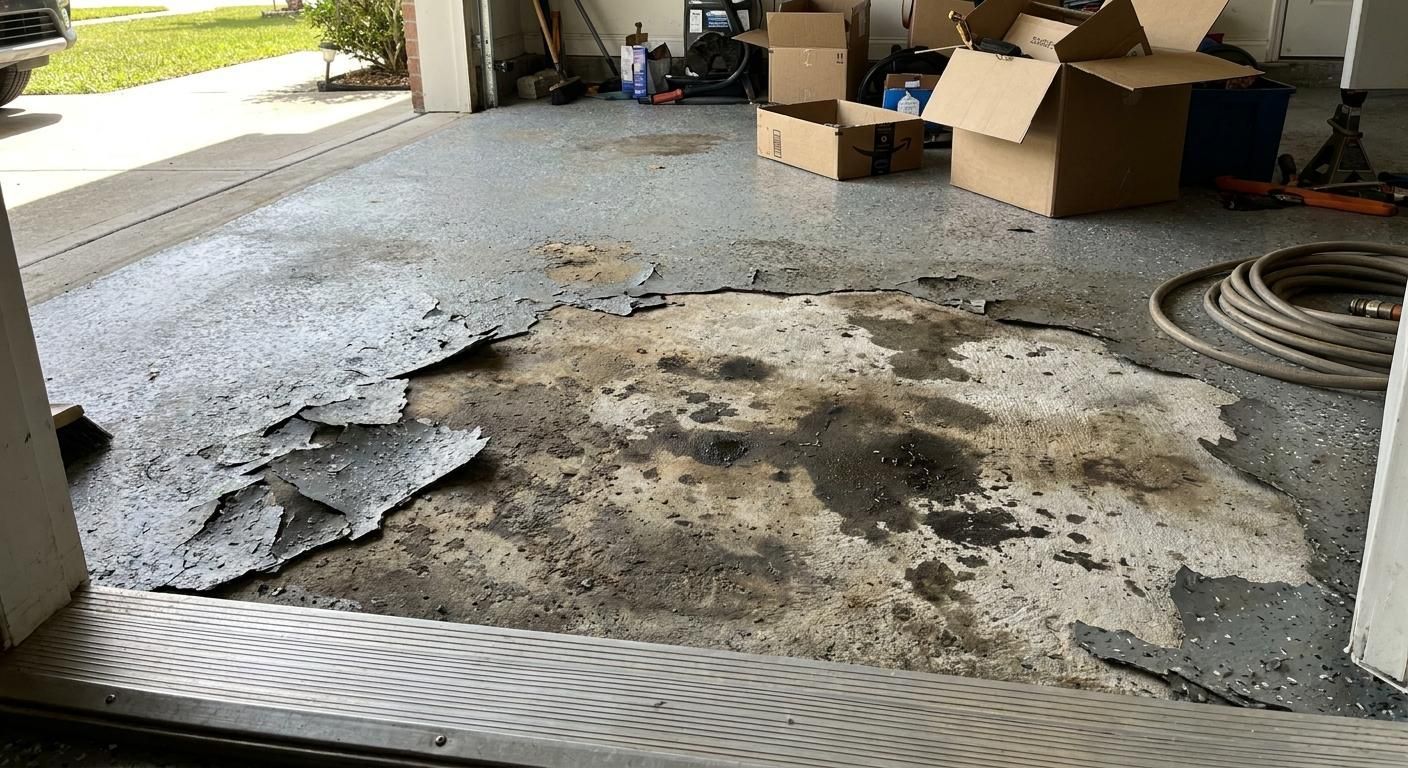
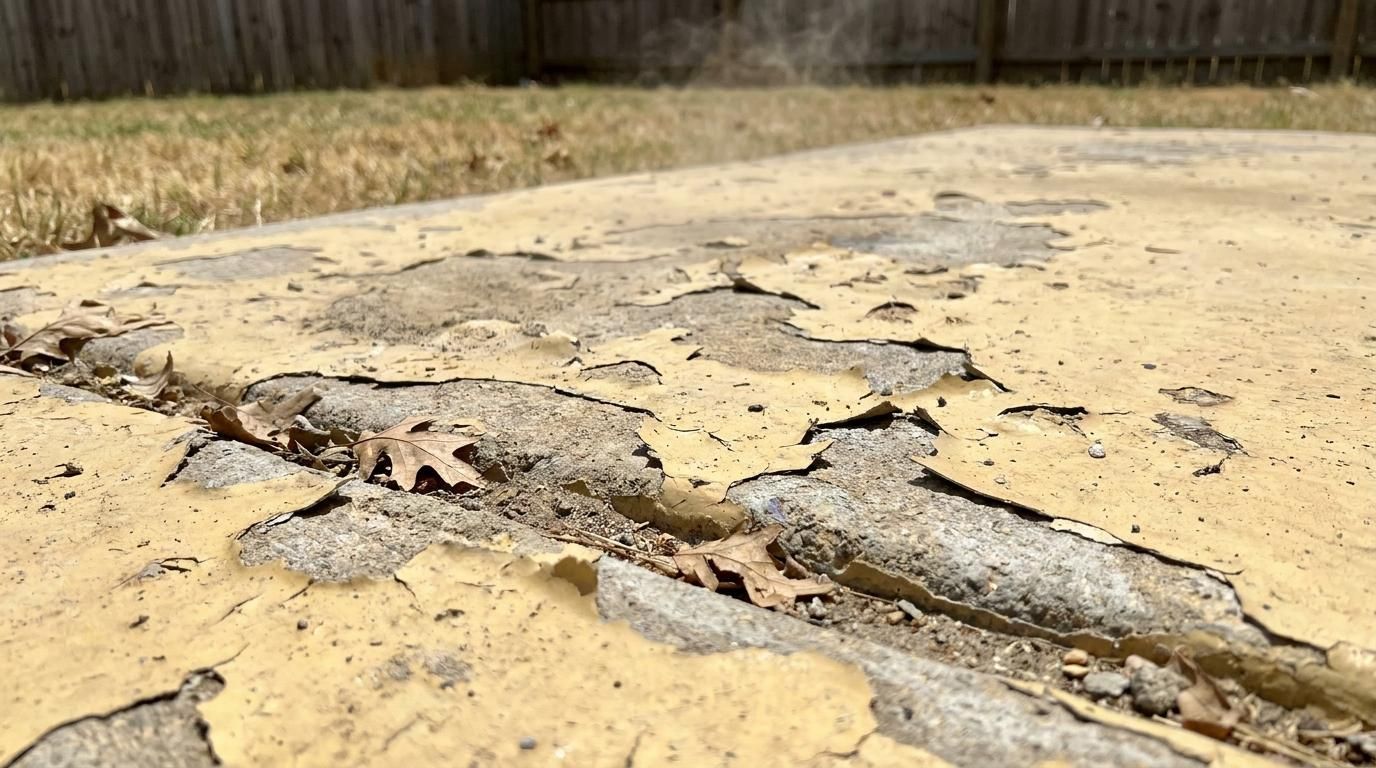
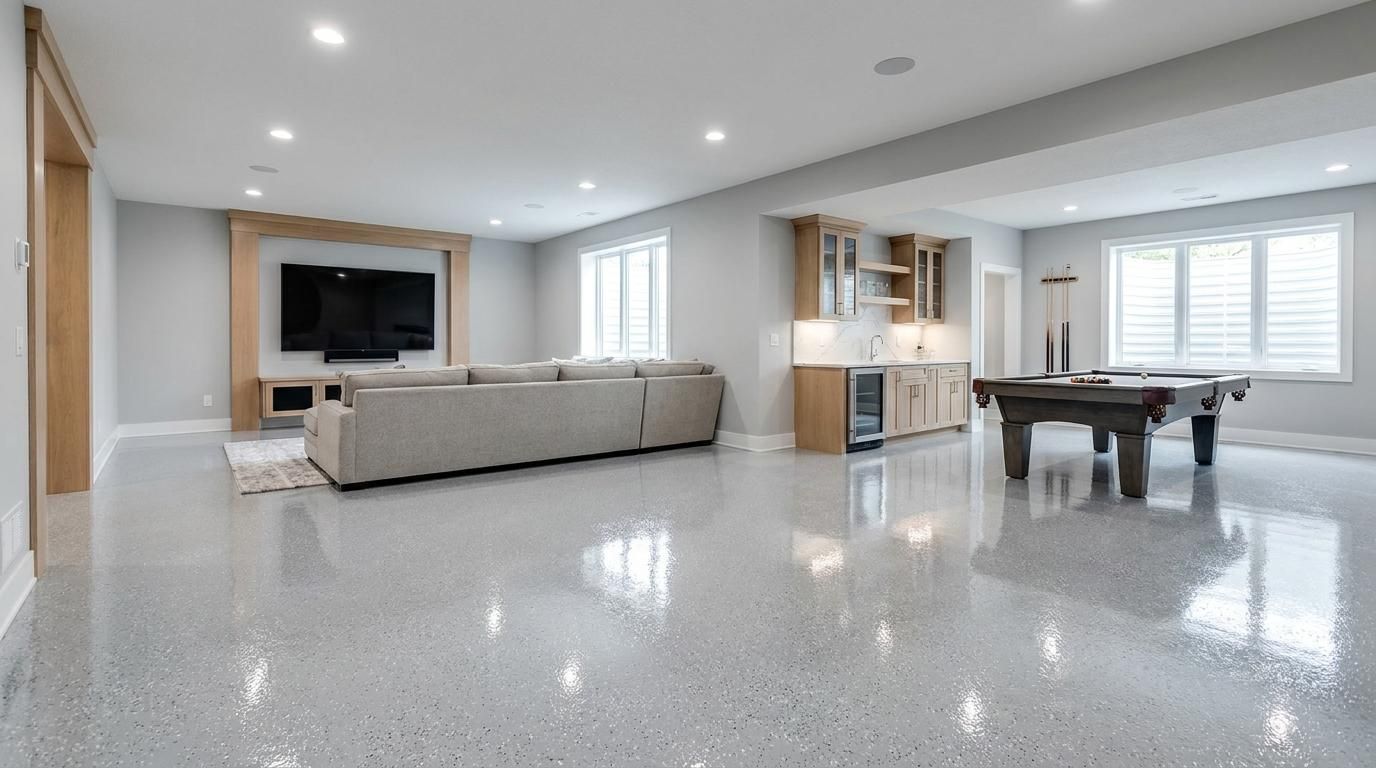
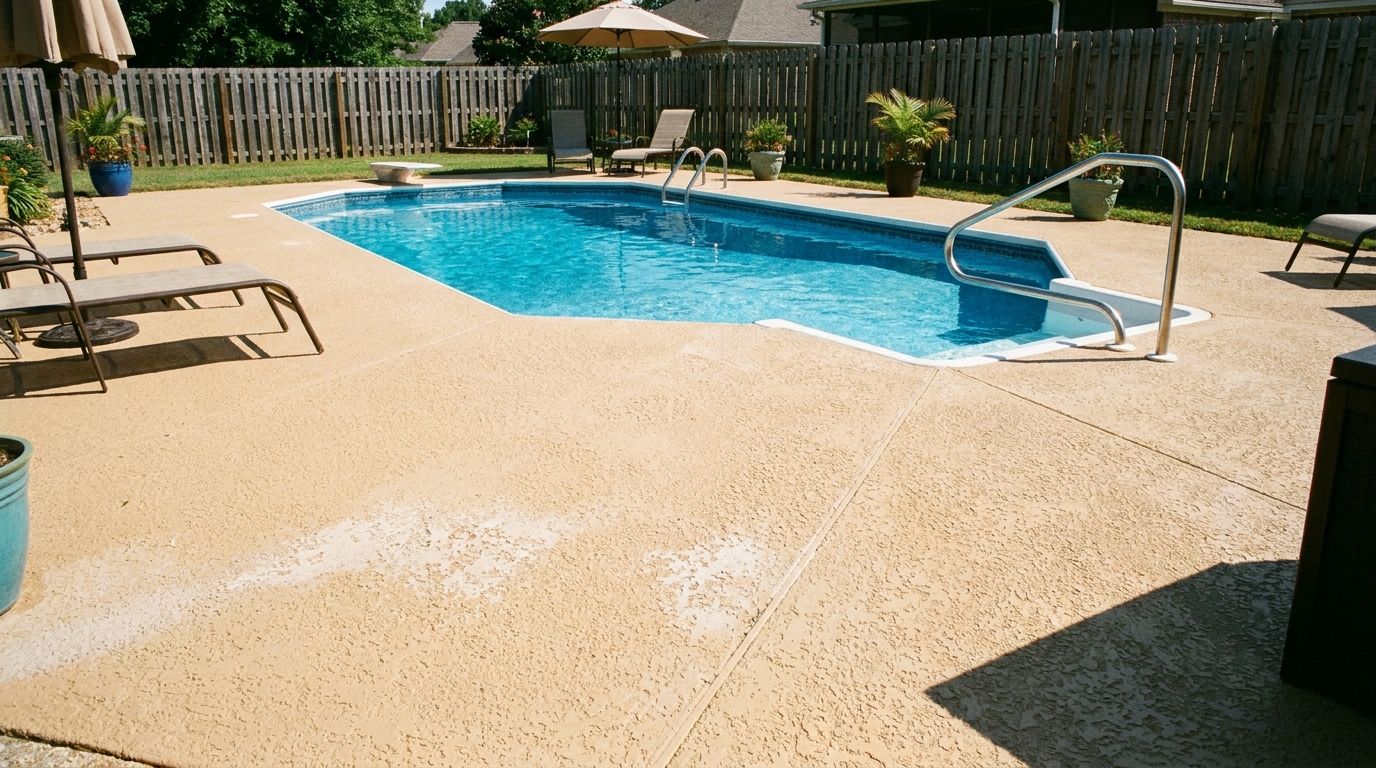
Garage floor coating maintenance tips start with regular sweeping, mopping with a pH-neutral cleaner, and cleaning spills before they set. Polyaspartic and polyurea coatings are low-maintenance by design, but consistent care keeps the surface performing and looking sharp for the life of the 15-year warranty and beyond. 12 Point Concrete Coatings installs these residential floor systems across Northwest Arkansas and recommends the following routine.
Late spring is when most Northwest Arkansas homeowners start noticing the toll winter took on their garage floor. Road salt residue, tracked-in gravel, and moisture stains accumulate over months of cold weather. A seasonal reset now prevents long-term surface wear and keeps the coating ready for heavier use in the months ahead.
1. Sweep or Vacuum Two to Three Times Per Week
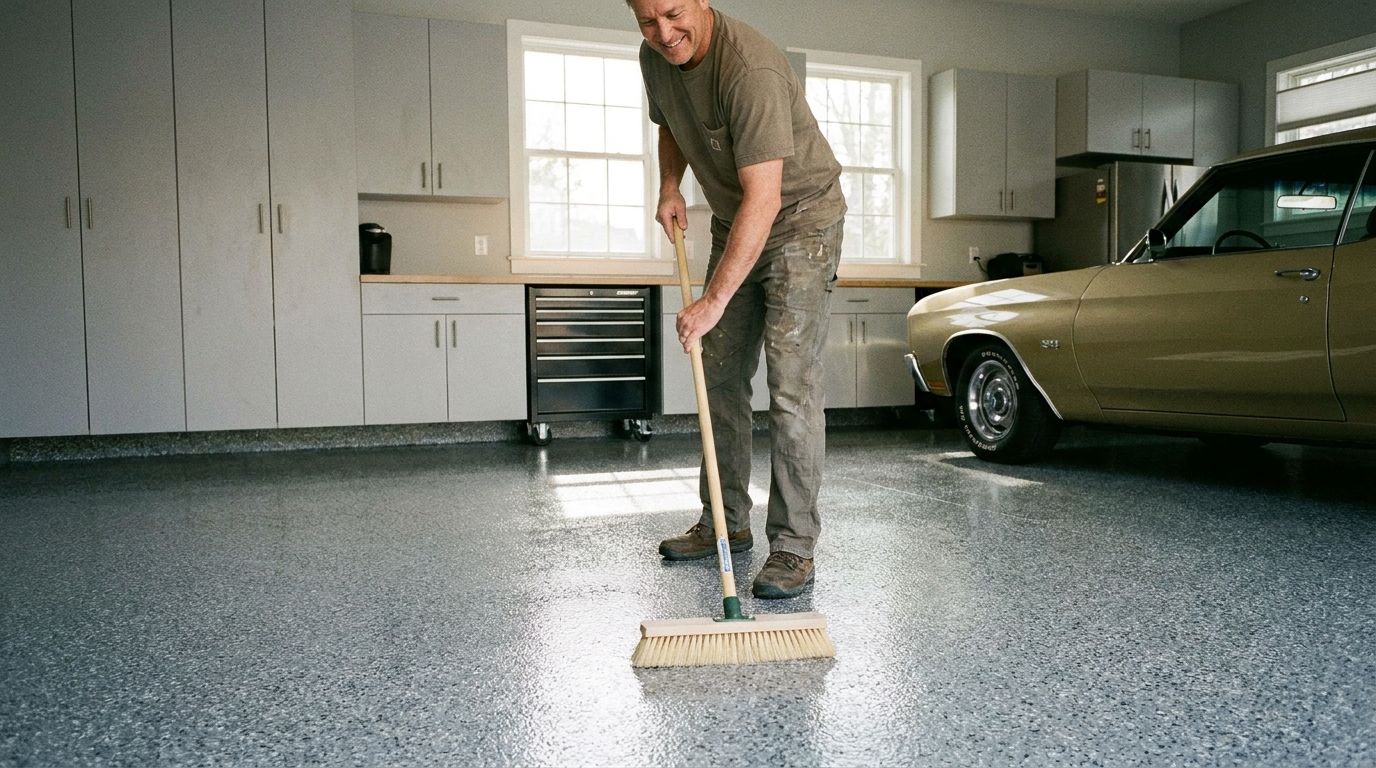
Sand, gravel, and debris act like sandpaper under tires and foot traffic. A soft-bristle push broom or shop vacuum with a brush attachment removes grit before it can scratch the surface. Garages near gravel driveways or construction areas need more frequent sweeping. This single habit prevents the majority of micro-scratch damage that dulls a garage floor coating over time.
2. Mop With a pH-Neutral Cleaner Monthly
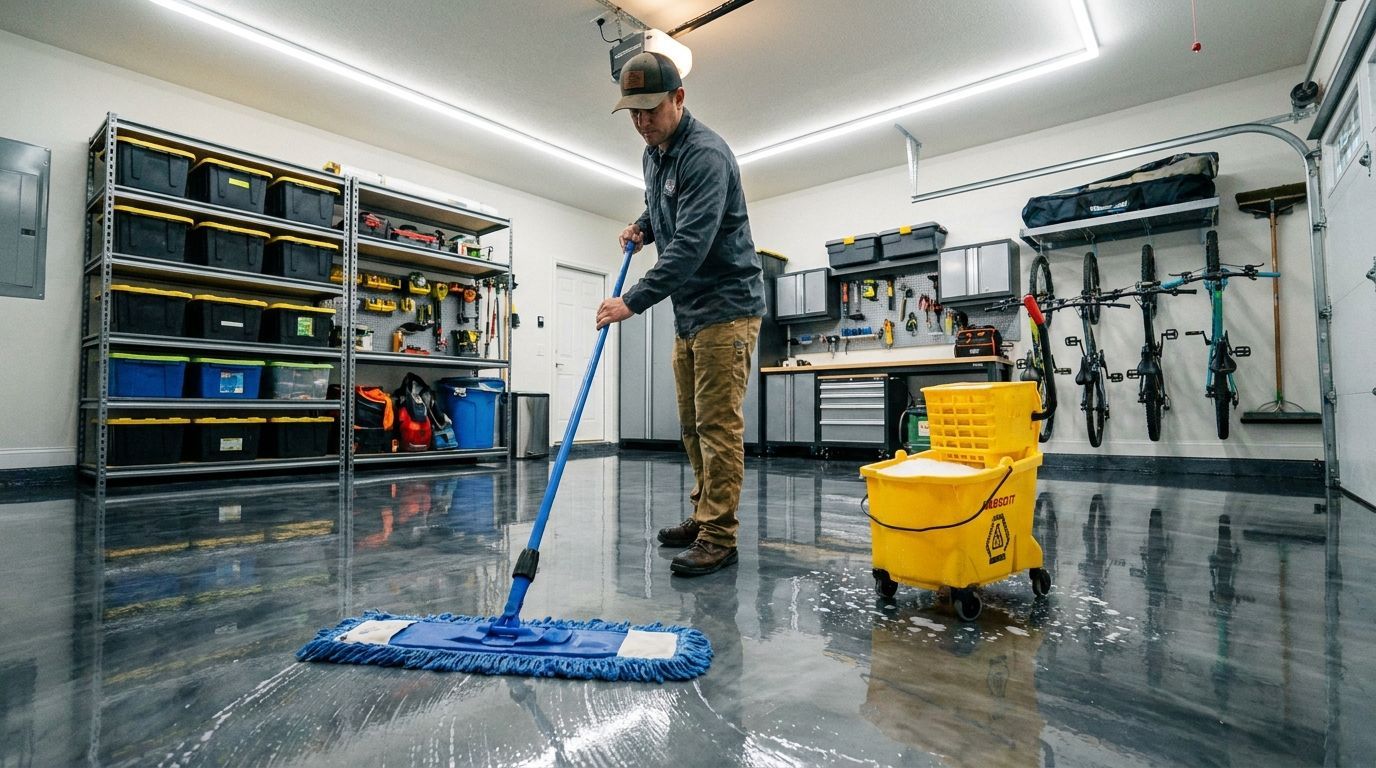
Mix two to three ounces of mild dish soap per gallon of warm water. Mop the entire floor, rinse with clean water, and squeegee dry to prevent water spots. A microfiber mop works best on coated surfaces. Increase to biweekly cleaning if you use your garage as a workshop or park vehicles that track in road grime daily.
3. Clean Spills Before They Set
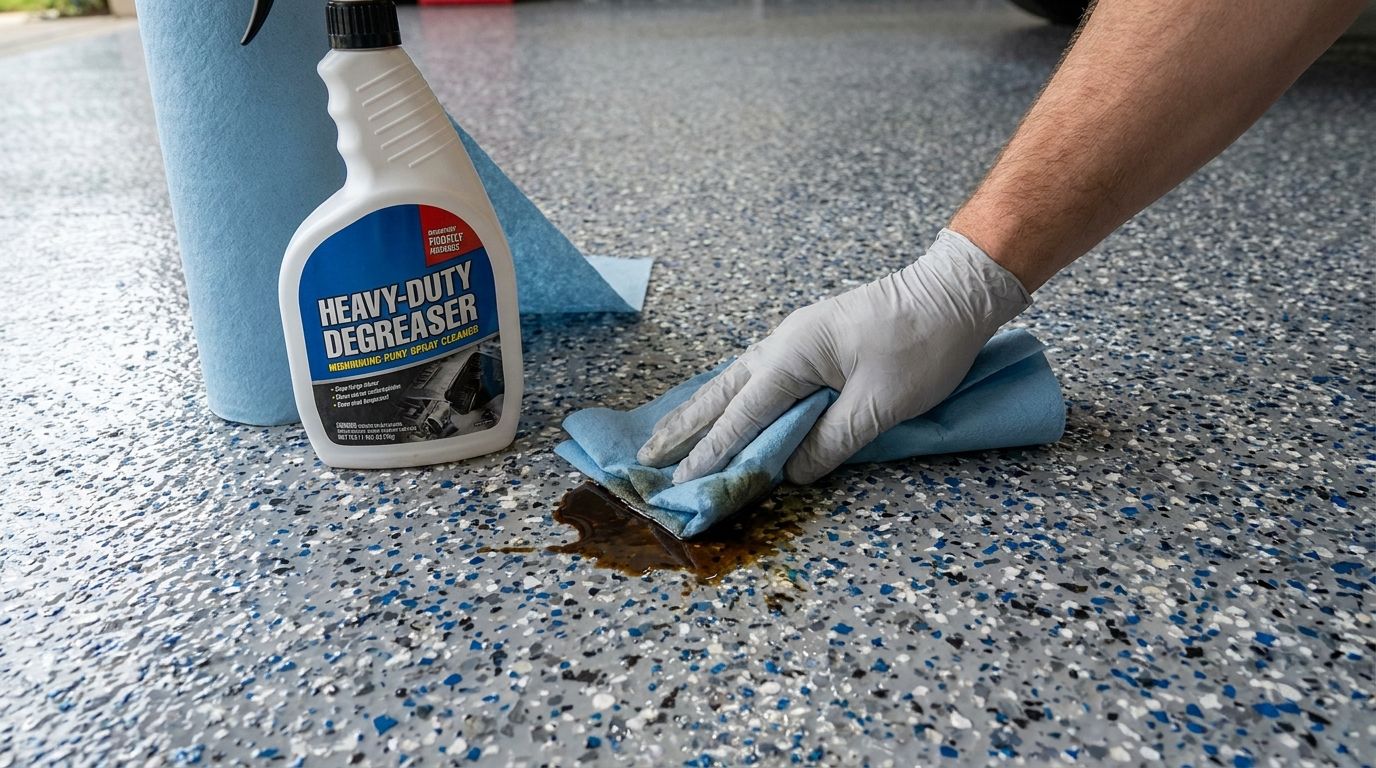
Oil, antifreeze, brake fluid, and lawn chemicals can leave marks if they sit for hours. Blot the spill with paper towels or an absorbent pad, then wipe with mild soap and warm water. For stubborn spots, use a non-abrasive nylon scrub pad. Professional polyurea coatings resist chemical staining, but prompt cleanup keeps the surface looking its best.
4. Use Protective Mats in High-Wear Areas
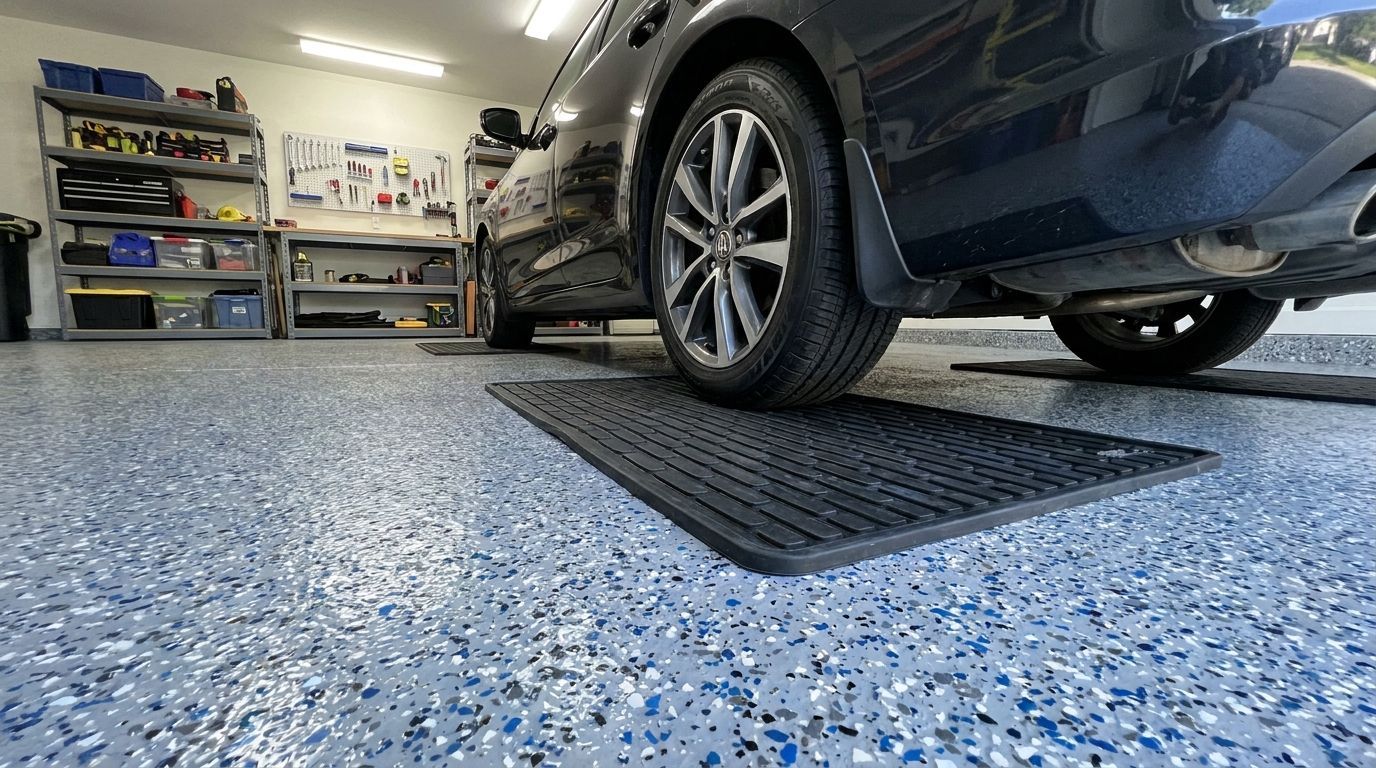
Place rubber or PVC mats under jack stands, welding stations, and heavy tool chests. Mats absorb impact from dropped tools and catch fluid drips before they reach the coating. Position mats where hot tires rest after long drives. While polyaspartic coatings resist hot-tire pickup far better than epoxy, mats add an extra layer of protection in high-use garages.
5. Avoid Harsh Chemicals and Abrasive Tools
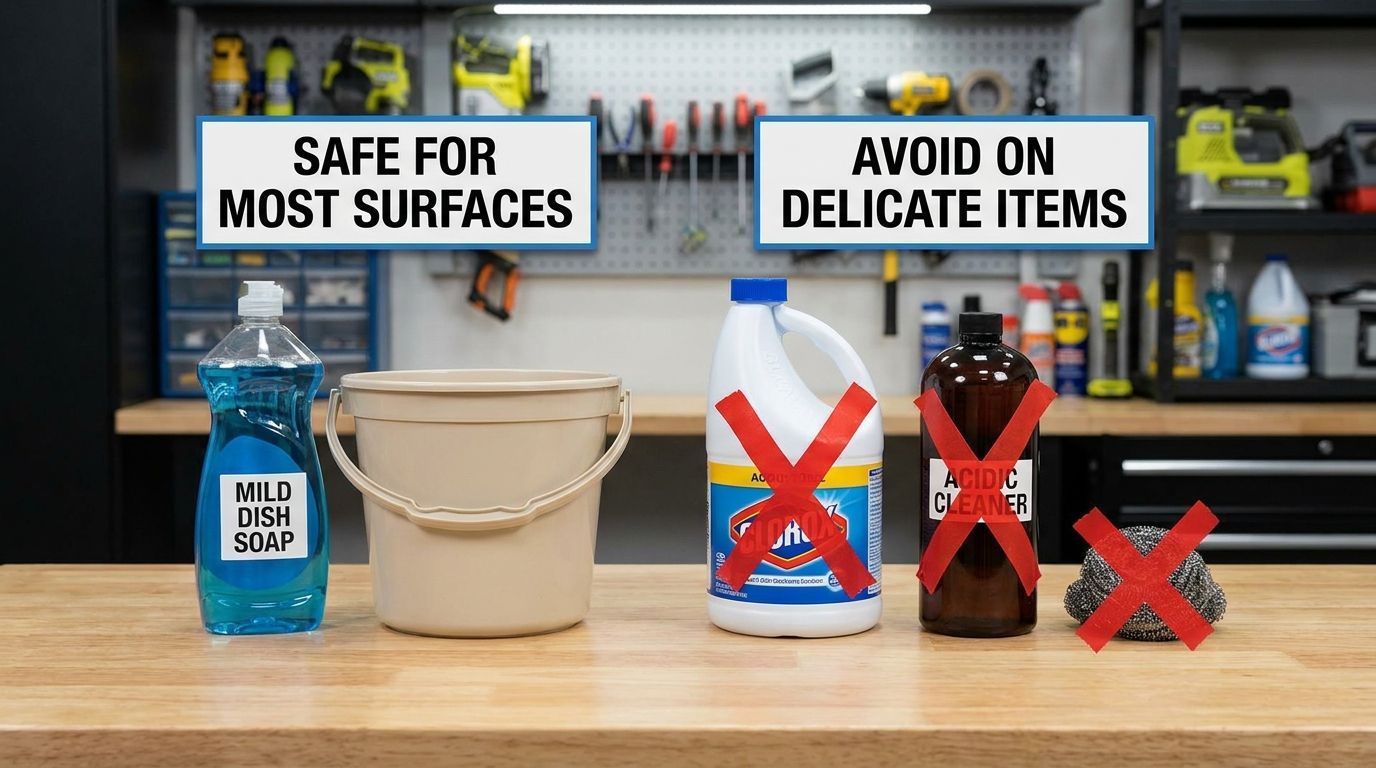
Skip bleach, ammonia, vinegar, and acidic cleaners. These break down the polyaspartic top coat over time. Steel wool and stiff-bristle brushes scratch the surface and dull the gloss. Stick with mild dish soap and soft nylon pads for any cleaning task. Pressure washers should stay on a low setting if used at all.
6. Address Seasonal Hazards Early
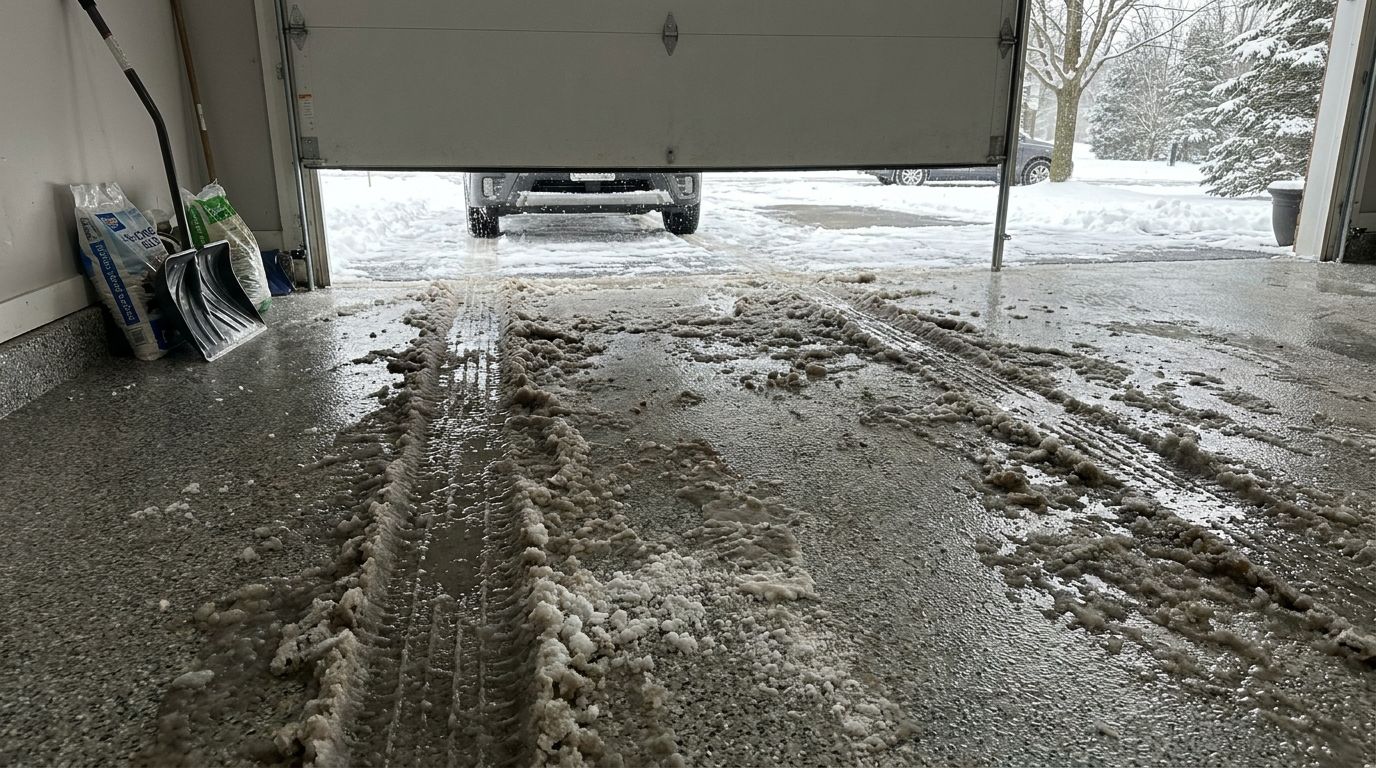
In winter, rinse road salt and deicing chemicals off the floor within a day or two of tracking them in. Salt doesn't damage polyurea or polyaspartic coatings directly, but it creates a gritty layer that scratches under tire traffic. In summer, squeegee standing water after heavy rainstorms blow in through the garage door. 12 Point Concrete Coatings installs coatings on garage floors across Northwest Arkansas built to handle all four seasons with minimal upkeep.
Frequently Asked Questions
Can I use a pressure washer on a coated garage floor?
You can, but keep it on a low-pressure setting and hold the nozzle at least 12 inches from the surface. High-pressure spray concentrated on one spot can damage the polyaspartic top coat over time. For most cleaning, a mop and mild soap work better and carry no risk.
How often should I deep-clean my coated garage floor?
A thorough mop with soap and water once a month handles most residential garage floors. Garages used as workshops or that see daily vehicle traffic benefit from biweekly deep cleaning. A quick sweep between deep cleans prevents grit buildup from causing surface wear.
Will road salt damage my polyurea garage floor coating?
Road salt doesn't chemically damage polyurea or polyaspartic coatings. The risk is abrasion: salt granules grind against the surface under tire traffic like fine sandpaper. Rinsing salt off within a day or two of each winter storm prevents that wear and keeps the finish intact.
Keep Your Coating Working as Hard as You Do
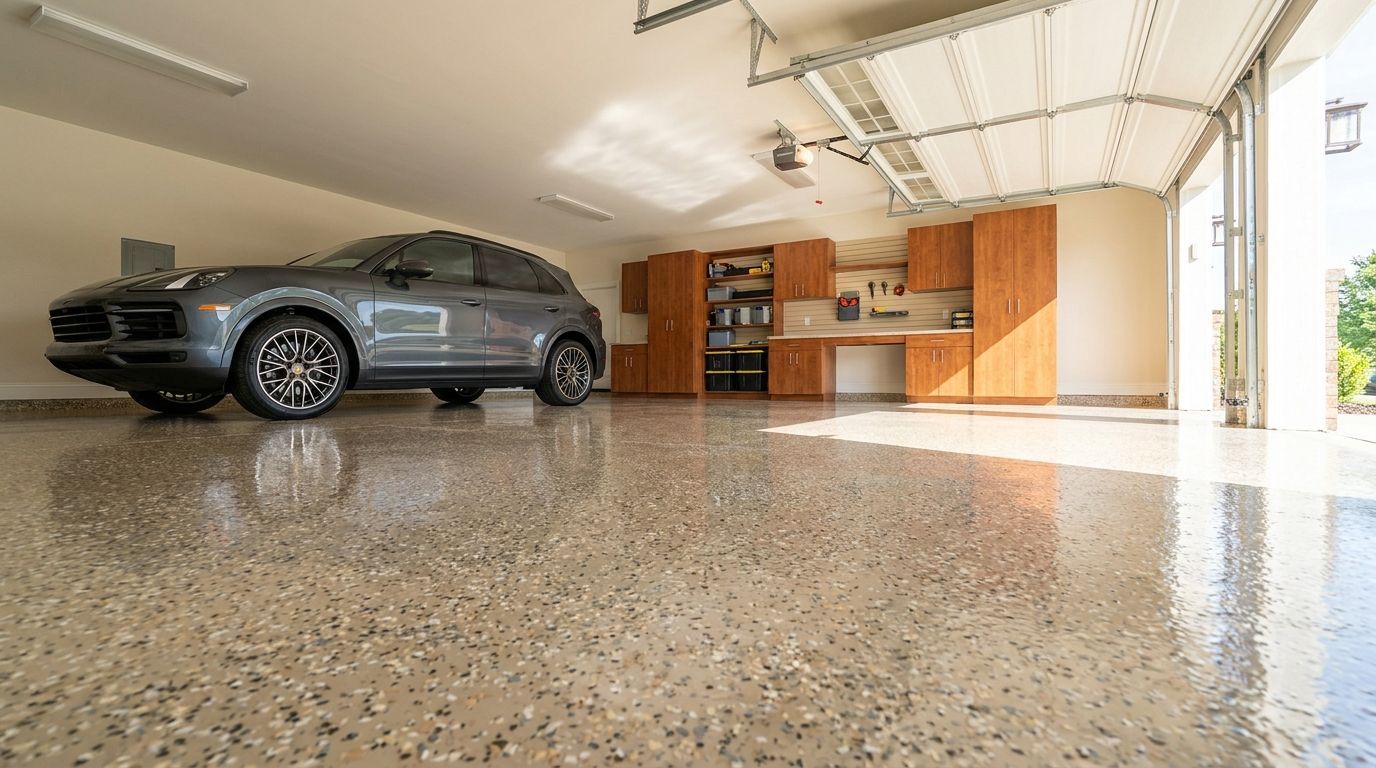
A professional polyurea and polyaspartic garage floor is backed by a 15-year warranty and designed to perform with minimal effort. Regular sweeping, monthly mopping, prompt spill cleanup, and seasonal attention keep the surface performing and looking like the day it was installed.
Contact 12 Point Concrete Coatings for a free quote or (479) 789-0812 to learn more about coatings that hold up to real life.