Can You Coat a Cracked Garage Floor? What Northwest Arkansas Homeowners Should Know
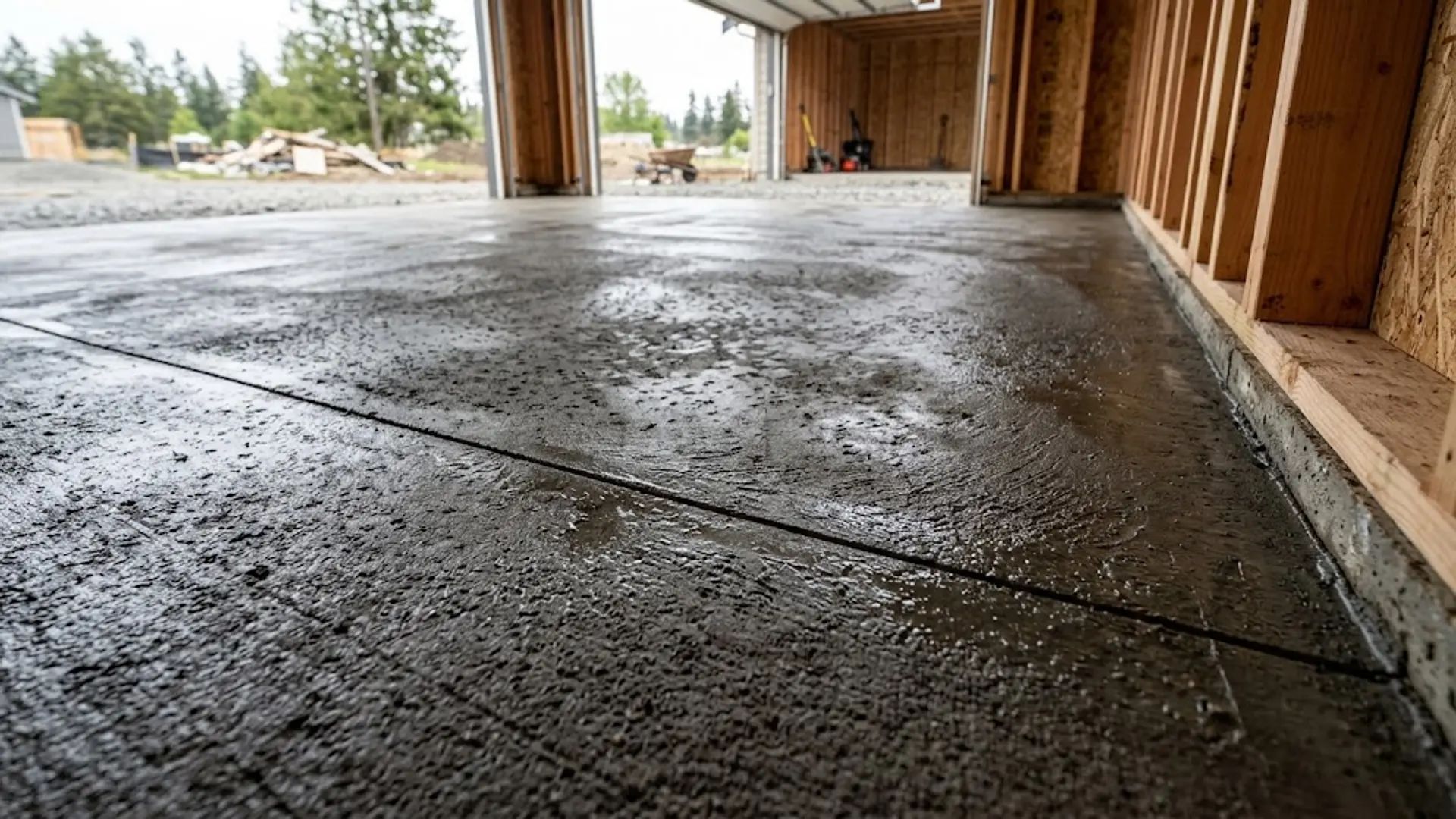
In most cases, a cracked garage floor can still be coated as long as the crack is repaired first and the slab underneath is stable. However, a protective coating isn't a fix for a slab that's actively moving, heaving, or holding onto excess moisture, so those conditions need to be ruled out before any coating goes down. The real question isn't whether a crack is visible. It's whether the concrete underneath it is sound.
That critical distinction is where 12 Point Concrete Coatings begins every garage floor project. Installing durable polyurea and polyaspartic floor systems throughout Northwest Arkansas, the company prioritizes deep slab evaluation, knowing precisely when a crack requires a simple surface prep versus when it signals a larger structural issue. Here's how to assess your garage floor before requesting an estimate.
When a Cracked Garage Floor Can (and Can't) Be Coated
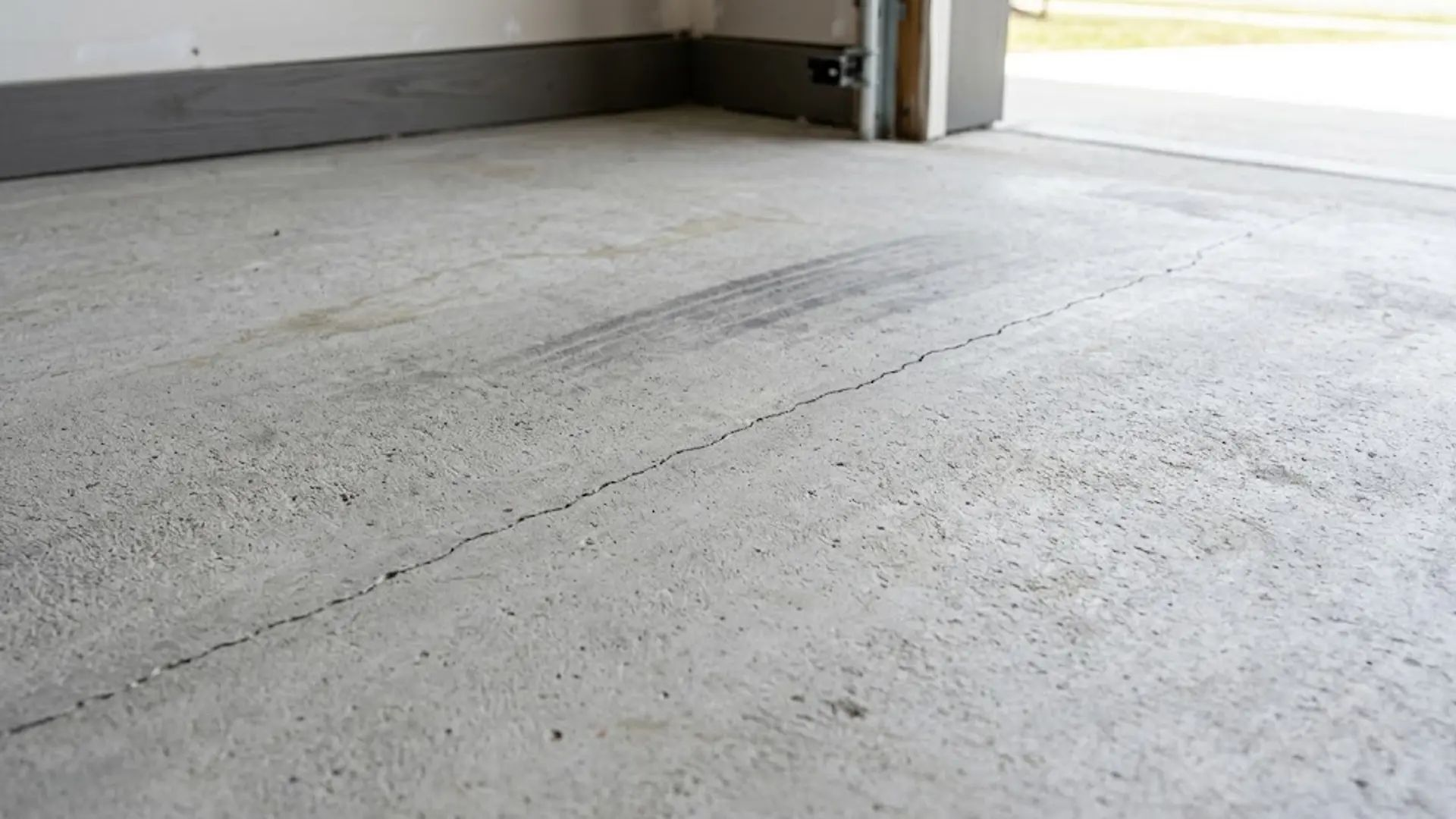
Not every crack behaves the same way, and that difference determines whether a floor is ready for a coating or needs a closer look first.
- Stable, non-moving cracks can typically be repaired as part of standard surface preparation before a coating is applied.
- Cracks tied to ongoing movement, settlement, heaving, or persistent moisture need their underlying cause addressed first, because a coating can't prevent continuous slab movement.
Seasonal temperature swings should be part of the decision. Concrete naturally expands and contracts as temperatures shift throughout the year in Northwest Arkansas, which is one reason a crack that looks the same from month to month is usually a different situation than one that keeps growing. That local reality is also why homeowners looking into garage floor coatings are encouraged to ask about crack stability before committing to a project.
Why Skipping Crack Repair Leads to Coating Failure
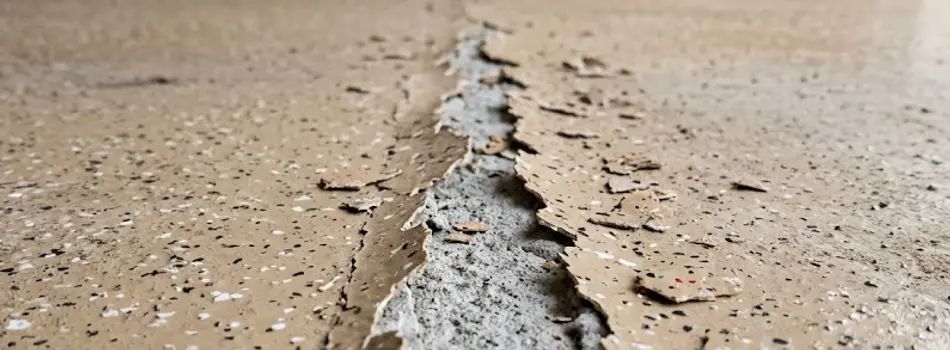
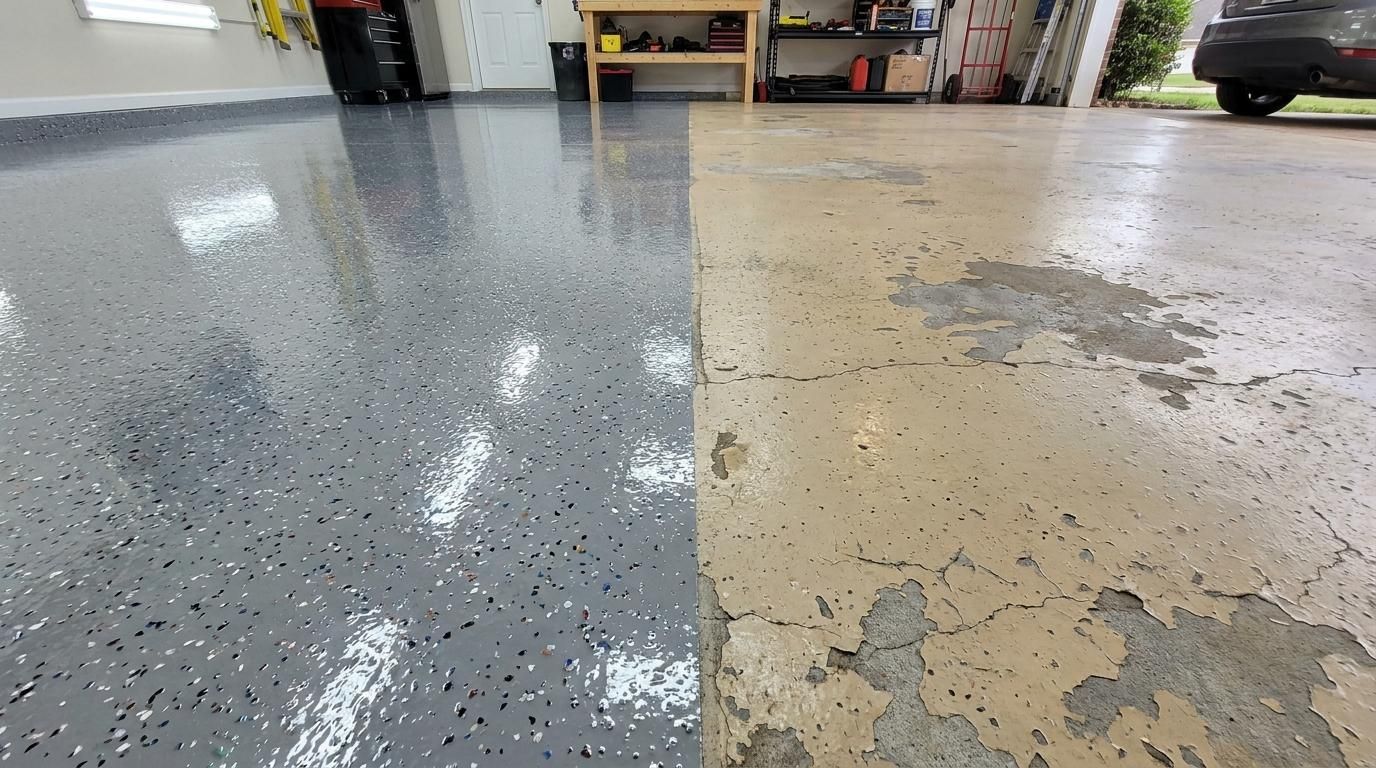
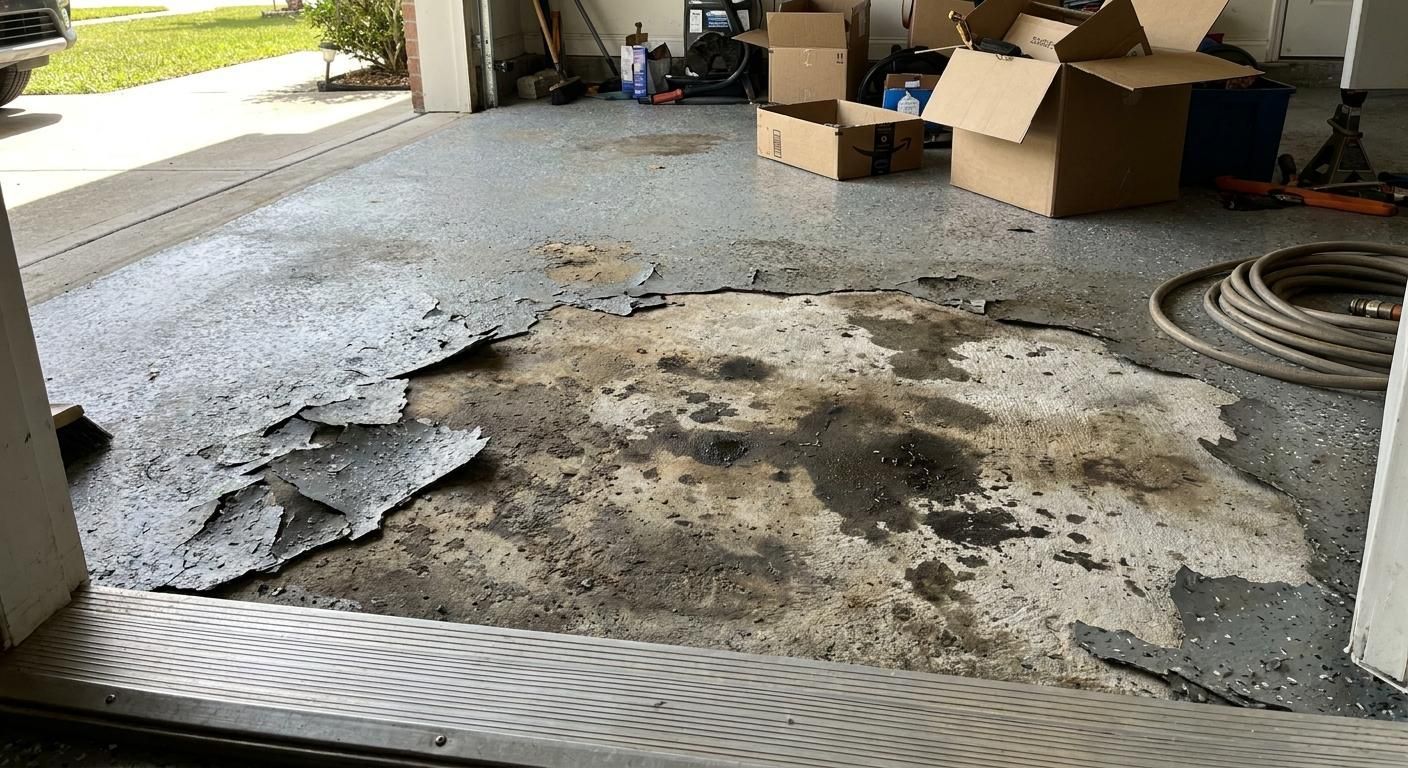
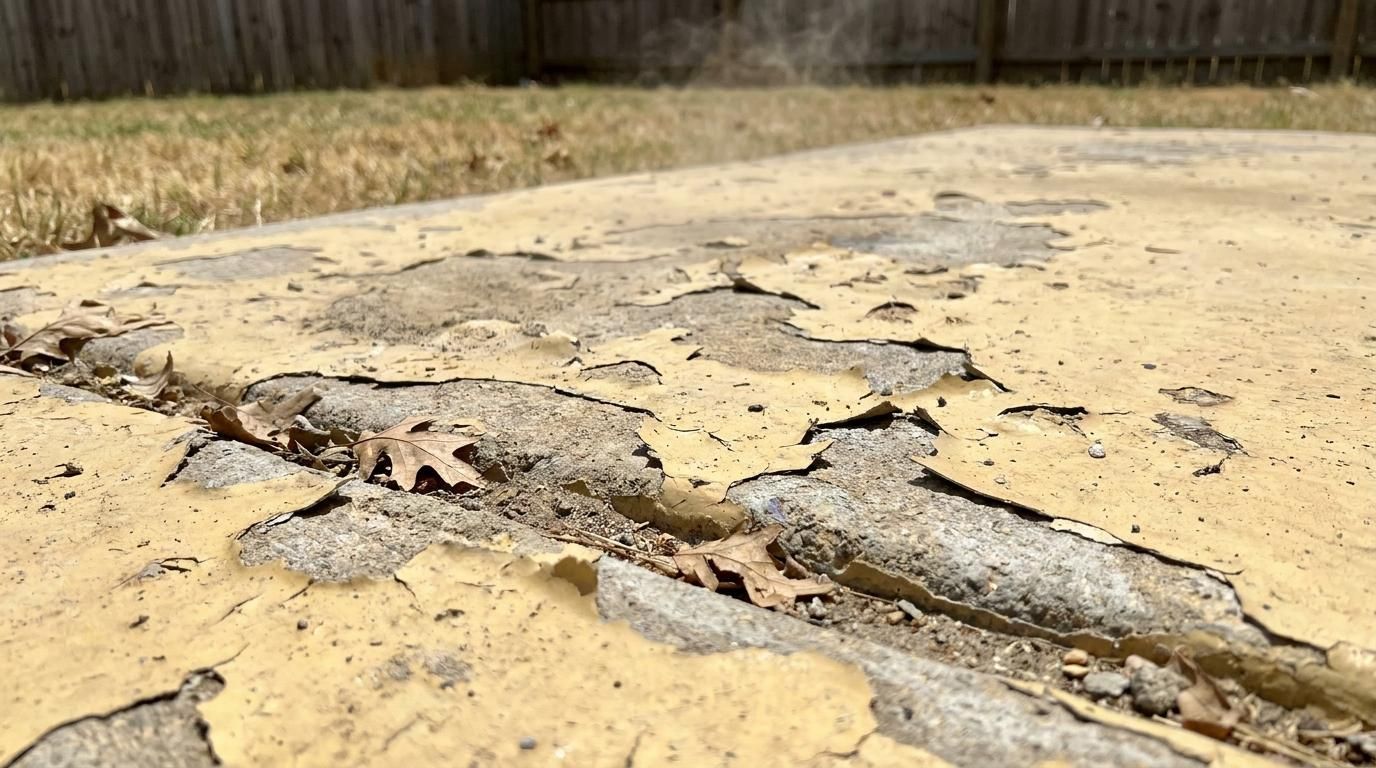
Coating over a crack that hasn't been properly repaired is one of the most common mistakes in this type of project. When a crack is left untreated underneath a new coating, it can telegraph through the finished surface and contribute to the coating failing well before it should. Crack repair isn't a cosmetic extra. It's part of the job.
What Professional Crack Repair and Preparation Actually Involves
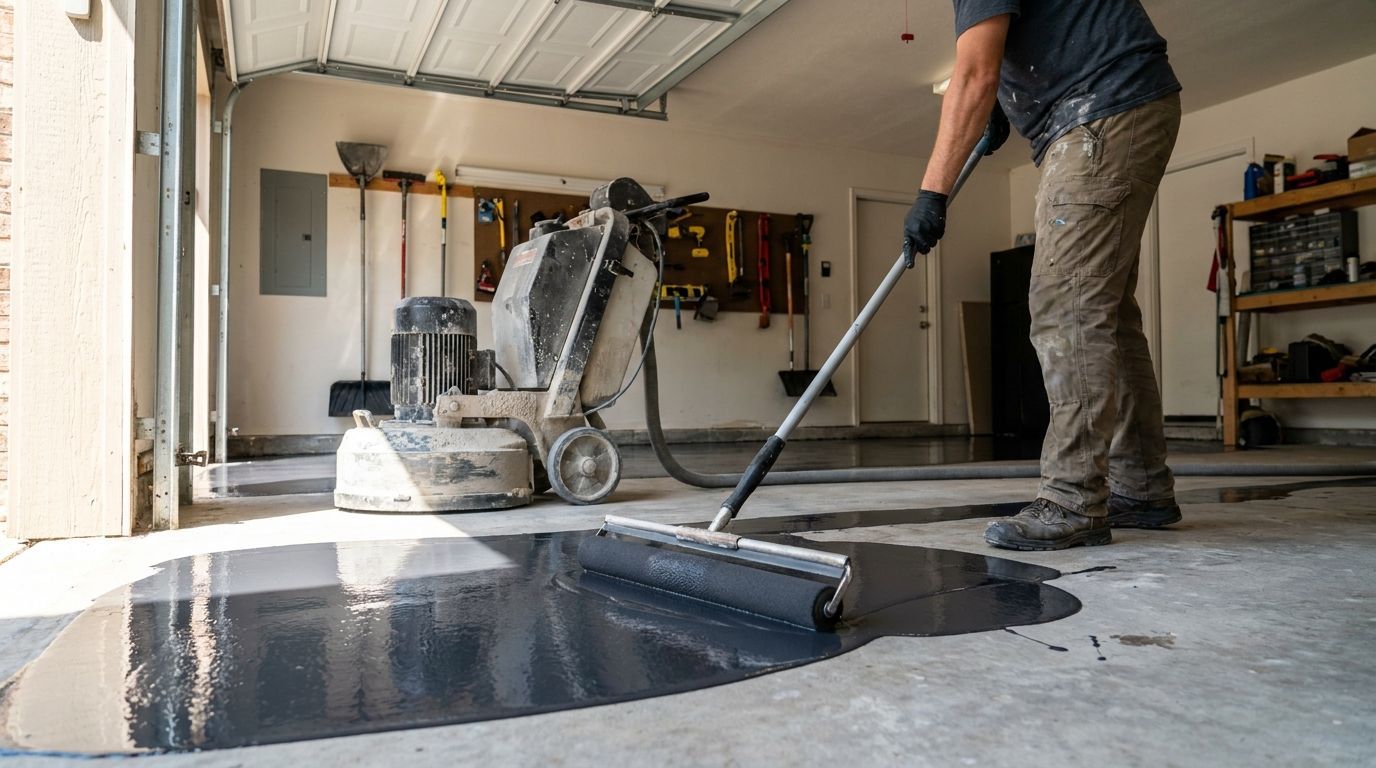
Proper preparation separates a coating that lasts from one that doesn't. On a typical job, that process includes:
- Mechanically grinding the surface with diamond tooling
- Cleaning out the crack itself
- Applying a compatible repair material into the crack
- Allowing the repair to cure
- Grinding the repair flush with the surrounding slab before the coating system goes down
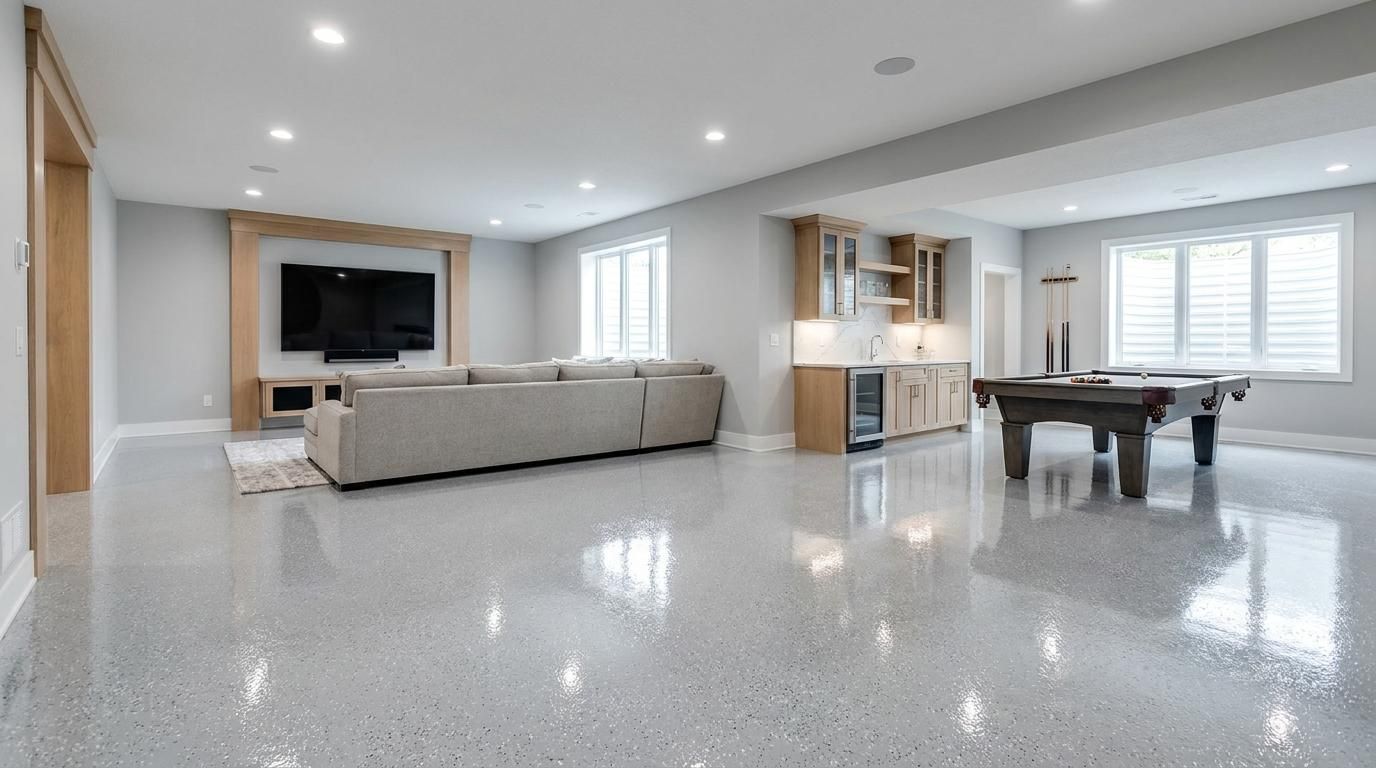
12 Point Concrete Coatings follows this same sequence on every job. Our process includes diamond grinding along with the repair and smoothing of cracks, chips, and spalling before any coating is applied, then finishes with an industrial polyurea base coat and a polyaspartic top coat. Polyurea and polyaspartic play different roles in that layered system, from flexibility to UV resistance to cure speed, which is why the prep work underneath has to be done correctly.
What to Expect After Your Floor Is Repaired and Coated
Once a garage floor has been repaired and coated, timing is worth separating into a few different milestones:
| Milestone | What to Expect |
|---|---|
| Installation | Residential garage floors can typically be completed in one day. |
| Walkable | The floor is generally walkable within 24 hours. |
| Vehicle-ready | The floor is generally ready for vehicle traffic within 48 hours. |
12 Point Concrete Coatings backs its work with a 15-year warranty covering peeling, chipping, and defects. Qualifying Valence Protective Coatings systems installed with the specified basecoat, mender, and full-flake broadcast also carry a Residential Limited Lifetime Warranty against UV yellowing or fading.
Frequently Asked Questions
Will a garage floor coating hide a crack permanently?
A coating can hide a crack cosmetically once it has been properly repaired, but the coating itself isn't a structural fix. If the crack starts moving again, that movement can eventually show through the surface.
When is a garage floor crack a sign I should delay coating and have the slab evaluated?
If a crack is growing, uneven at the edges, tied to visible settling, or paired with ongoing moisture, it's worth having the slab evaluated before scheduling a coating. Stable, non-moving cracks are typically the ones ready for standard repair and coating.
How long should I wait before parking on a newly coated garage floor?
Polyurea and polyaspartic coatings are safe for vehicle parking in 24 to 48 hours, while traditional epoxy requires three to seven days to cure fully. Parking any sooner risks hot tire pickup, where heat from your tires softens the uncured coating and pulls it right off the concrete.
Get a Garage Floor Evaluation From 12 Point Concrete Coatings
If you're looking at a cracked garage floor anywhere in Northwest Arkansas, from Bella Vista to Bentonville and the surrounding area, 12 Point Concrete Coatings can take a look and tell you honestly whether it's ready for a coating or needs repair first. Call (479) 789-0812 to talk through your floor and schedule an evaluation.