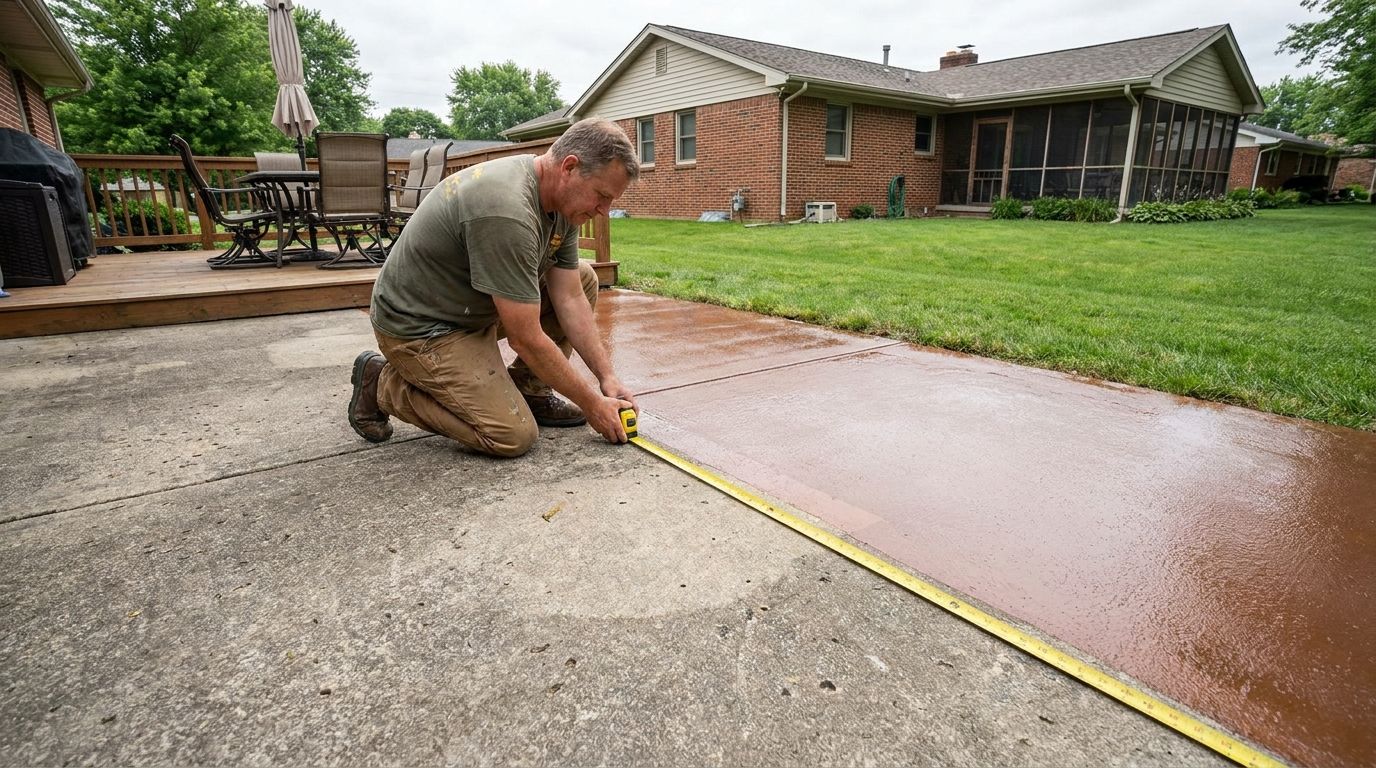
How Long Does New Concrete Need to Cure Before Coating?
New concrete needs at least 28 days to cure before a coating goes down, but that timeframe is strictly a minimum baseline. A slab in Bentonville, Rogers, Fayetteville, Springdale, or anywhere else in Northwest Arkansas can hit day 28 on the calendar and still hold too much moisture underneath to coat safely. 12 Point Concrete Coatings tests slab moisture before scheduling an install, which is why the right timeline for a slab poured during a rainy spring can look very different from one poured in a dry August. If you're weighing concrete coating systems for homes, here's what actually determines when your new slab is ready.
Why 28 Days Is the Standard
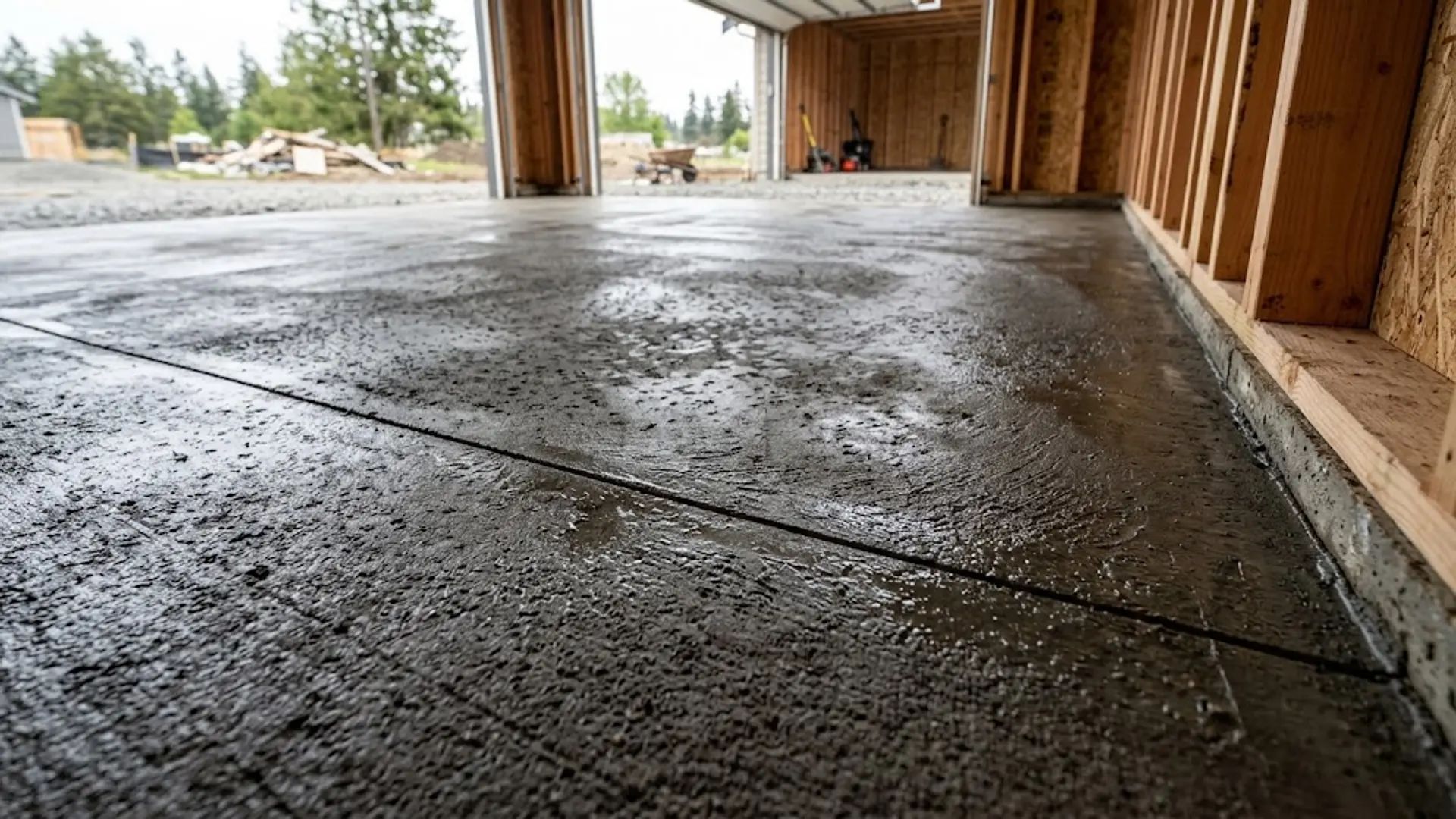
The 28-day number isn't about the surface drying out. It's about hydration, the chemical reaction that gives concrete its strength as it cures. Concrete reaches most of its design strength around the 28-day mark, and that's also roughly when the bulk of free moisture has worked its way out of the upper layers of the slab.
Drying and hydration aren't the same process, even though they happen at the same time. A slab can feel dry to the touch within days of the pour while it's still hydrating and releasing moisture from deeper in the concrete for weeks afterward. Coat too soon and that moisture doesn't just disappear. It gets trapped under the coating and pushes upward, looking for somewhere to go. That pressure lifts a coating from underneath, sometimes within weeks of installation.
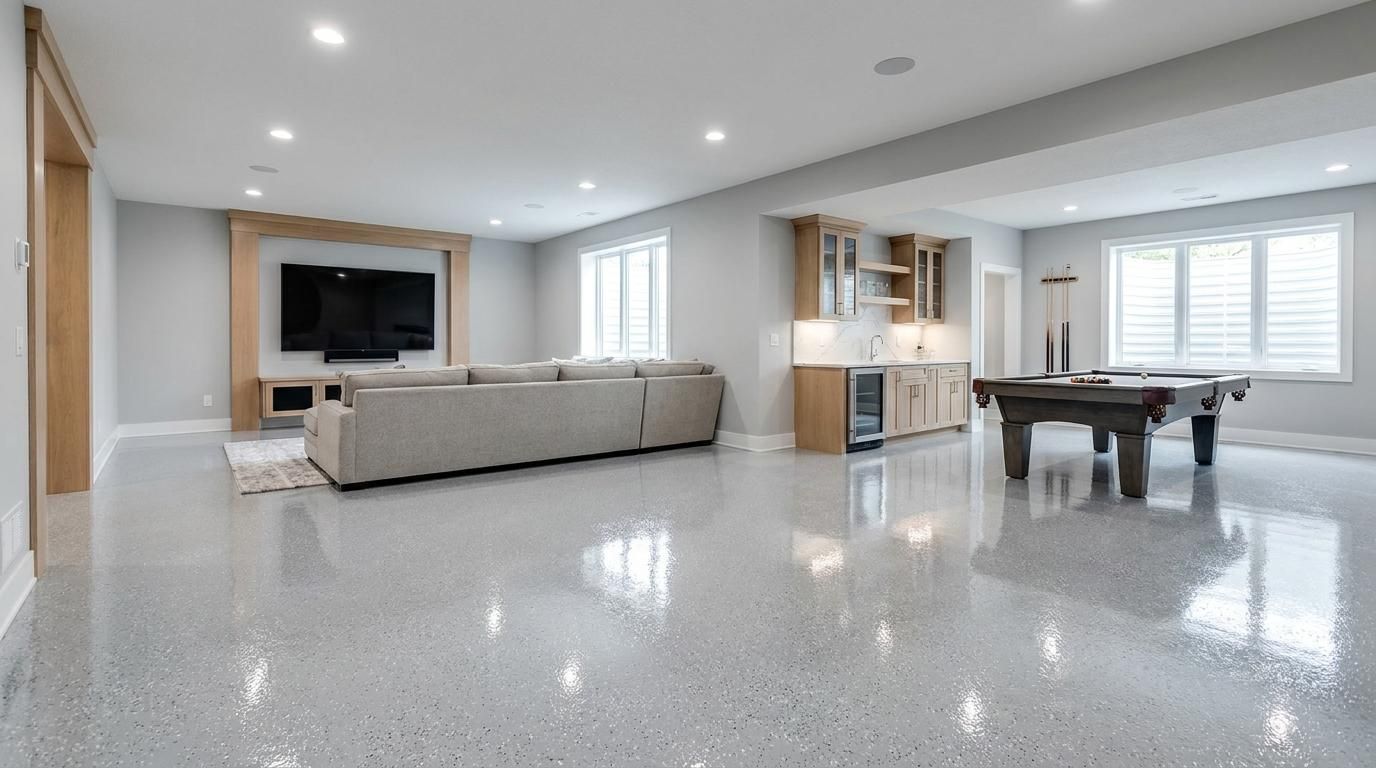
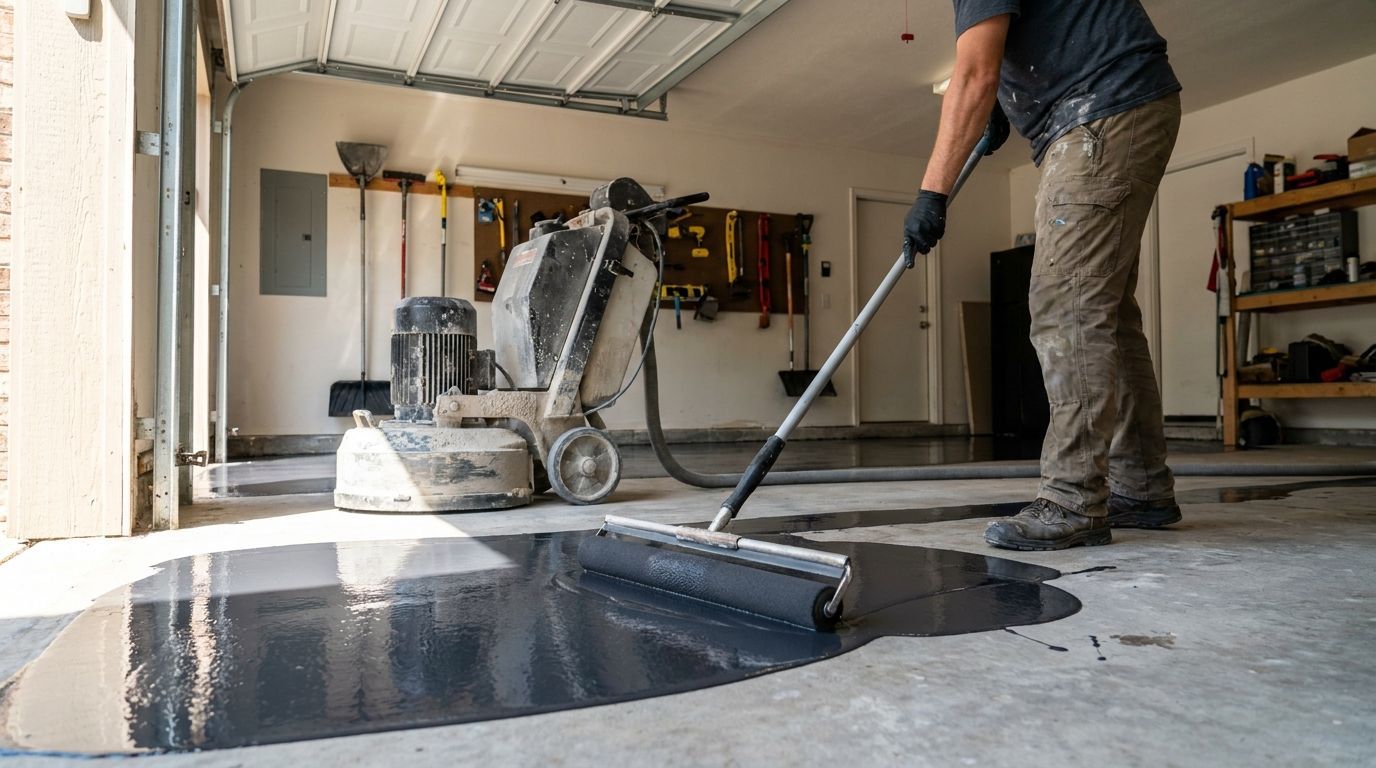
Once a slab is genuinely ready, 12 Point installs polyurea and polyaspartic coating systems, which cure fast and hold up to daily wear once they're down on solid, properly cured concrete.
Why 28 Days Isn't Always Enough
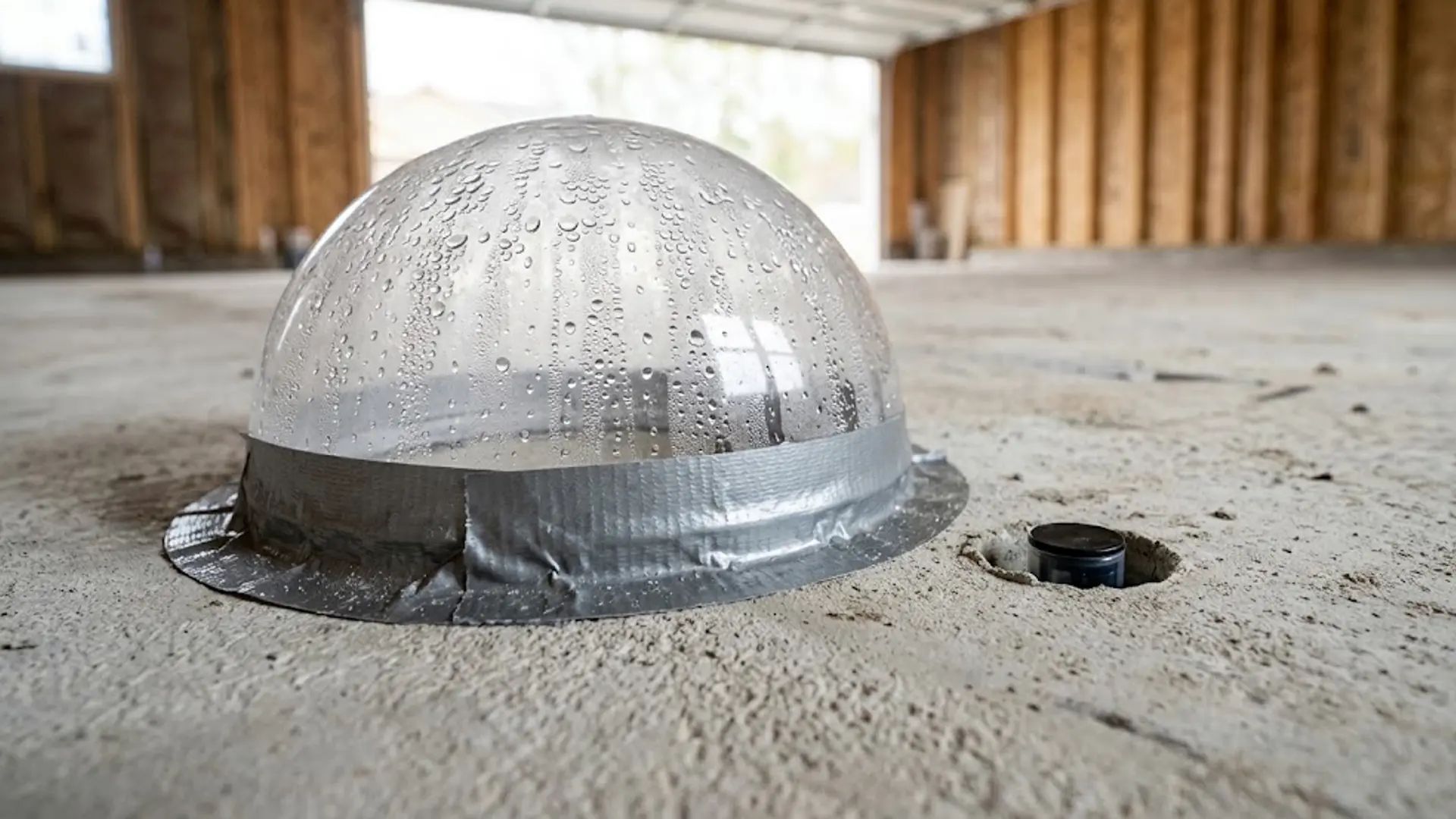
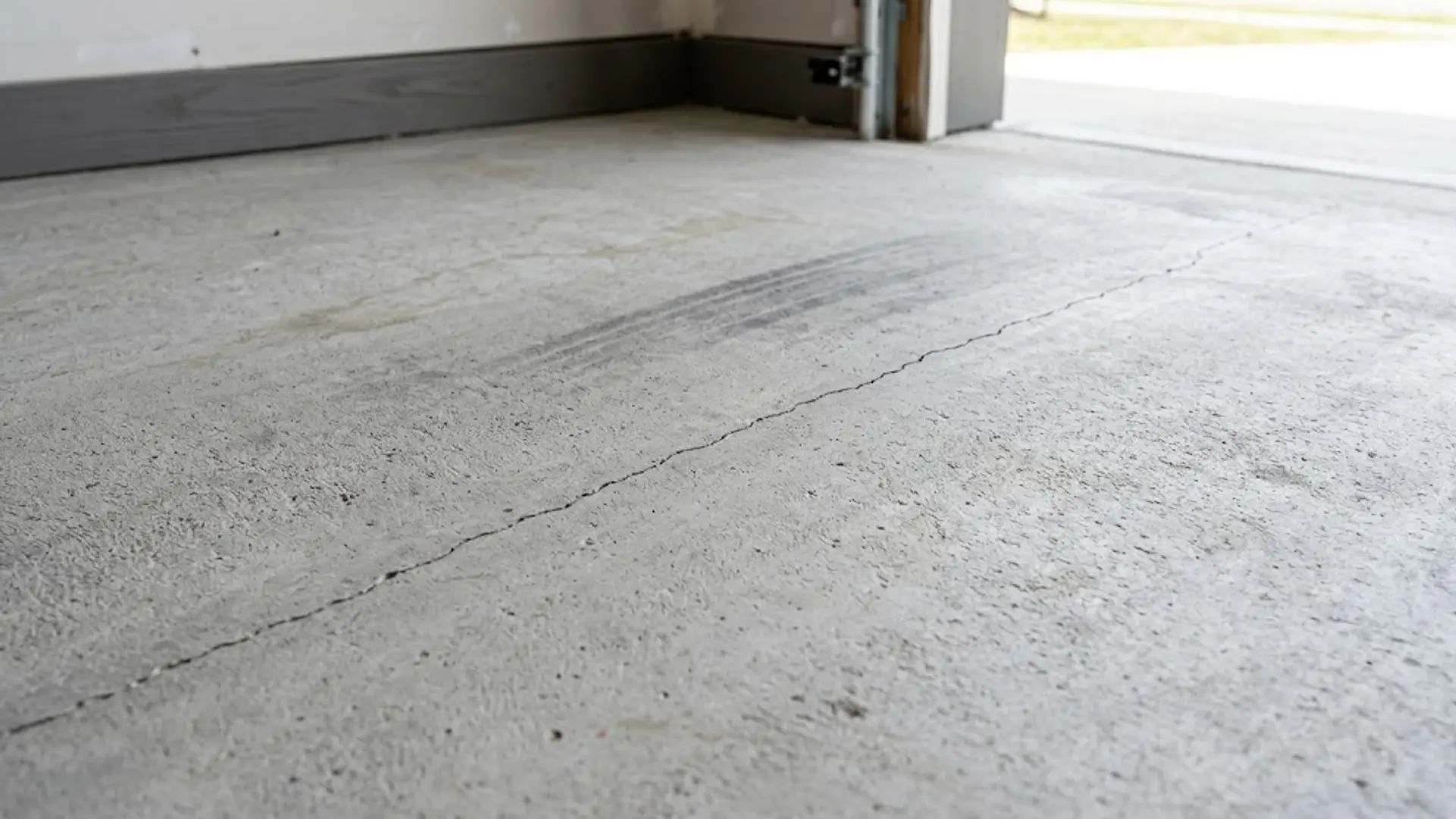
The calendar is simply a rough guide. Moisture is the actual test, and it can't be judged by looking at a slab or touching it. A slab can look bone dry on day 30 and still be pushing enough vapor underneath to cause a coating to fail months later.
That's why moisture gets tested rather than assumed. Methods like ASTM F2170 in-situ relative humidity probes and ASTM F1869 calcium chloride tests measure what's happening inside the slab.
A few things commonly stretch the wait beyond 28 days:
- A thicker slab, which holds moisture longer than a standard pour
- A wet spring or a stretch of high humidity while the slab is curing
- No vapor barrier under the pour, which lets ground moisture keep feeding the slab
- A late-season pour in cool temperatures, which slows hydration itself
A slab poured during a wet Northwest Arkansas spring and one poured in a dry August aren't on the same schedule, even if both hit day 28 on the same calendar. Spring rain and high humidity slow the moisture out of concrete. A cool October pour slows the hydration itself. Counting days works as a rough guide, but it can't tell you which kind of slab you have.
This is especially relevant in Bentonville, Cave Springs, and Centerton, areas that have seen multiple new pours over the past couple of years. A fair number of those homeowners are ready to coat their garage floors before the concrete has fully cured.
What Happens If You Coat Too Soon
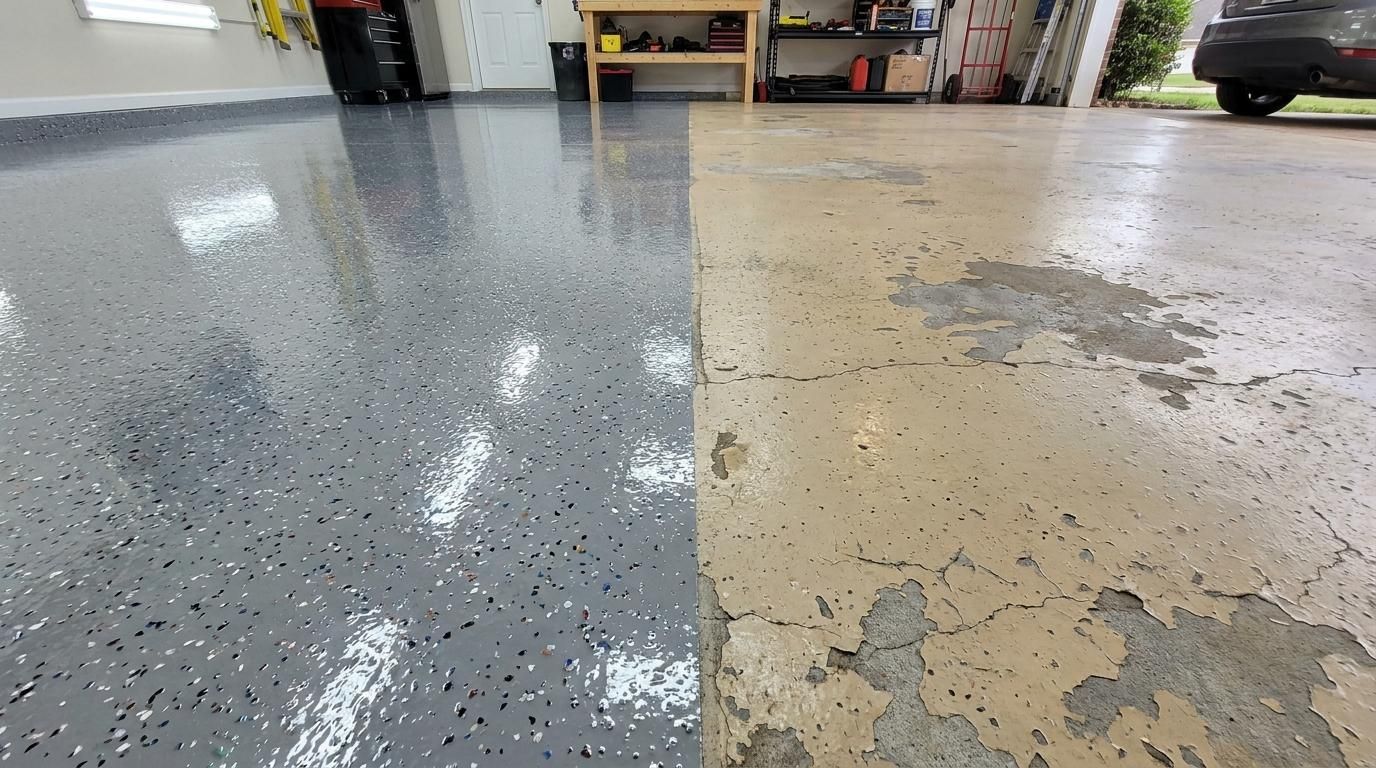
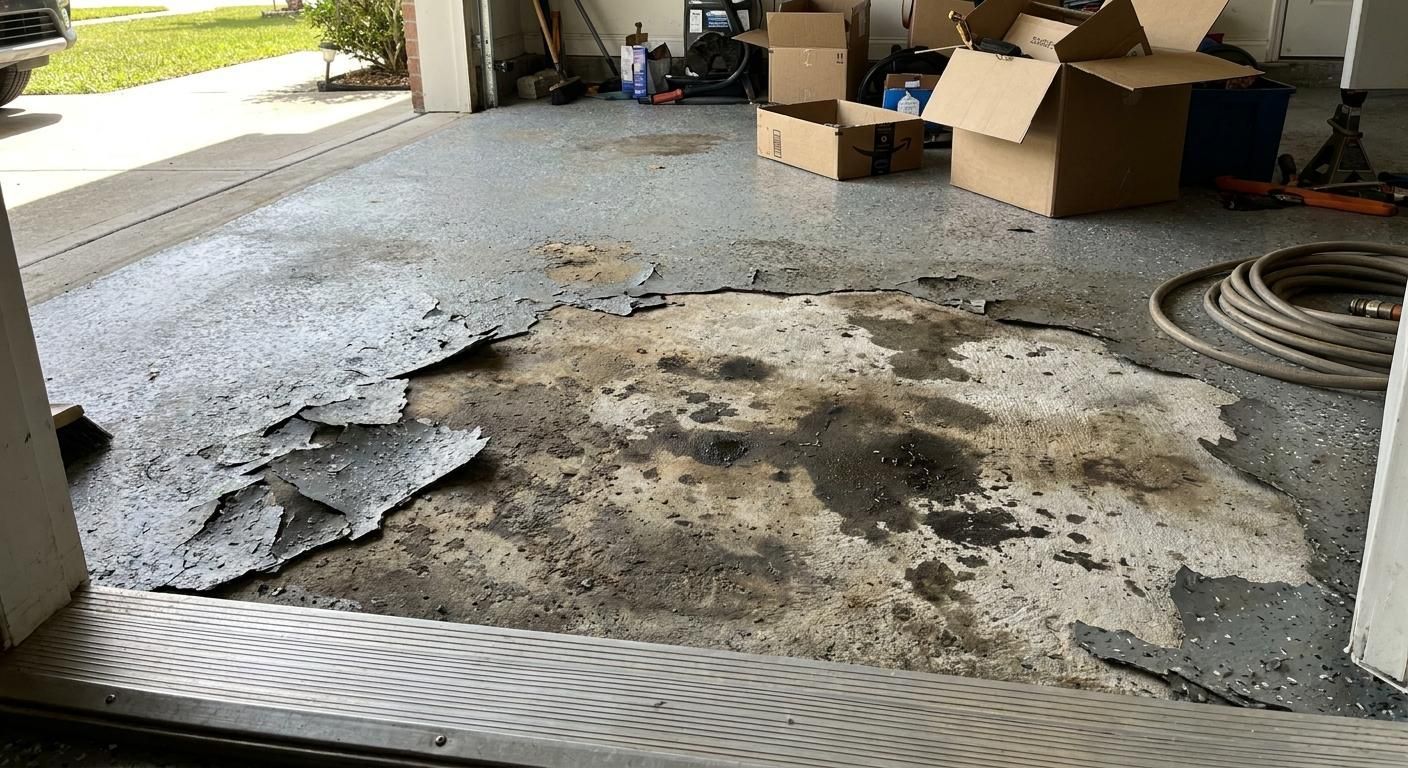
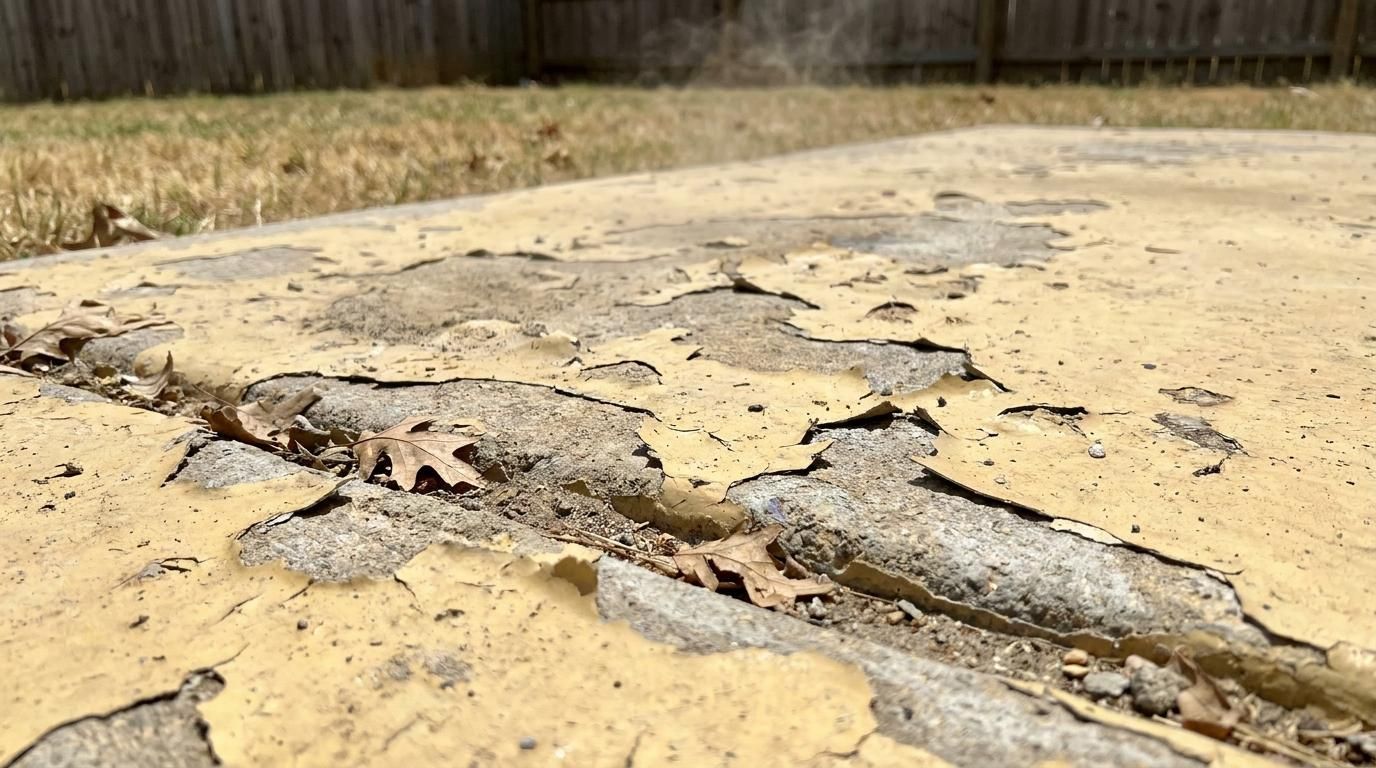
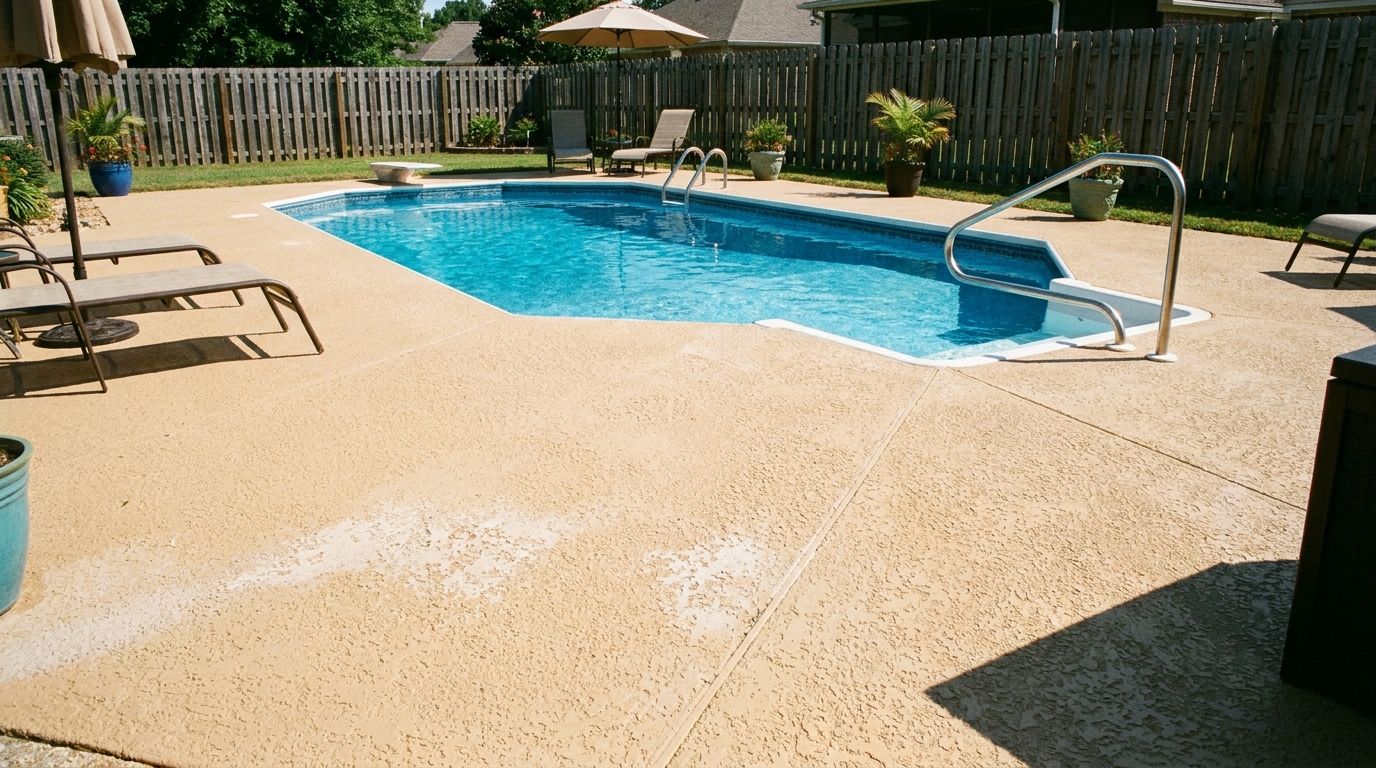
Trapped moisture under a coating shows up as blistering and bubbling as vapor pushes the coating up from the slab. Left alone, it can progress to full delamination, causing the coating to peel away in sheets. It also drives discoloration and efflorescence, a chalky white mineral residue pushed to the surface by migrating moisture.
None of that shows up on day one. A coating installed on a slab that isn't ready can look great for weeks or months before it starts failing, which means the homeowner effectively pays for the job twice: once for the original install, and again to have the failed coating ground off before a proper one goes down.
A failure caused by an under-cured slab is a different situation than a manufacturing or installation defect. If you want a sense of what's actually included, you can review what the 15-year warranty covers before you schedule anything.
Protecting Your Slab (and Timeline) While It Cures
While your new slab cures, taking care of the raw concrete keeps your project moving smoothly. Because the actual coating process takes only one day, a few quick precautions will ensure a seamless installation later:
- Keep the slab clean. Oil, paint spills, and construction adhesives are much harder to deal with once they've soaked in.
- Don't seal it yourself. A DIY sealer has to be stripped back off before a coating can bond to the slab, which just adds a step later.
- Don't park on it earlier than your builder advises.
- Get on the schedule now. Booking an assessment during the cure period doesn't cost you time later, since the wait is happening either way.
If you want to know what happens once the wait is over, our concrete coating covers what to expect from assessment to finished floor.
Frequently Asked Questions
Can you coat concrete before 28 days?
Occasionally, yes, you can coat concrete before 28 days, but only when moisture testing confirms the slab is actually ready. It's the exception, not the rule, and the calendar alone isn't enough to make that call.
How do you know if a new slab is dry enough to coat?
To know when a new slab is dry enough to coat, it needs to be tested for moisture. A slab can look bone dry and still be pushing enough vapor underneath to cause a coating to fail.
Does new concrete need to be sealed before coating?
No. A sealer applied before a coating just creates extra prep work, since it has to be removed before the coating can bond properly to the slab.
Ready When Your Slab Is
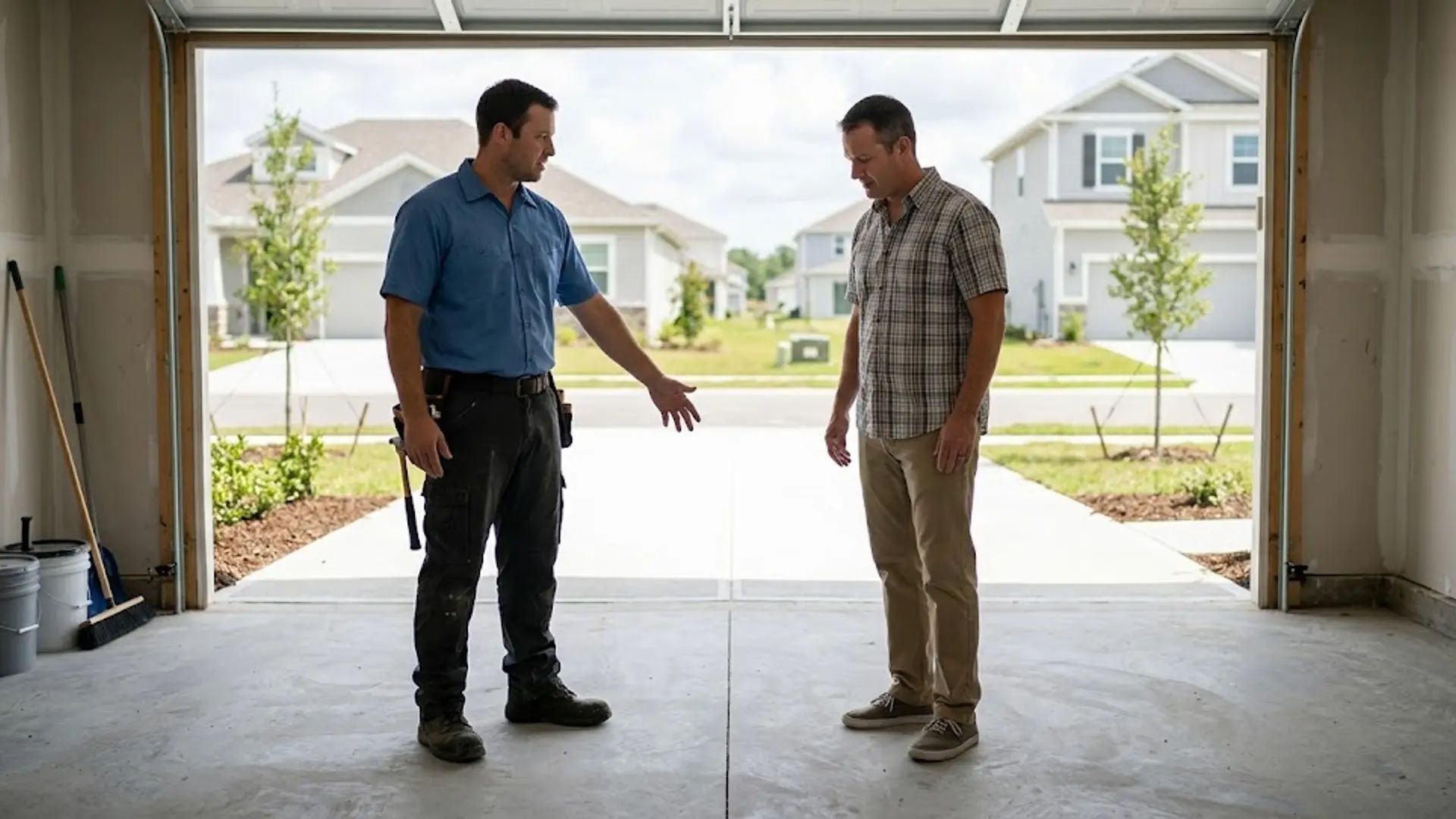
Whether your new slab is in Bentonville, Rogers, Fayetteville, Springdale, or elsewhere across 12 Point's Northwest Arkansas service area, the team can test it and get you on the schedule so you're ready the day the concrete is. Once it's ready, installation takes just a single day. Every project uses polyurea and polyaspartic systems, which are four times stronger than epoxy and backed by a 15-year residential warranty.
Call (479) 789-0812 to schedule a free assessment for your new slab, wherever you are in Northwest Arkansas.