Common Epoxy Floor Coating Problems You Should Know About
Epoxy is a popular option for garages, basements, and other concrete surfaces, but not every epoxy coating performs the same way. Product quality, concrete preparation, temperature, and moisture conditions all affect how well a floor holds up over time.
For homeowners throughout Northwest Arkansas, including Bella Vista, Bentonville, Fayetteville, Rogers, and Springdale, understanding common epoxy flooring problems can help prevent costly mistakes.
From slow curing and cold-weather installation challenges to peeling, hot tire pickup, and discoloration, here's what to consider before choosing a concrete floor coating.
Slow Epoxy Cure Times
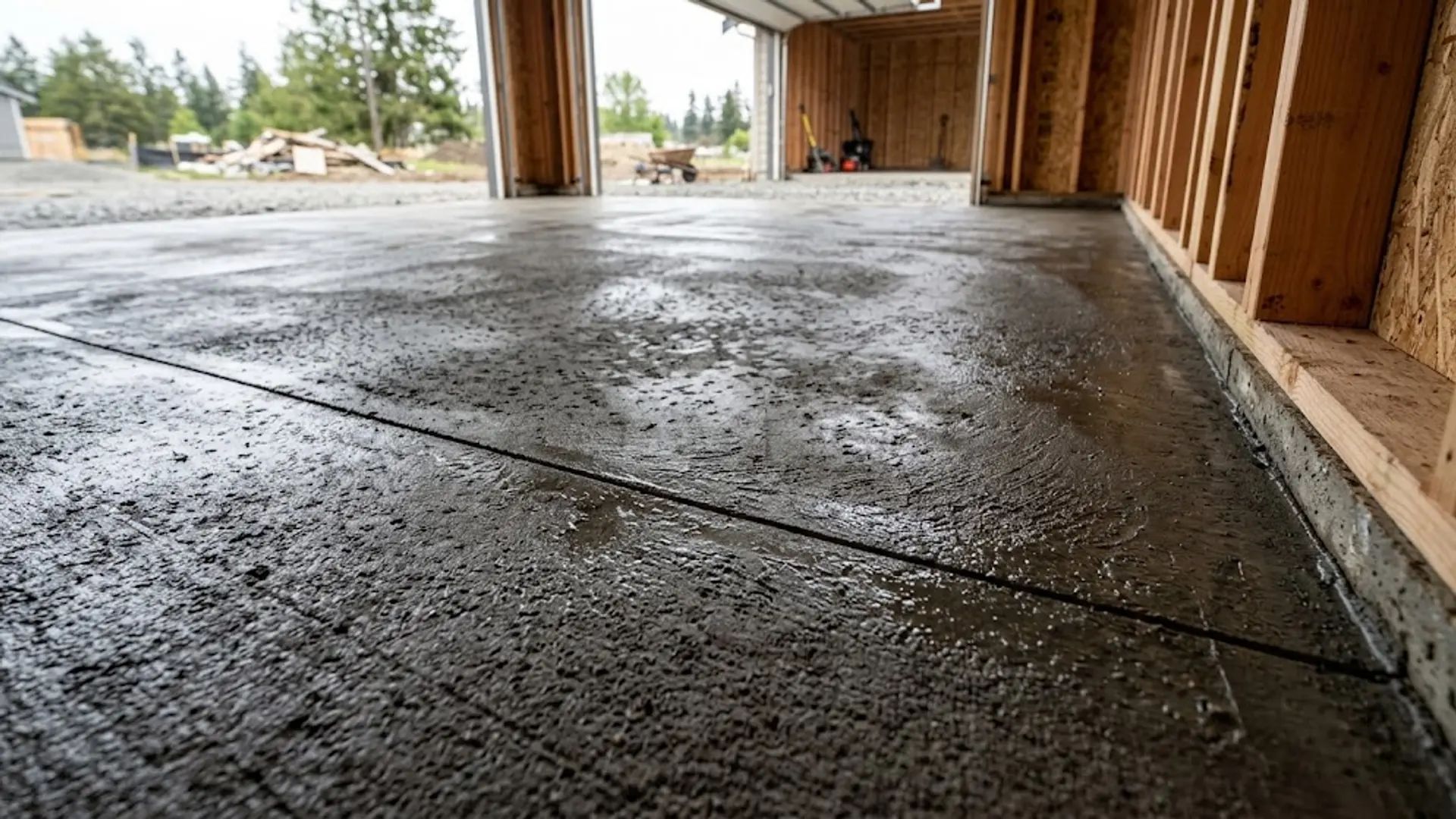
One drawback of traditional epoxy flooring is the time required for the coating to cure before normal use.
Curing is the chemical process that allows epoxy resin and hardener to develop their intended performance properties. It is different from simply feeling dry to the touch.
Depending on the product, temperature, and application conditions, some epoxy coatings allow light foot traffic within approximately 12 to 36 hours. Heavier traffic and full curing may take several additional days.
For homeowners who rely on their garage for daily parking, storage, or workshop activities, that downtime can be inconvenient.
Not every epoxy product has the same curing schedule. Fast-curing formulations are available, so homeowners should review the specific manufacturer's instructions rather than assume all epoxy floors require identical waiting periods.
12 Point Concrete Coatings installs faster-curing polyurea and polyaspartic systems. Most qualifying installations are completed in one day, with lighter items generally returning after 24 hours and vehicles or heavier objects after approximately 48 hours.
The installation team should always confirm the appropriate return-to-use schedule for the specific project.
Cold-Weather Installation Limits
Epoxy coatings are also sensitive to temperature during application and curing.
Many standard epoxy products require the concrete surface and surrounding air to remain at or above a specified minimum temperature. For some formulations, that minimum is approximately 50°F.
However, specialty low-temperature epoxies are available, so there is no single minimum temperature that applies to every product.
Cold conditions can create several installation challenges:
- Slower curing and longer waiting periods
- More difficult material handling and application
- Condensation when the concrete temperature approaches the dew point
- Potential adhesion or performance problems when manufacturer requirements are not followed
These factors matter in Northwest Arkansas, where winter temperatures can fall below the application limits of certain coating systems.
Polyaspartic coatings can offer more installation flexibility in colder conditions, depending on the specific formulation.
12 Point Concrete Coatings offers year-round installation options, but the actual concrete temperature, moisture conditions, weather, and product requirements must be evaluated before work begins.
Five Other Common Epoxy Floor Coating Problems
Beyond curing and installation temperature, epoxy floors can experience several performance issues over time.
1. Yellowing From UV Exposure
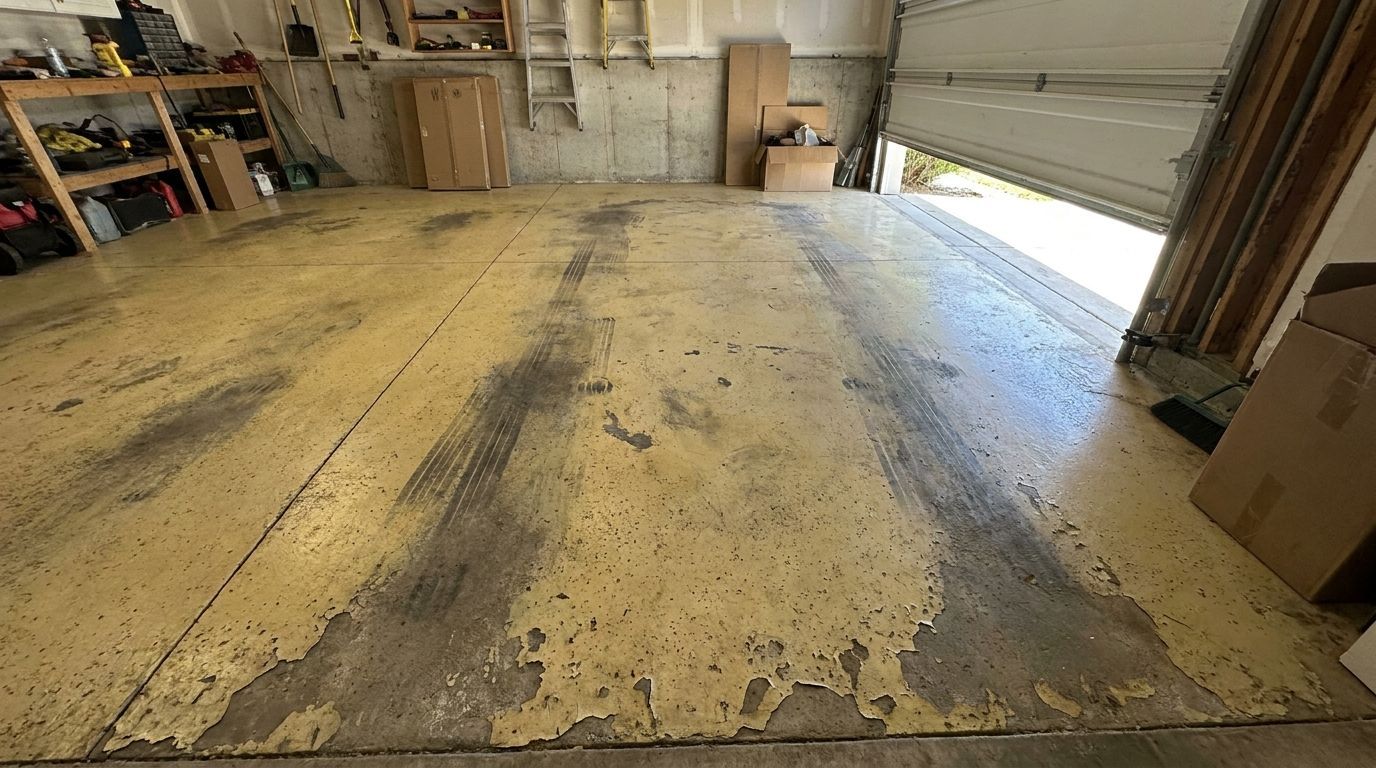
Some traditional epoxy formulations can yellow or discolor when exposed to direct sunlight.
Garage floors near open doors, windows, or other sources of UV exposure may show this discoloration over time.
UV-stable protective topcoats can help reduce the risk, but the specific materials matter.
12 Point Concrete Coatings uses polyaspartic topcoats designed to resist sunlight-related yellowing.
2. Peeling and Delamination
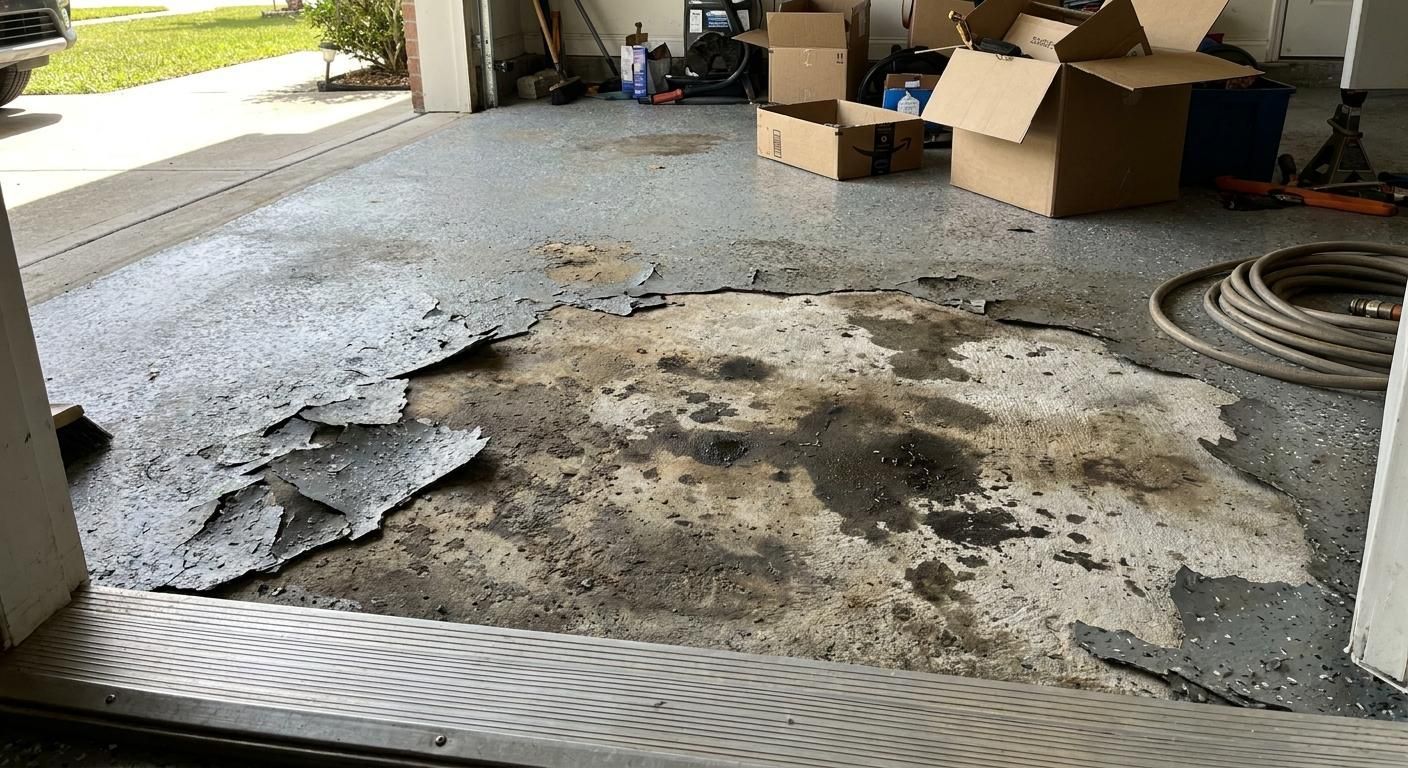
Peeling occurs when the coating loses adhesion to the underlying concrete.
Common contributing factors include inadequate surface preparation, contamination, excessive slab moisture, and improper application.
A professional epoxy coating can perform well when the substrate is suitable and the system is installed correctly. However, applying any coating over poorly prepared concrete increases the risk of failure.
12 Point mechanically prepares concrete using diamond grinding before installing its coating system.
3. Hot Tire Pickup
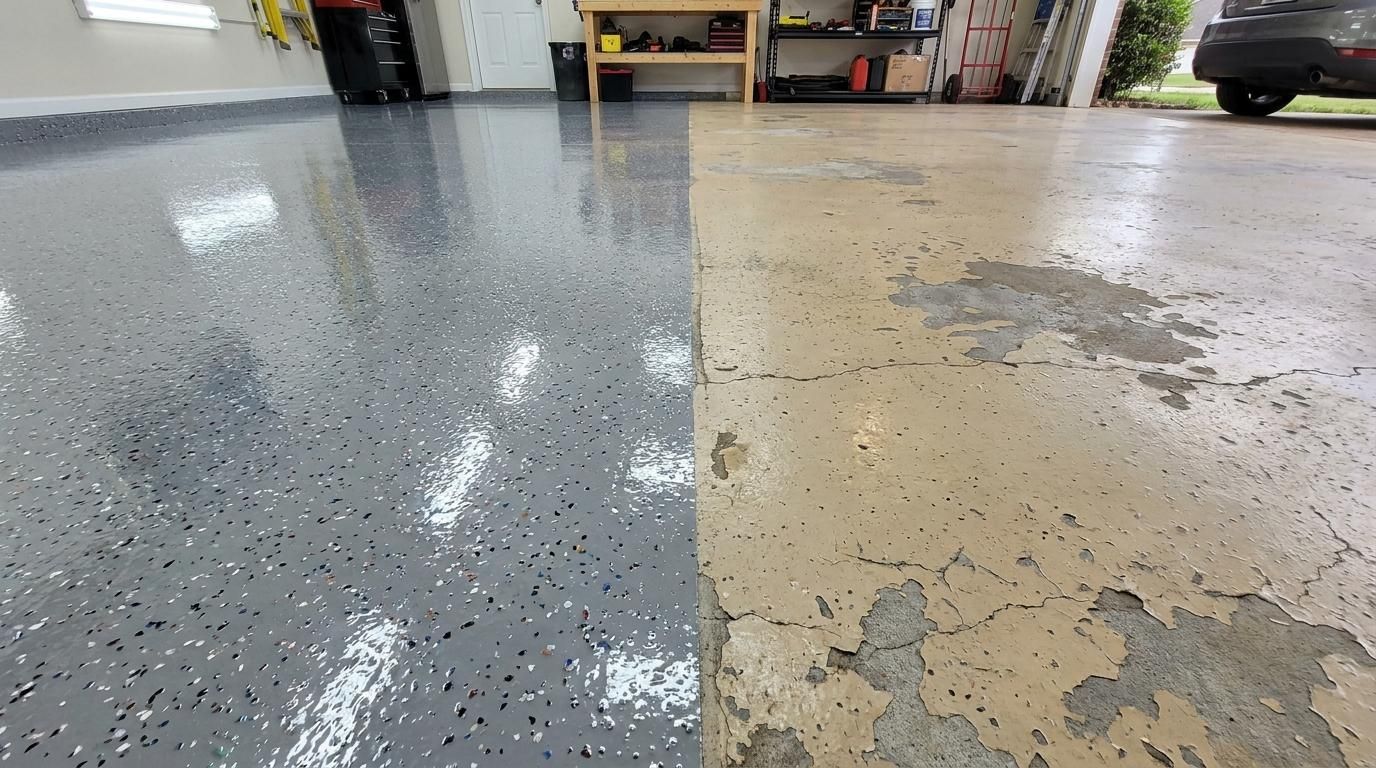
Hot tire pickup occurs when vehicle tires contribute to coating softening or adhesion failure, potentially lifting portions of the finish as the vehicle moves.
The risk depends on the coating formulation, curing conditions, concrete preparation, and exposure.
Professionally installed coatings designed for regular garage traffic generally provide better protection than basic products not intended for demanding vehicle use.
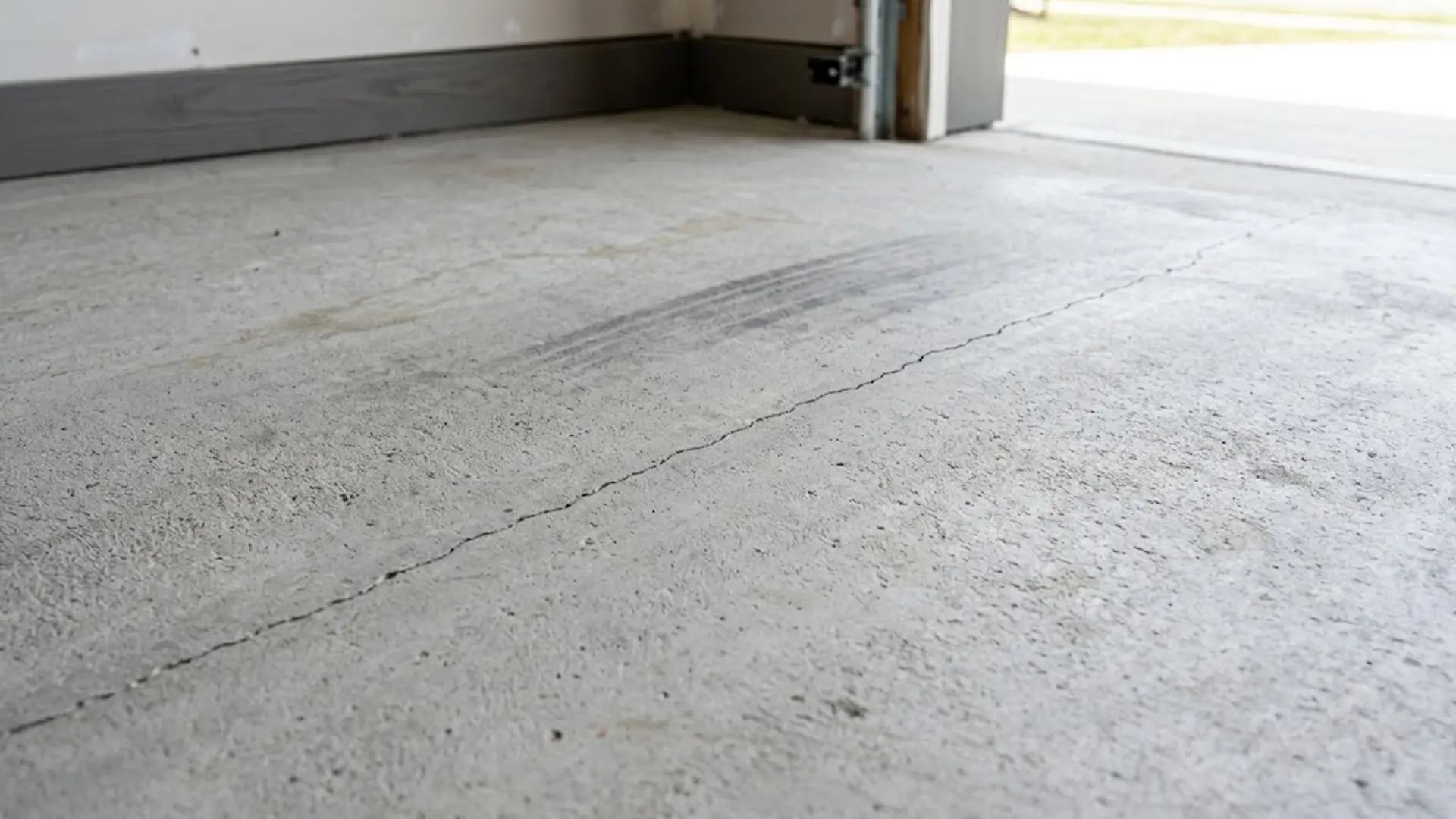
4. Cracking From Concrete Movement
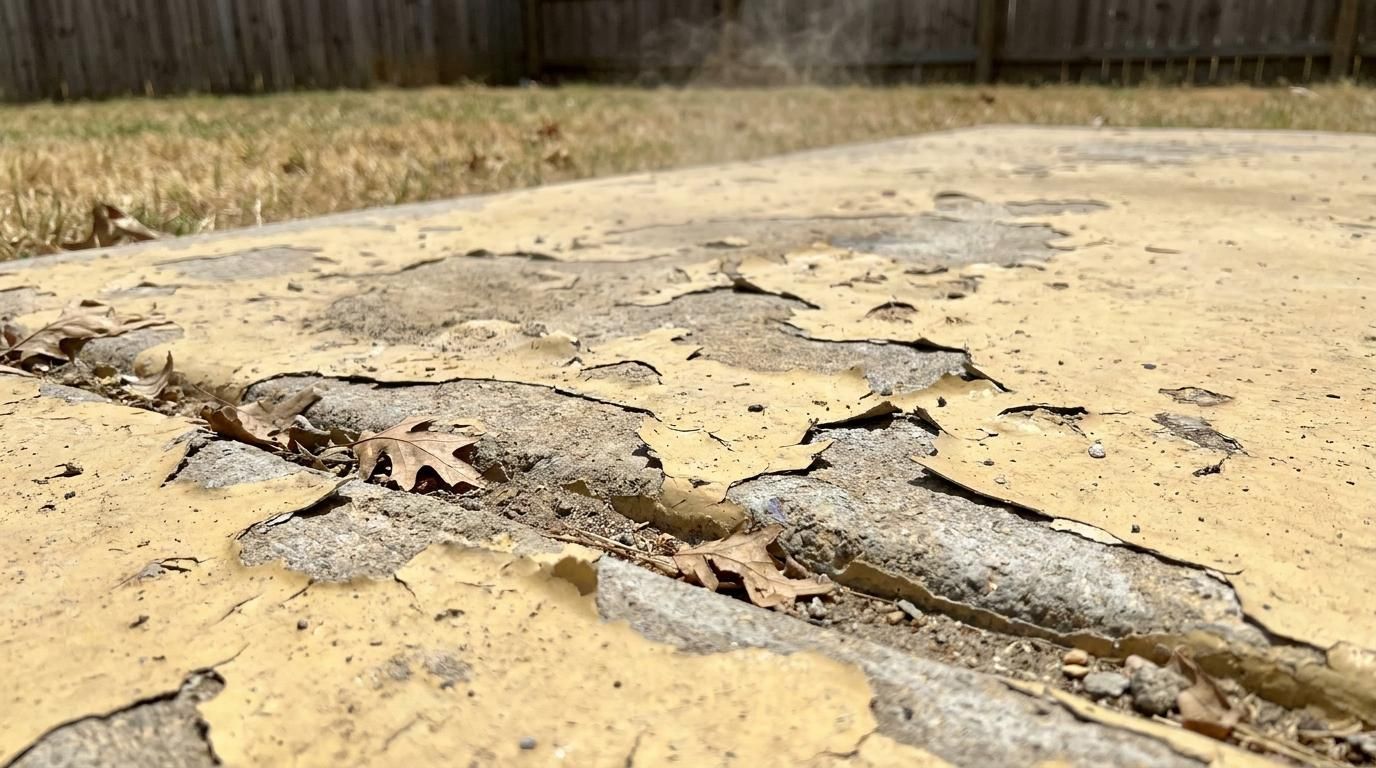
Concrete can expand, contract, and develop cracks because of temperature changes, settlement, and other conditions.
Some relatively rigid coating systems may crack when the underlying slab moves.
Certain polyurea formulations offer greater flexibility than traditional epoxy products, but no decorative coating can prevent structural settlement or repair unstable concrete.
Existing cracks and movement should be evaluated before installation.
5. Moisture Damage and Blistering
Moisture moving through a concrete slab can interfere with coating adhesion and contribute to bubbling, blistering, or delamination.
These problems can affect epoxy and other resinous coating systems when the slab's moisture conditions exceed the selected product's limits.
A coating does not replace foundation waterproofing or correction of active water intrusion.
Proper moisture assessment and surface preparation are essential before installation.
How Polyurea and Polyaspartic Coatings Compare
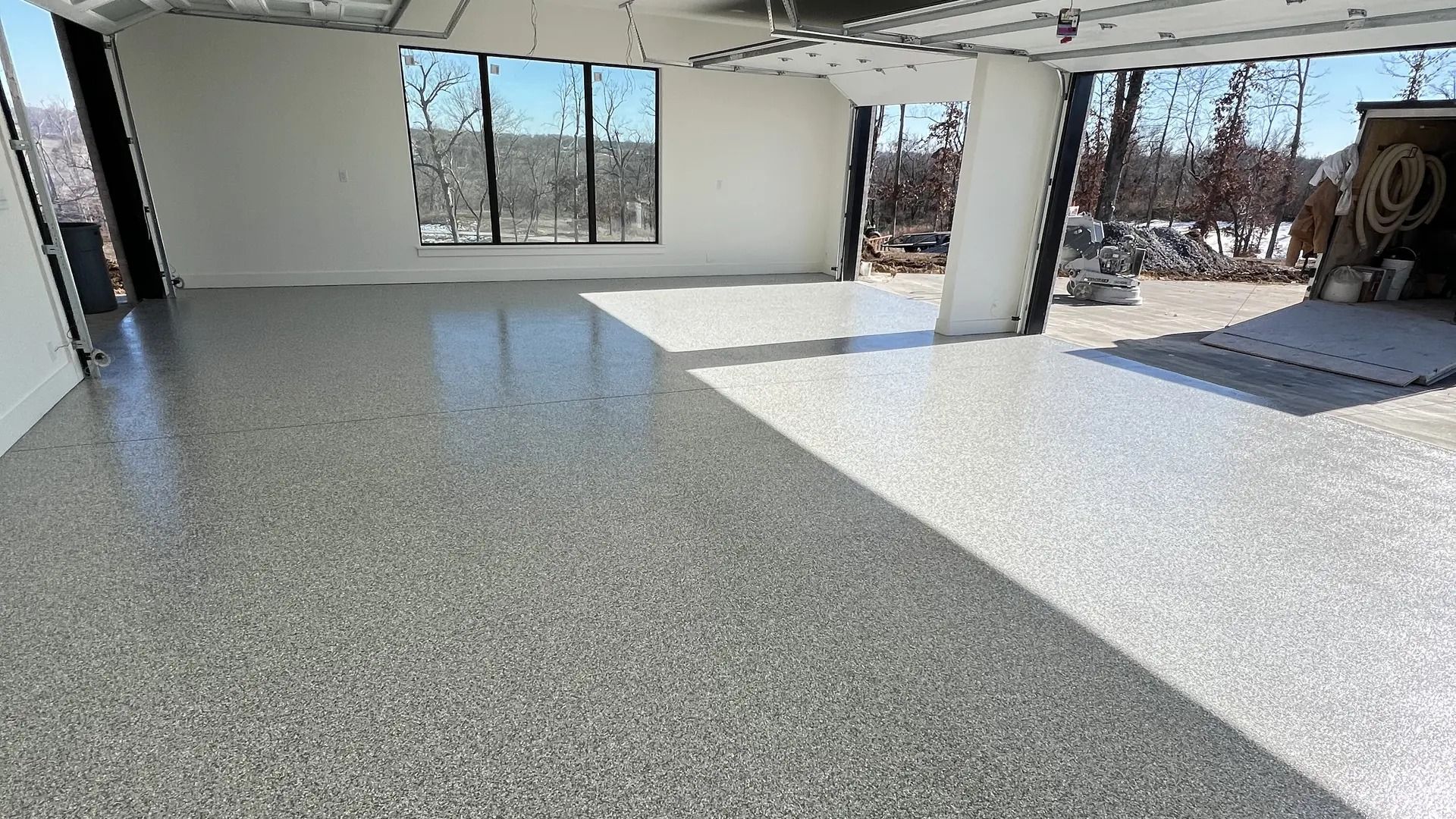
12 Point Concrete Coatings specializes in Valence Protective Coatings polyurea and polyaspartic systems rather than traditional epoxy installations.
Its five-step installation process includes:
- Mechanically grinding and preparing the concrete.
- Repairing suitable cracks, chips, and surface imperfections.
- Applying a polyurea base coat.
- Broadcasting decorative flakes and removing excess material.
- Applying a protective polyaspartic topcoat.
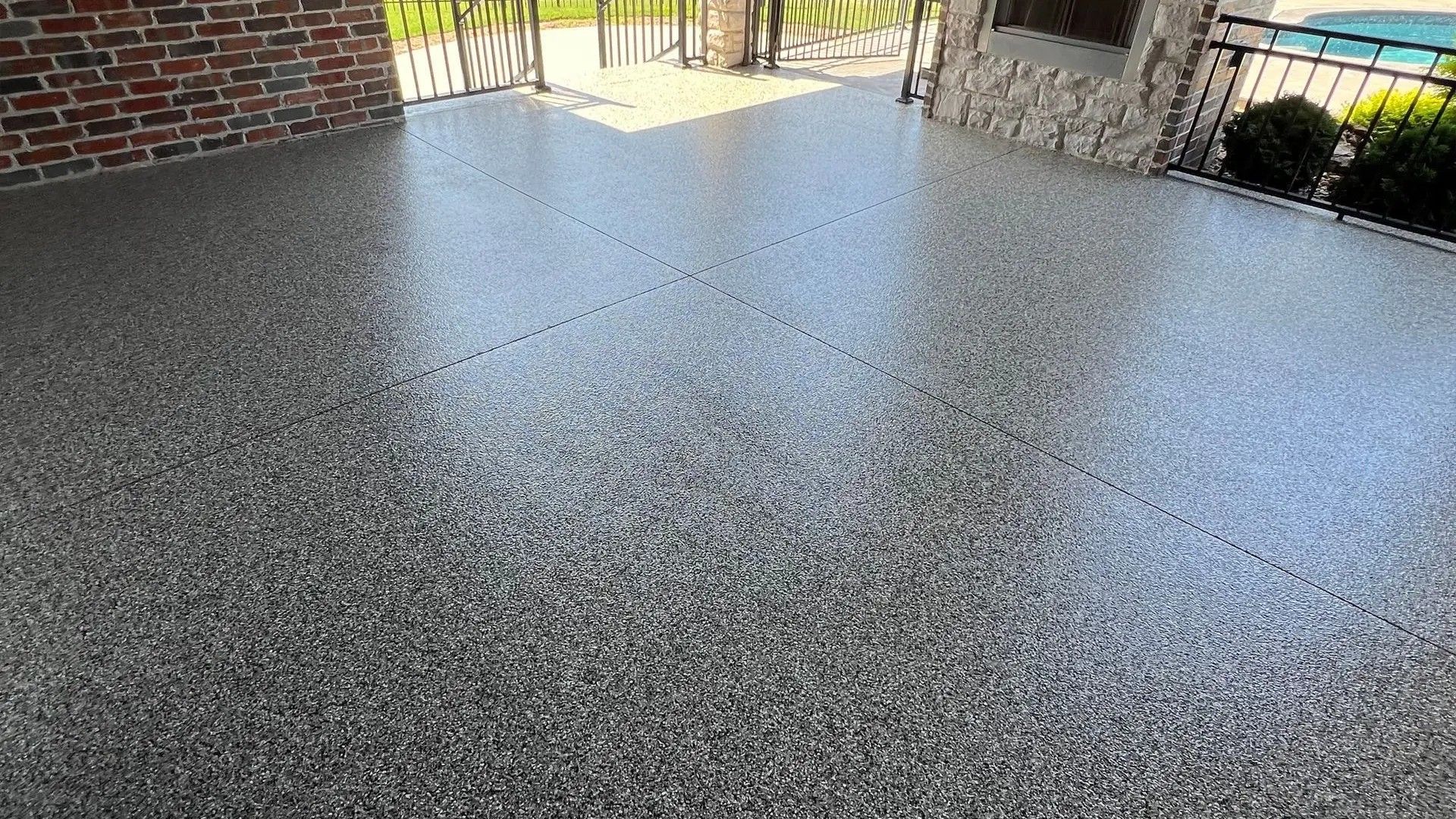
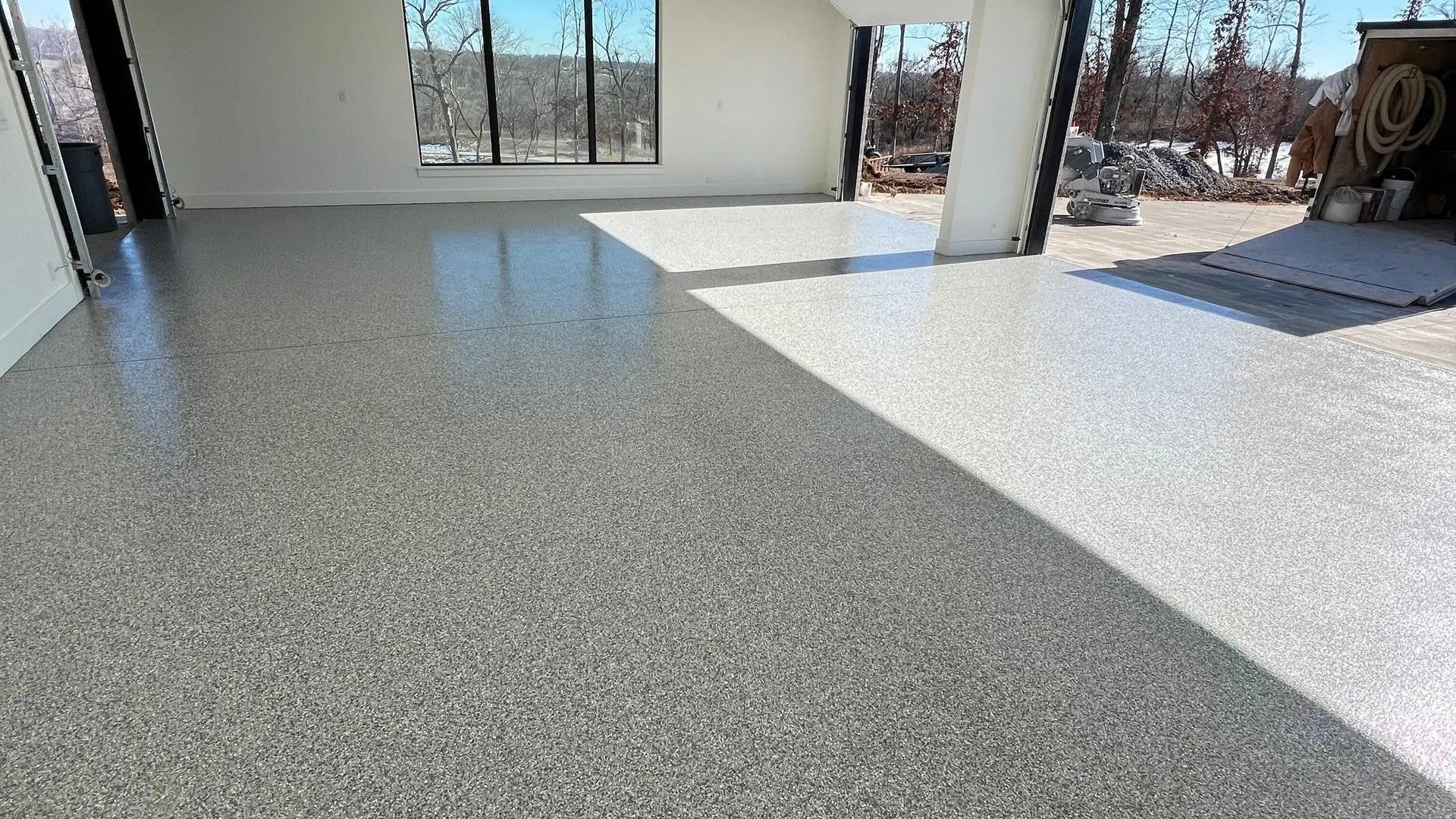
The combination provides a durable, decorative surface designed for everyday wear, UV exposure, and easier cleaning.
Compared with many conventional epoxy systems, the polyurea and polyaspartic approach can offer faster curing and greater flexibility in installation scheduling.
However, performance still depends on the condition of the concrete, the exact products used, and proper installation.
What About the Warranty?
12 Point Concrete Coatings offers a 15-year warranty for eligible Valence coating systems, subject to the applicable written terms.
Its published warranty also describes lifetime UV yellowing and fading coverage for qualifying installations using the required Valence materials.
These warranties have specific conditions and exclusions. They should not be interpreted as guarantees against every type of damage or concrete problem.
Homeowners can review the published warranty details before choosing a coating.
Frequently Asked Questions
Can a Failed Epoxy Floor Be Recoated With Polyurea?
In many cases, yes, provided the existing concrete is suitable.
Failing epoxy should be evaluated and removed as needed before a new system is installed. Applying a new coating directly over peeling or poorly bonded material can cause the new system to inherit the same adhesion problems.
12 Point Concrete Coatings uses mechanical grinding to prepare concrete before applying its polyurea base coat.
Does Polyurea Last Longer Than Epoxy?
Polyurea and polyaspartic coatings can provide long-lasting performance when properly installed and maintained.
However, actual lifespan depends on the coating formulation, concrete condition, traffic, chemical exposure, and maintenance.
A warranty period is not the same as a guaranteed service life. Comparing the materials, installation process, and written warranty is more useful than relying on a single lifespan estimate.
Can Epoxy Flooring Be Installed During Winter?
Yes, certain epoxy formulations can be installed in colder weather when their temperature and curing requirements are met.
However, standard products may require warmer concrete or a controlled installation environment. Lower temperatures can also extend curing times.
Some polyaspartic systems allow lower-temperature installation, but professional evaluation remains necessary.
Is a DIY Epoxy Kit a Good Option for a Garage?
A DIY kit may be suitable for homeowners seeking a lower-cost cosmetic improvement and who are prepared to follow the manufacturer's surface preparation and curing instructions.
For garages with daily vehicle traffic, existing coating failures, or challenging concrete conditions, professional preparation and installation may provide better long-term value.
Avoid Common Epoxy Flooring Problems in Northwest Arkansas
Understanding epoxy flooring limitations can help you make a more informed decision before investing in a new concrete coating.
Slow cure times, cold-weather installation requirements, peeling, yellowing, and moisture-related failures are all factors worth considering. The best system depends on the specific concrete surface and how the space will be used.
12 Point Concrete Coatings is a family-owned business providing professional polyurea and polyaspartic coating systems throughout Northwest Arkansas, including Bella Vista, Bentonville, Fayetteville, Rogers, and Springdale.
Call (479) 789-0812 or contact 12 Point Concrete Coatings to request a free quote and discuss the right coating system for your garage, basement, patio, or other concrete surface.