Interlocking Garage Floor Tiles vs. Polyaspartic Coatings: Which Is Better for Northwest Arkansas Homes?
Interlocking Garage Floor Tiles vs. Polyaspartic Coatings: Which Is Better for Northwest Arkansas Homes?
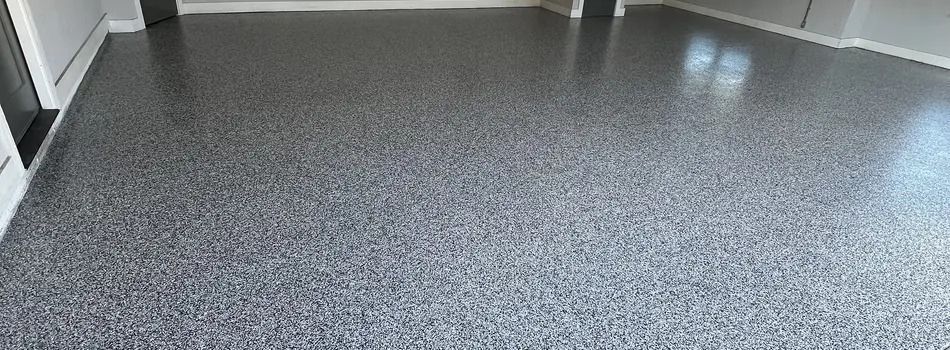
Homeowners across Northwest Arkansas researching garage floor upgrades usually land on two very different options: snap-together interlocking tiles or a professionally applied polyaspartic coating system. Both can transform a worn concrete garage floor, but they solve the problem in different ways. The right choice depends on your slab condition, how much water and debris your garage sees, whether you want a removable surface, and how much of the project scope you want handled for you. This article compares the two approaches honestly, including where each one has a real advantage.
What Each System Actually Involves
Interlocking garage tiles are modular plastic pieces that snap together over your existing slab. They typically come in two styles: solid-surface tiles and perforated tiles, and manufacturers recommend different designs depending on whether the floor needs to support vehicle parking. Because the tiles float on top of the concrete rather than bonding to it, the system can be taken apart later for cleaning, relocation, or to swap out a damaged piece.
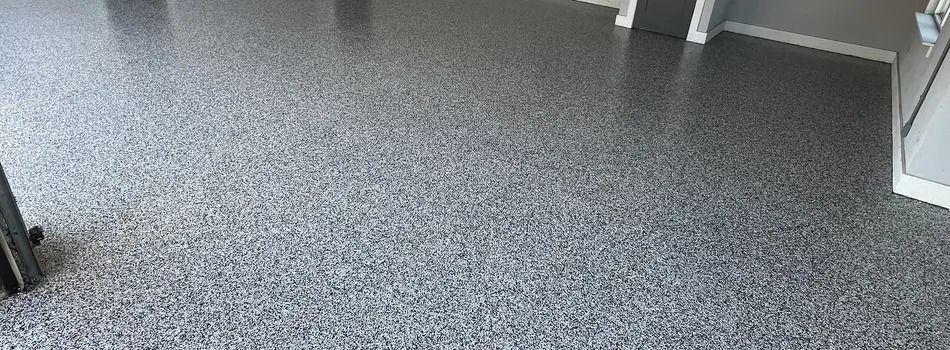
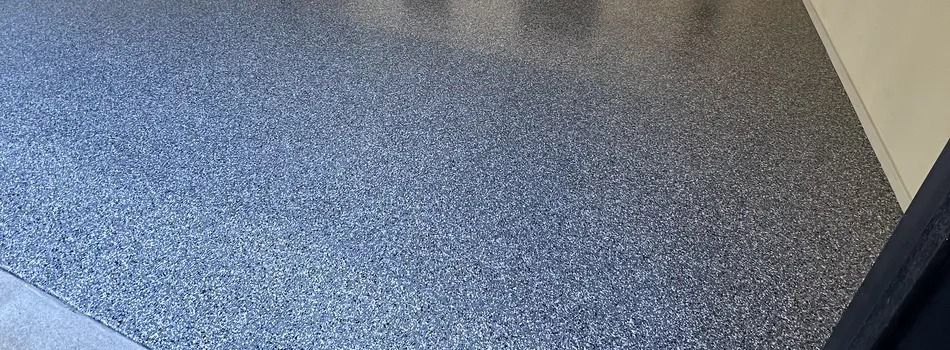
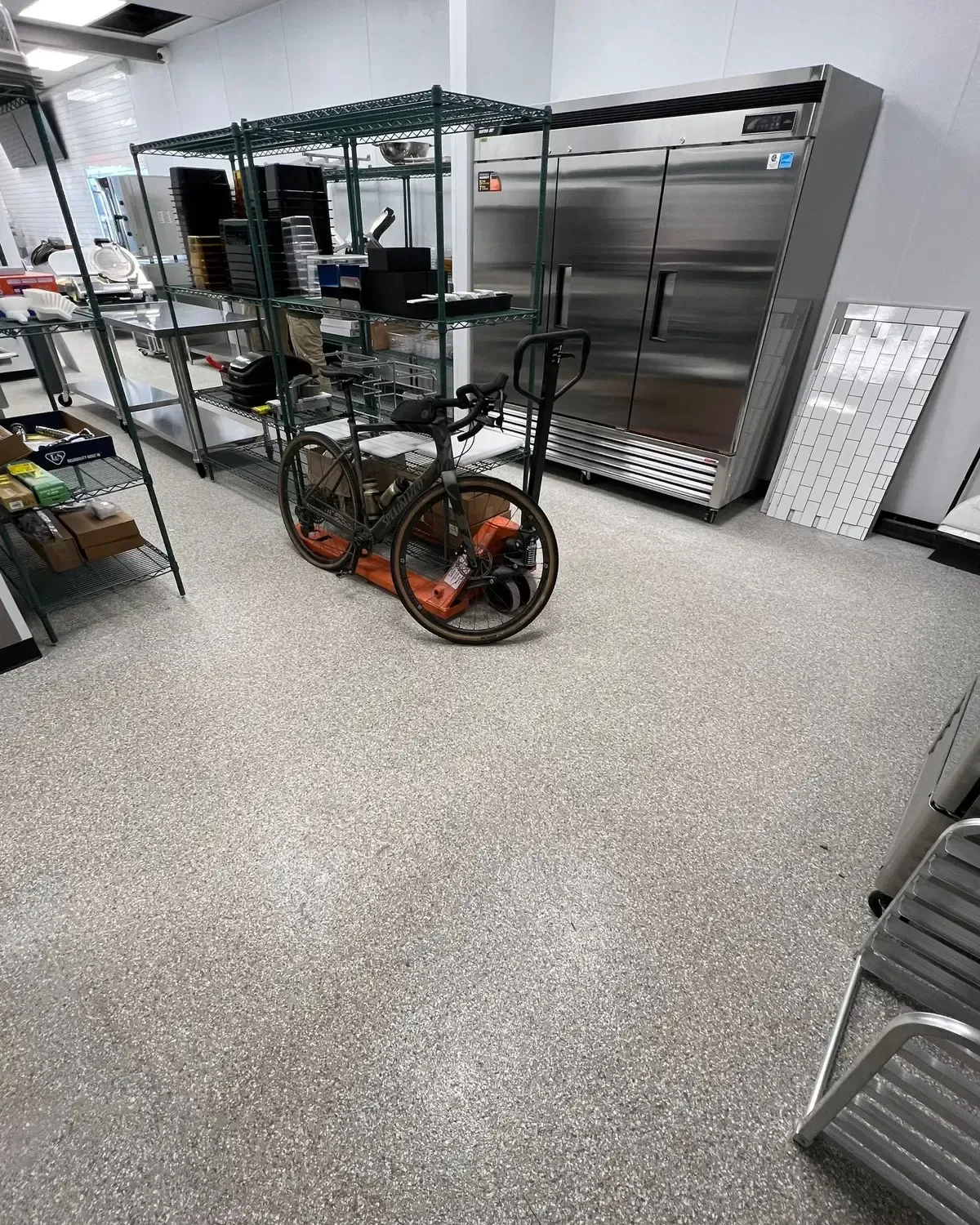
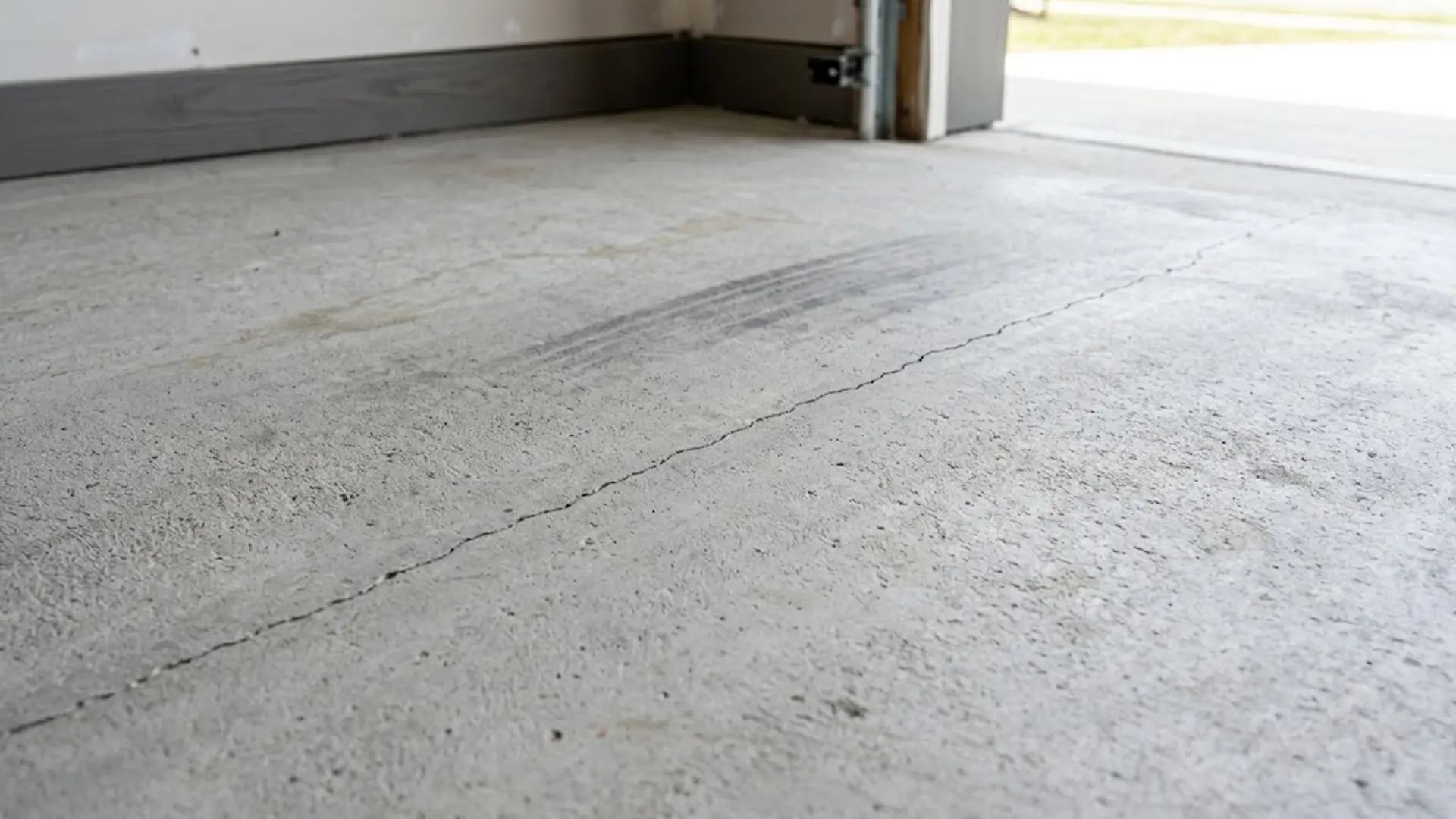
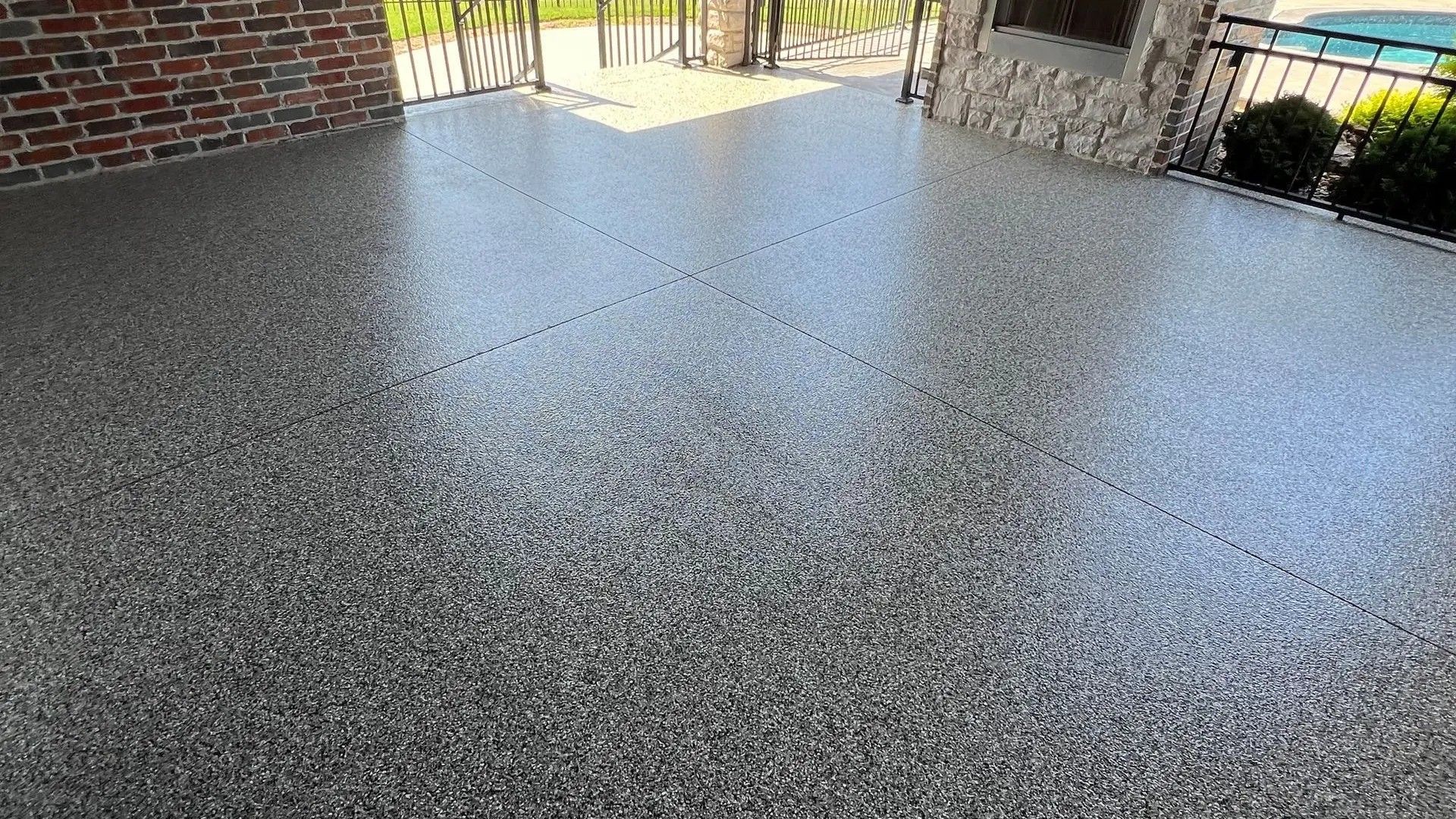
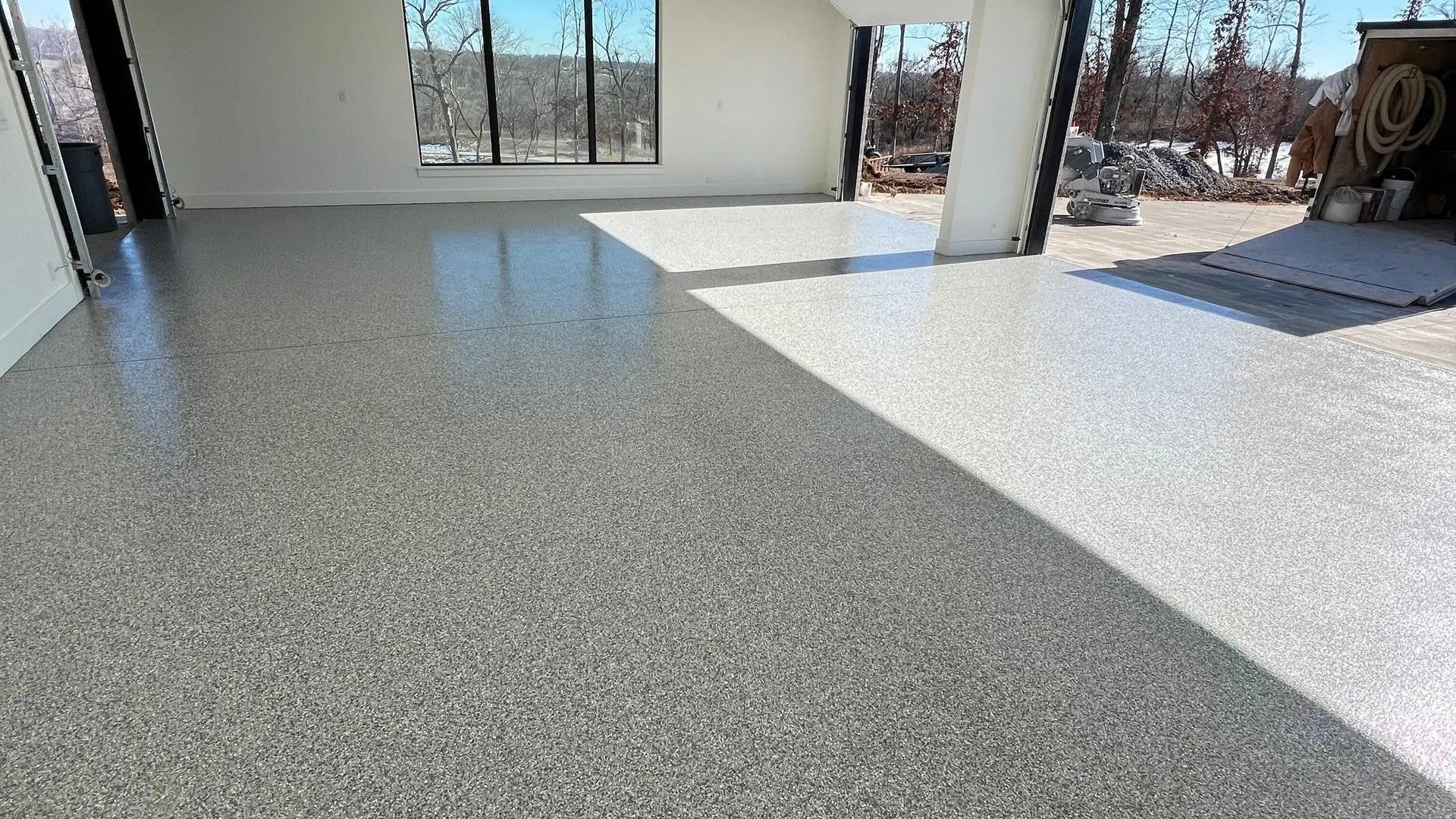
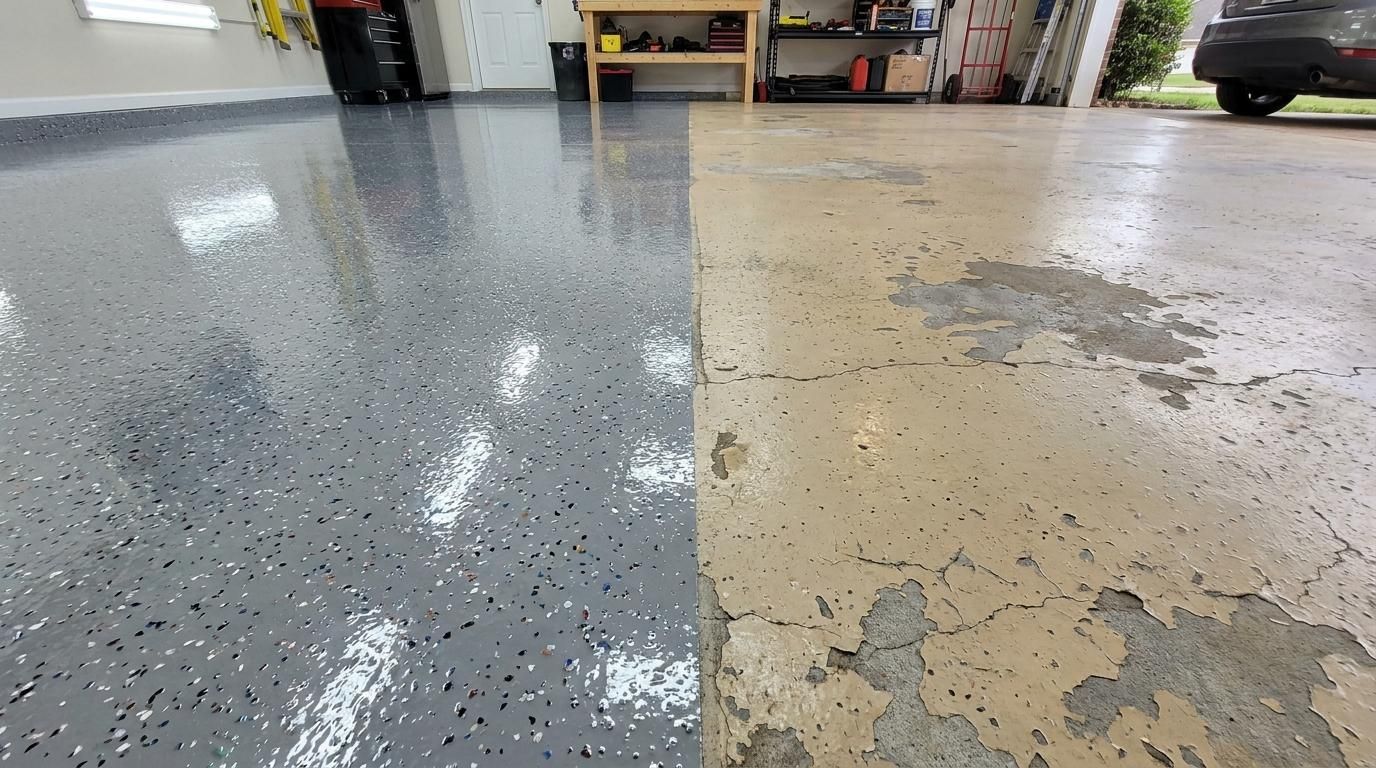
A polyaspartic coating works differently because it becomes part of the floor rather than sitting on top of it. 12 Point Concrete Coatings' documented process starts with diamond grinding the concrete, then repairing and smoothing cracks or chips before applying a polyurea base coat, decorative flakes, and a polyaspartic topcoat. That layered system is worth understanding before comparing it to a single coat of material, since the finished floor is really a combination of surface preparation and multiple product layers working together.
Water, Moisture, and Substrate Readiness
Water handling is one of the most practical differences between the two options. Perforated interlocking tiles are designed to let water and debris pass through to the slab below rather than trap it on the surface, while solid-tile seams are generally not watertight. That means water can still reach the concrete underneath a tile floor; the tiles simply give it somewhere to go rather than sealing it out.
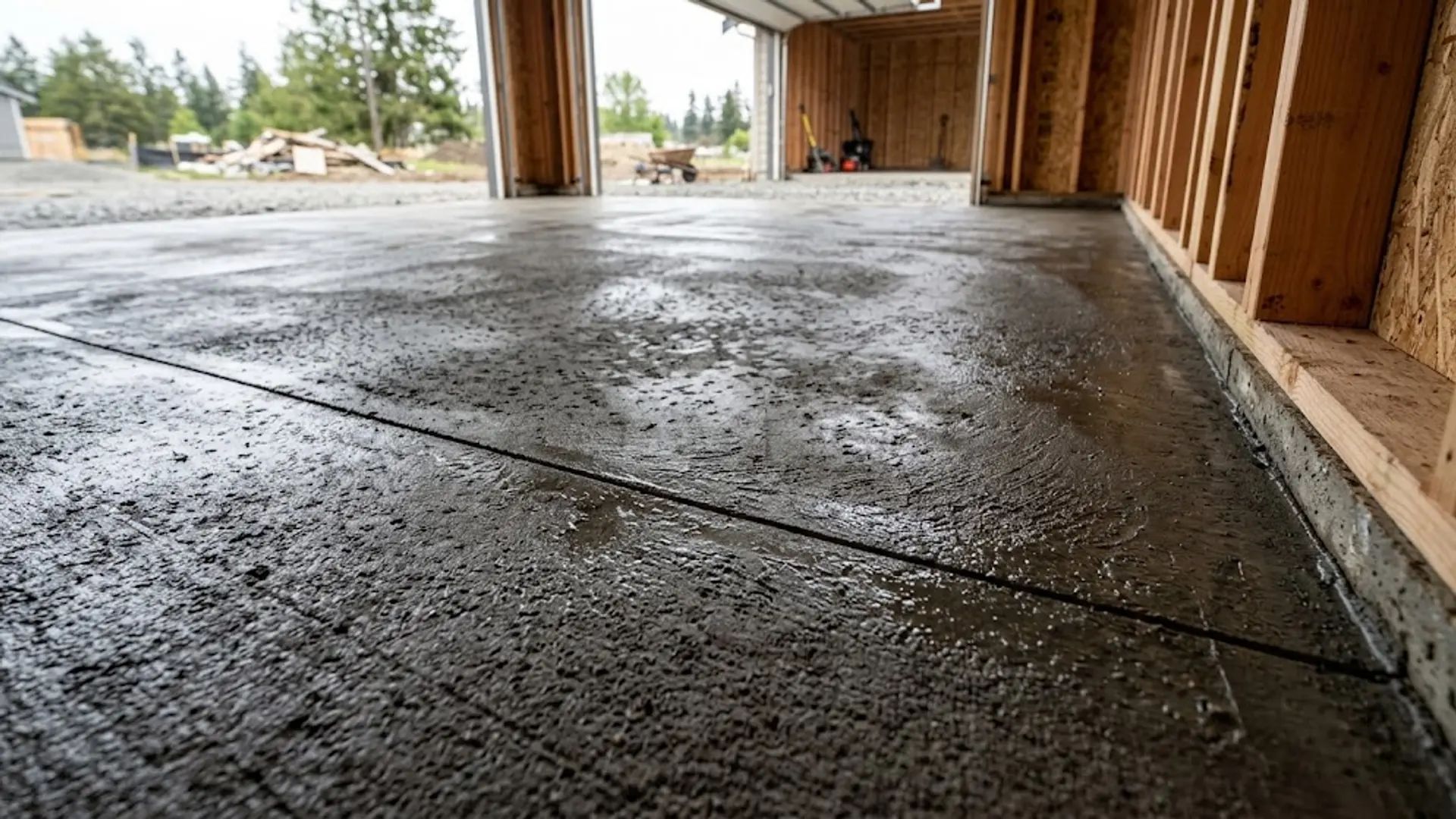
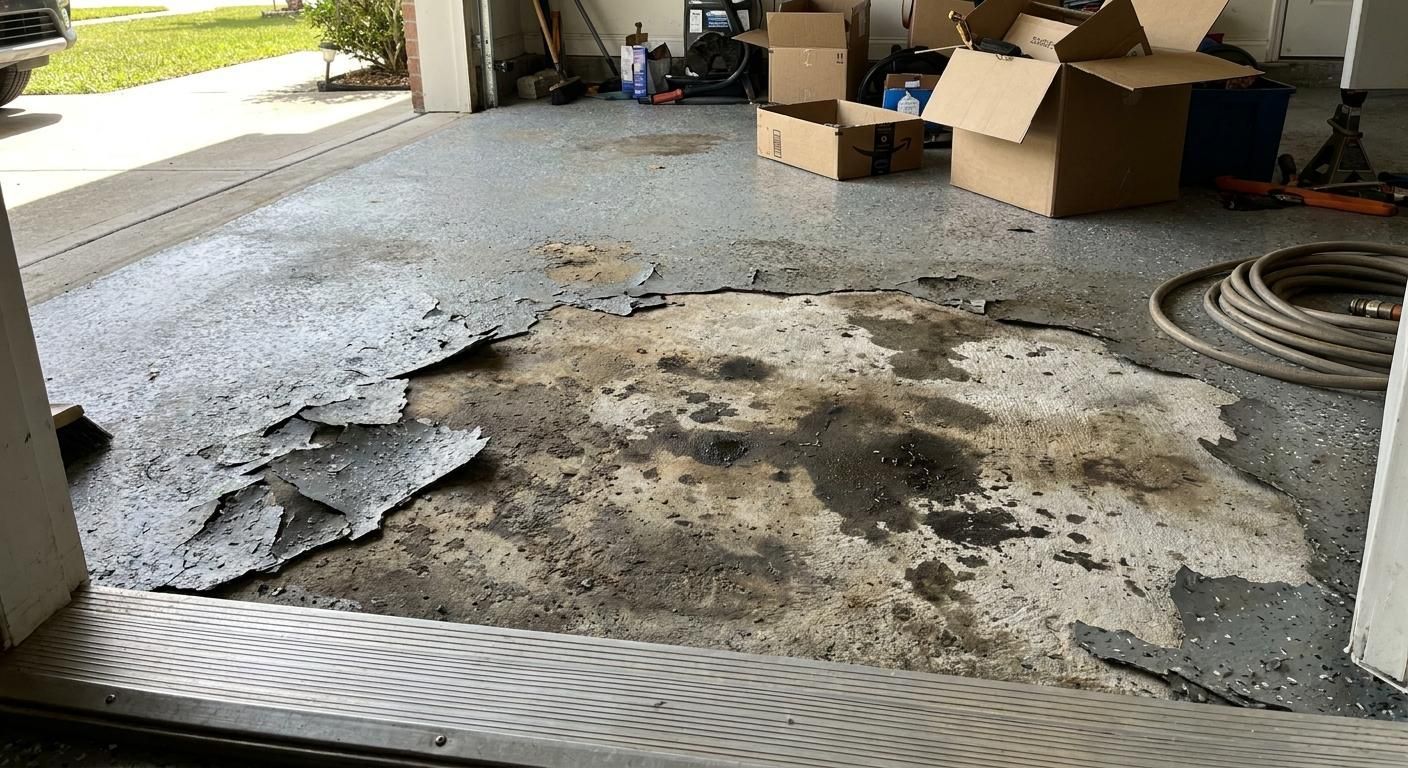
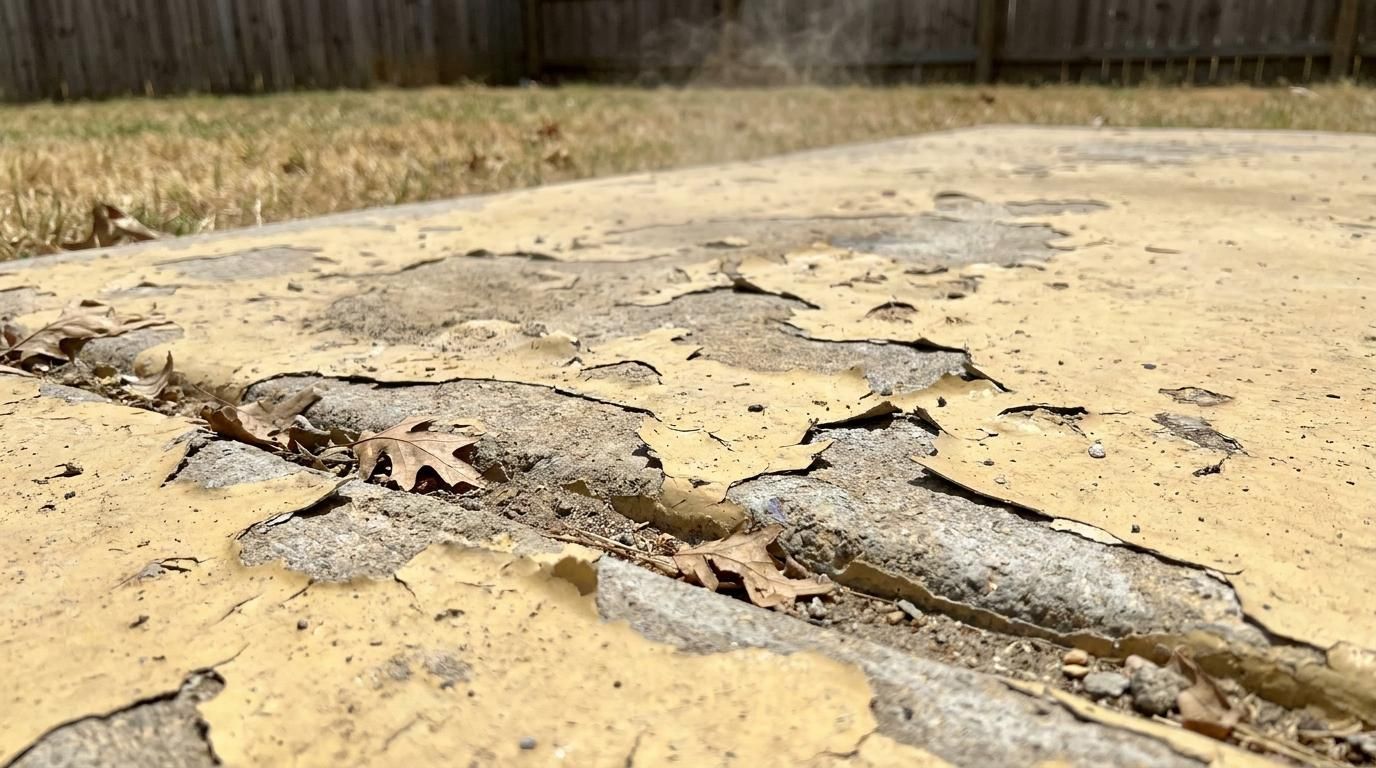
A bonded coating takes the opposite approach by sealing the surface, which makes substrate readiness critical. Industry surface-preparation guidance for resinous flooring calls for assessing the substrate, mechanically preparing it, and evaluating concrete moisture before any coating is applied. A moisture-resistant finished surface does not mean every slab is automatically ready for bonding, which is exactly why preparation steps like diamond grinding and crack repair matter before a topcoat goes down.
- How it sits on the slab: Interlocking Tiles: Floats on top, not bonded. Polyaspartic Coating System: Bonds to the prepared concrete.
- Water handling: Interlocking Tiles: Perforated designs let water pass through to the slab; solid designs are not watertight at the seams. Polyaspartic Coating System: Seals the surface after proper substrate preparation.
- Repair or changes later: Interlocking Tiles: Individual pieces can be removed, cleaned, or replaced. Polyaspartic Coating System: Repairs are addressed as part of the coating system rather than piece by piece.
- Preparation needed: Interlocking Tiles: Minimal slab prep in most cases. Polyaspartic Coating System: Diamond grinding and crack repair before coating.
Timing and Getting Your Garage Back
Installation speed is often a deciding factor, but it is worth separating "installed" from "ready to use." For qualifying projects, 12 Point Concrete Coatings can complete a garage floor coating in one day, though not every project qualifies for that timeline. According to the company's published FAQ, lighter belongings can typically go back into the garage after 24 hours, while vehicles and heavier items should wait 48 hours. Those are two separate milestones, and planning around both helps avoid putting weight on a floor before it is ready.
Interlocking tiles generally allow faster return to use since there is no cure time involved, though floating tile systems still need proper installation, including expansion clearance around walls and fixed objects and allowing tiles to acclimate to room temperature before snapping them together, particularly if they arrive cold.
Warranty Coverage and Long-Term Ownership
12 Point Concrete Coatings backs its installations with a 15-year warranty covering peeling, chipping, and defects. A separate Residential Limited Lifetime Warranty addresses UV yellowing or fading specifically, and it applies when qualifying Valence Protective Coatings products are used with the specified basecoat, mender, and full-flake broadcast. These are two distinct warranties covering two distinct issues, not one open-ended guarantee, so it is worth understanding what each one actually protects.
Interlocking tiles offer a different kind of long-term value: because individual pieces can be disassembled, a damaged section can potentially be replaced without redoing the whole floor, and the flooring can be taken along if you move. That modularity is a genuine advantage for homeowners who value flexibility over a permanently bonded finish.
A Few Practical Considerations
- Northwest Arkansas sees both freezing winter conditions and hot summers, so any garage flooring choice should hold up to that temperature swing over the seasons.
- If you plan to use your garage for vehicle maintenance, check manufacturer guidance on concentrated loads. Some tile systems recommend a rigid load-distribution piece under a jack stand depending on vehicle weight, rather than relying solely on a tile's general rollover rating.
- Because tile pricing and coating project pricing cover different scopes, from fitting and edging on a tile floor to surface preparation on a coating project, it is more useful to compare complete, same-area project quotes than to compare a material price against an installed price.
Getting the Right Answer for Your Garage
There is no universal winner between interlocking tiles and a polyaspartic coating system. The better fit comes down to your slab's condition, how much water and vehicle traffic the garage sees, whether you want a removable floor, and how much of the project you want handled from preparation through final coat. For homeowners who want a seamless, bonded finish backed by a documented preparation process, a professionally installed polyaspartic coating system is typically the better match.
Talk Through Your Garage Floor Options
12 Point Concrete Coatings is a family-owned, owner-operated business serving Northwest Arkansas, including Fayetteville, Bentonville, Rogers, Springdale, and Bella Vista. Chase personally installs every job, backed by a 15-year warranty on peeling, chipping, and defects. If you are weighing interlocking tiles against a polyaspartic coating for your garage, call (479) 789-0812 to talk through what your slab and garage actually need.