6 Downsides of Epoxy Flooring: Honest Breakdown & Better Alternatives
After installing and inspecting garage floors across Northwest Arkansas, 12 Point Concrete Coatings has seen what happens to epoxy coatings after a few years of real use—and it rarely matches the sales pitch. Epoxy is the most recognized name in garage flooring, but recognition and performance aren't the same thing.
Homeowners in Bentonville, Fayetteville, and the surrounding NWA area deserve a straight answer about where epoxy falls short. We share six of its genuine downsides and what actually holds up better.
6 Real Downsides of Epoxy Flooring
Epoxy is the default recommendation at most home improvement stores, but popularity doesn't equal performance, especially in a climate like Northwest Arkansas where coatings are pushed to their limits every season.
1. UV Yellowing and Fading
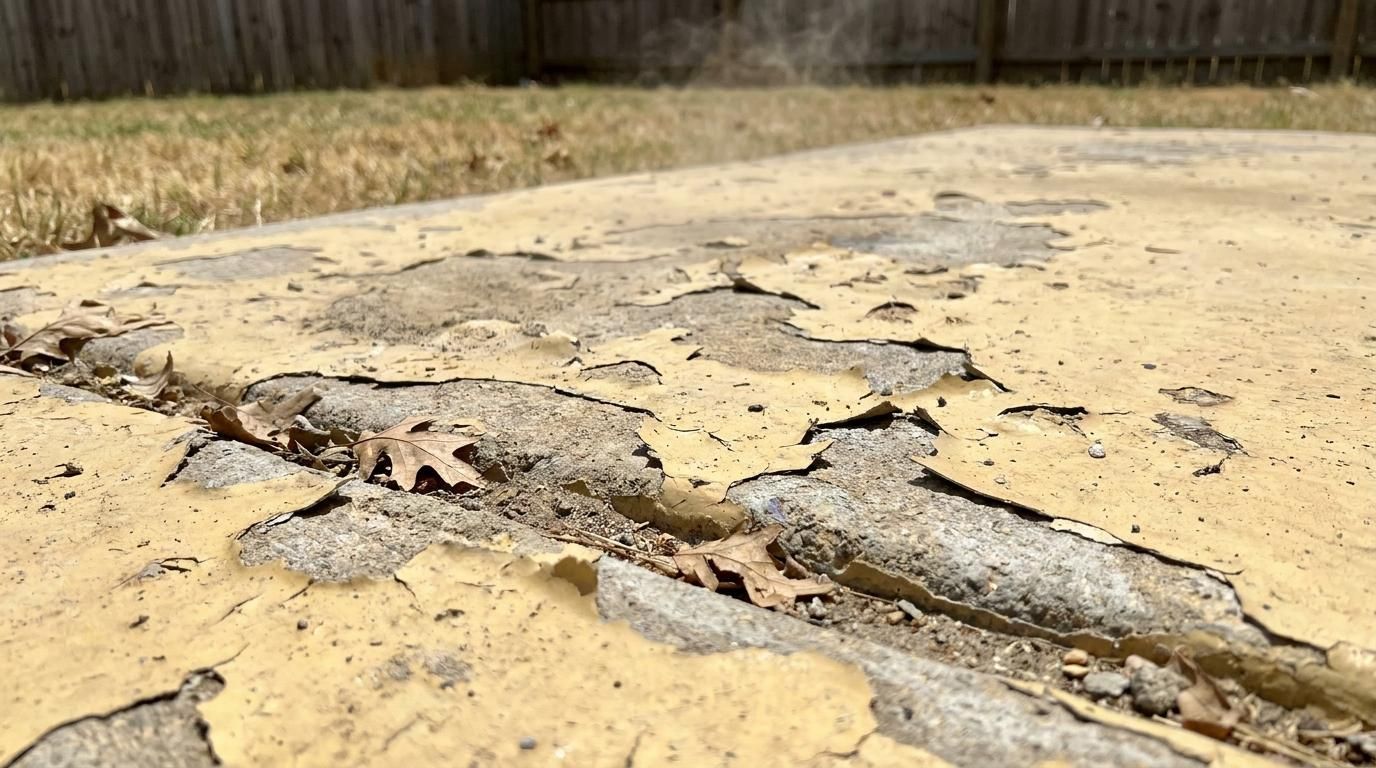
Standard epoxy resin breaks down under ultraviolet light. Garage floors that see sunlight through open doors or windows often develop a yellow, chalky appearance within a few years. This is chemical degradation in the resin itself. While some topcoats can slow the process, they can’t stop it entirely.
For homeowners who use the garage as a workshop or hangout space with the door up, discoloration becomes impossible to ignore.
2. Slow Cure Times
A typical epoxy garage floor needs to cure for two to three full days before anything can touch it. That means no vehicles, no foot traffic, and no stored items moved back in. For households that rely on their garage for parking and storage, that downtime is a real inconvenience, especially compared to faster-curing residential coating systems that can return to service in under 24 hours.
3. Cracking and Peeling in Temperature Swings
Epoxy cures into a rigid film with limited flexibility. In NWA, where summer temperatures regularly exceed 90°F and winter lows drop below freezing, concrete slabs expand and contract with every cycle.
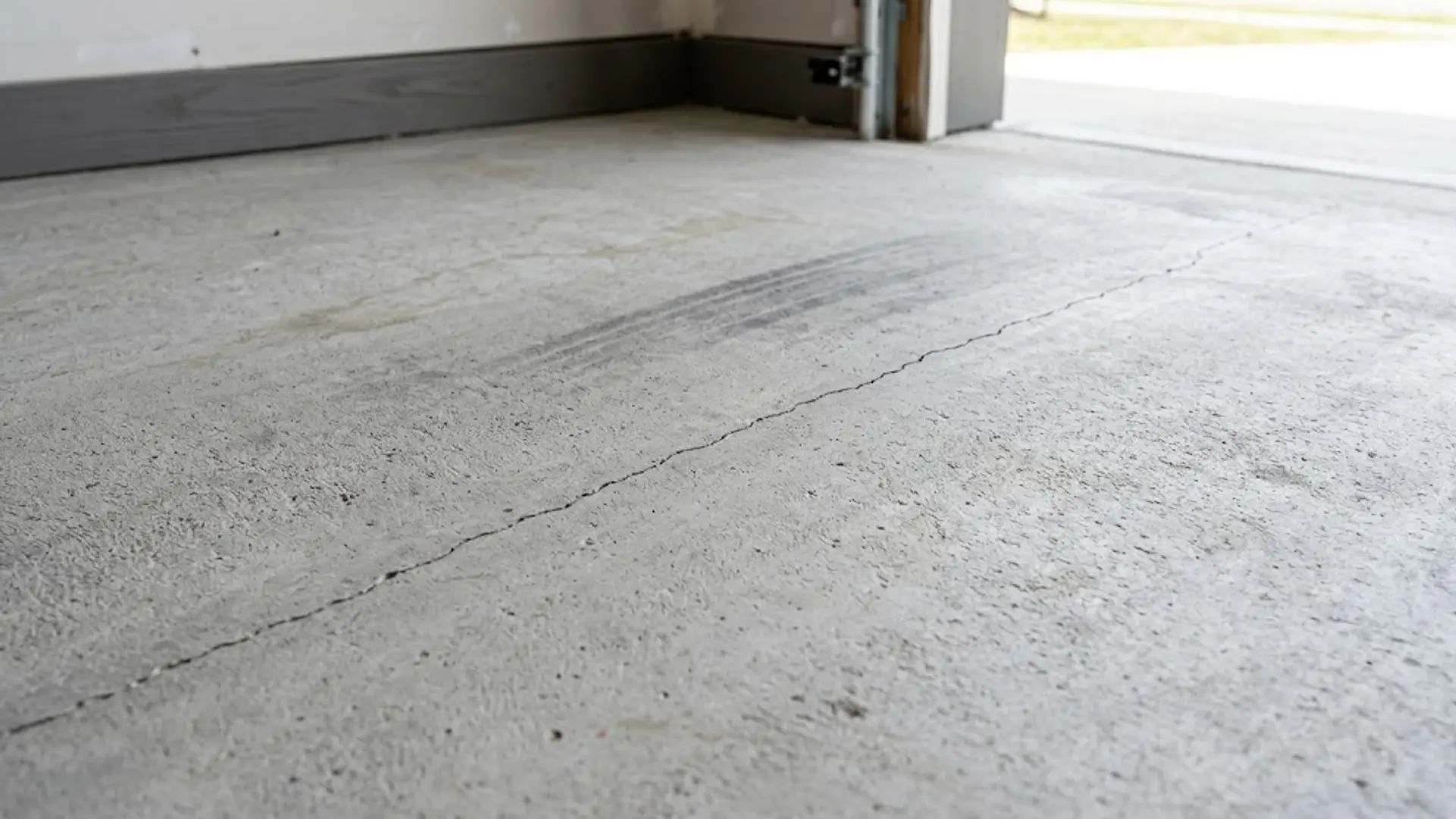
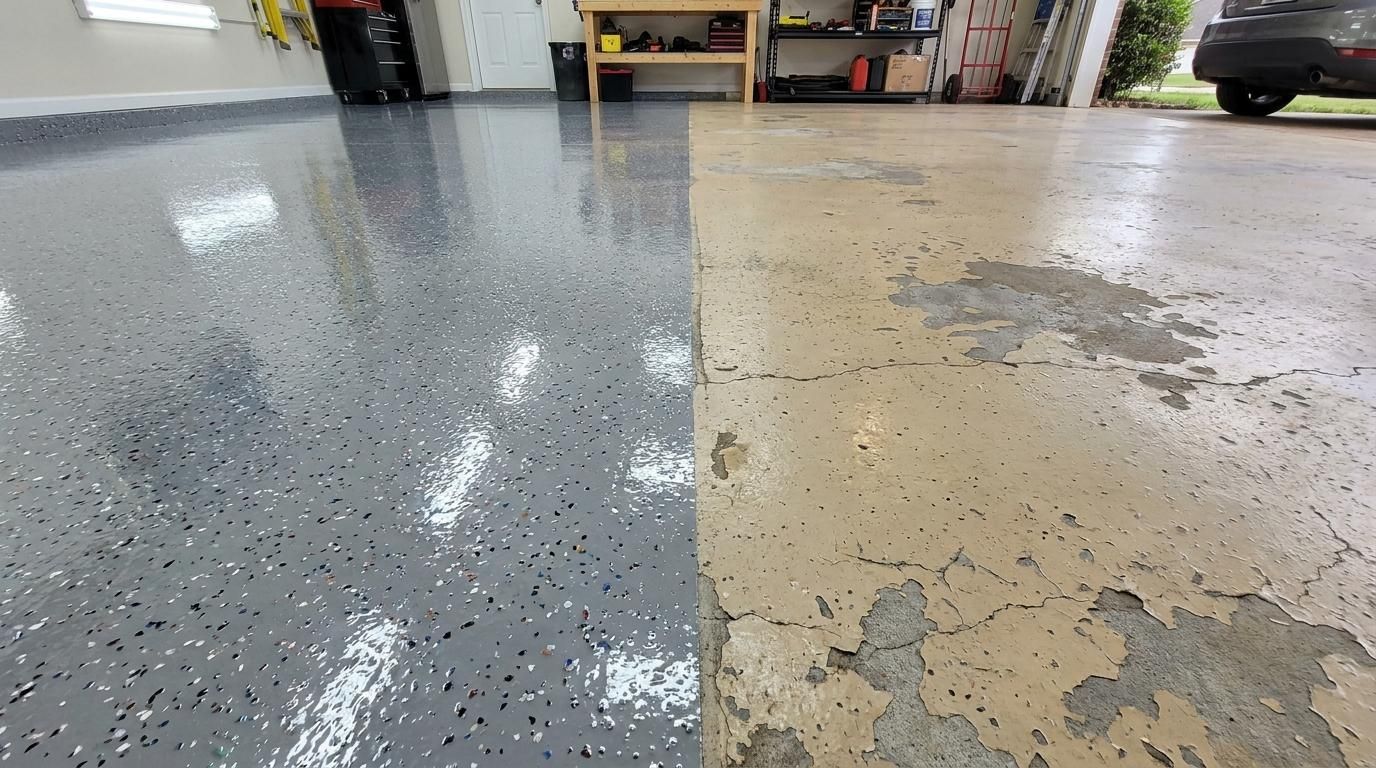
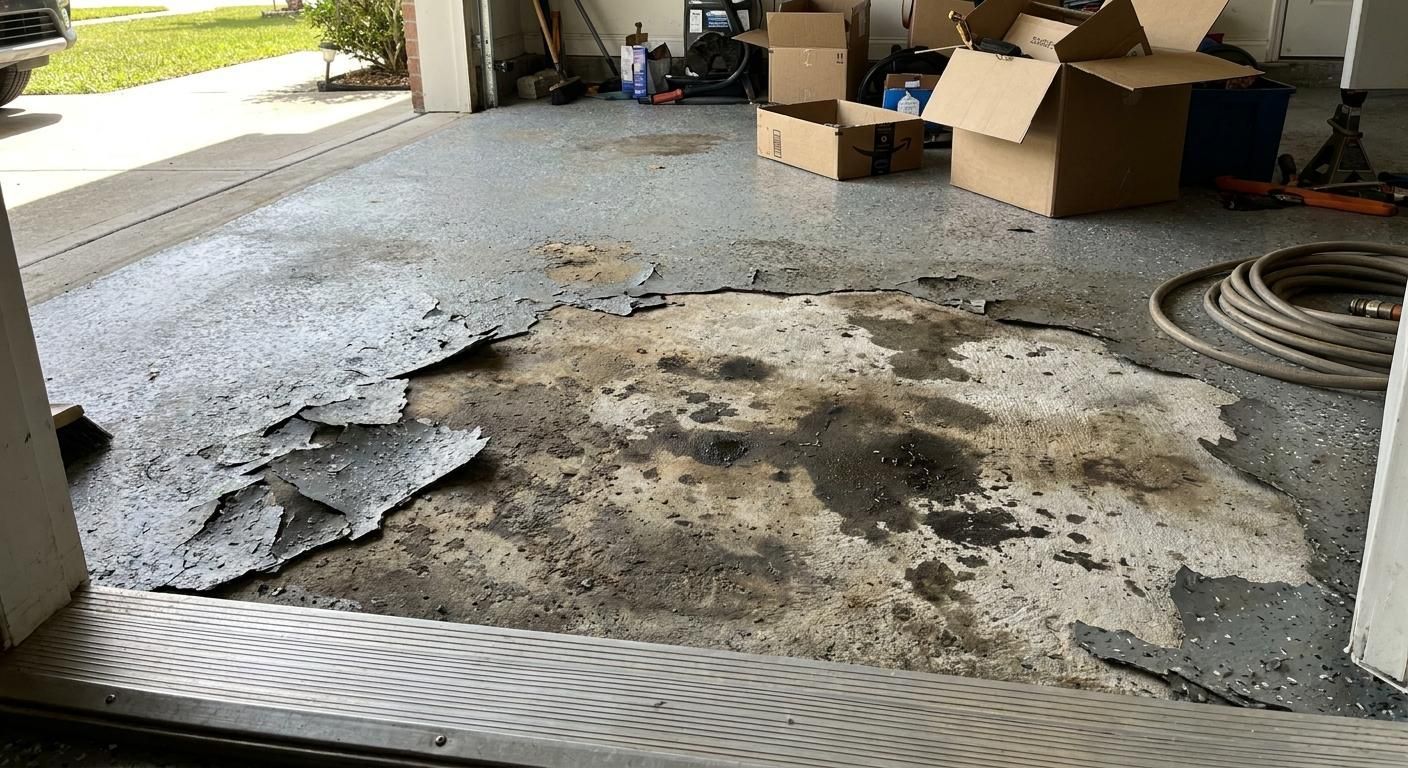
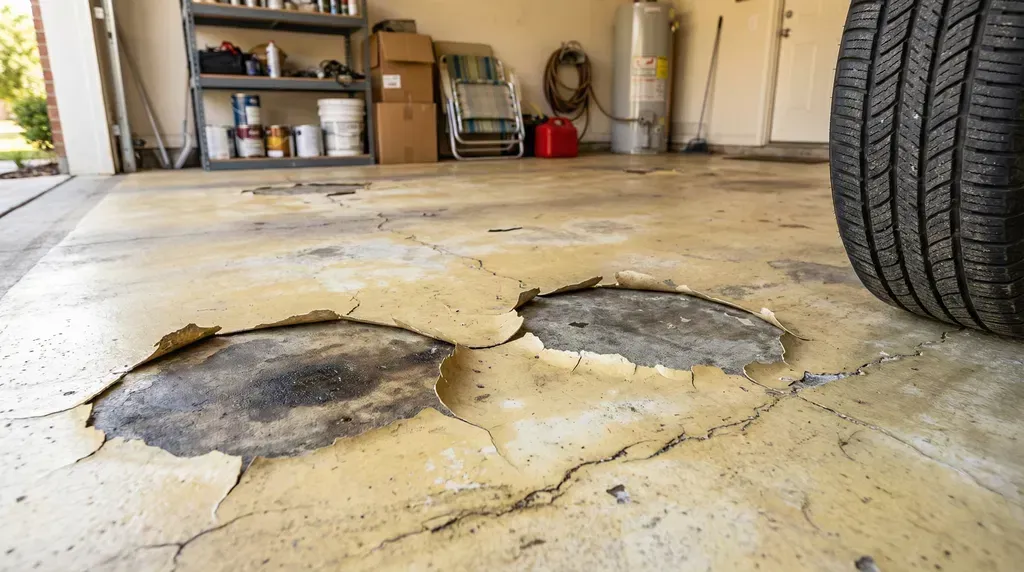
Over time, this movement can cause epoxy to crack, chip, and eventually delaminate, meaning the coating separates from the concrete entirely. This is one of the most common epoxy floor failures our team encounters in the region.
4. Cold-Weather Installation Limits
Most epoxy formulations require ambient temperatures above 50°F to bond and cure correctly. In Northwest Arkansas, that limits installations from late fall through early spring. If you want to work around that window, you'll need to heat the entire garage for several days, an additional cost that catches most homeowners off guard.
5. Hot Tire Pickup
Car tires absorb heat from asphalt while driving and carry it onto your garage floor. When that heat transfers through the tires, it can soften the epoxy enough to pull it away from the concrete. The result is visible marks and peeling that can't be spot-fixed, only fully recoated.
6. Shorter Effective Lifespan
Under ideal, low-traffic conditions, epoxy can last five to ten years. However, in a working NWA garage, where seasonal temperature swings stress the bond, UV exposure yellows the finish, and daily vehicle use grinds the surface. In this environment, epoxy floors often begin showing noticeable wear within two to three years.
For a coating that was supposed to be a long-term investment, that's a frustrating return. Many homeowners end up recoating sooner than expected, spending more in the long run.
What Actually Holds Up in Northwest Arkansas
These downsides aren't edge cases. They're the reasons homeowners across NWA end up recoating or replacing epoxy after just a few seasons, and the fix isn't a different brand of epoxy.
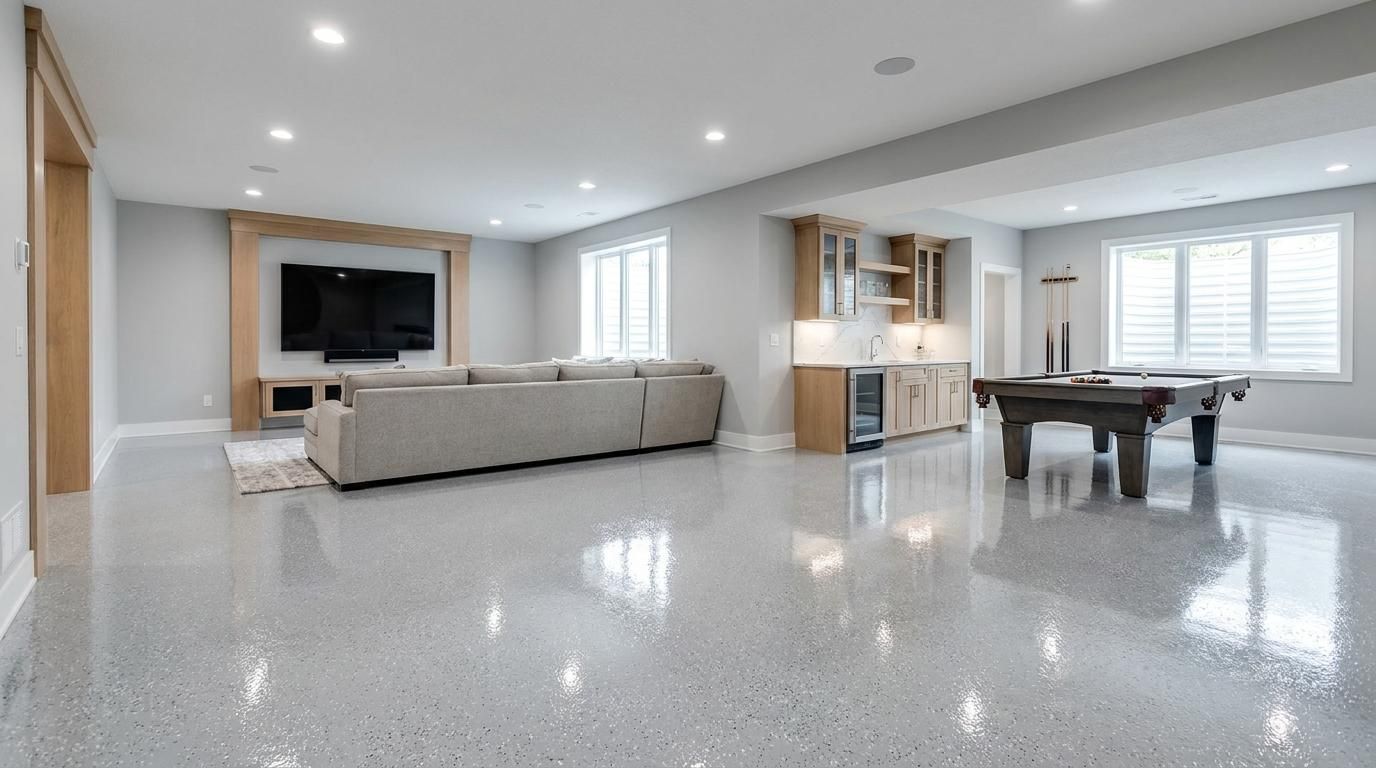
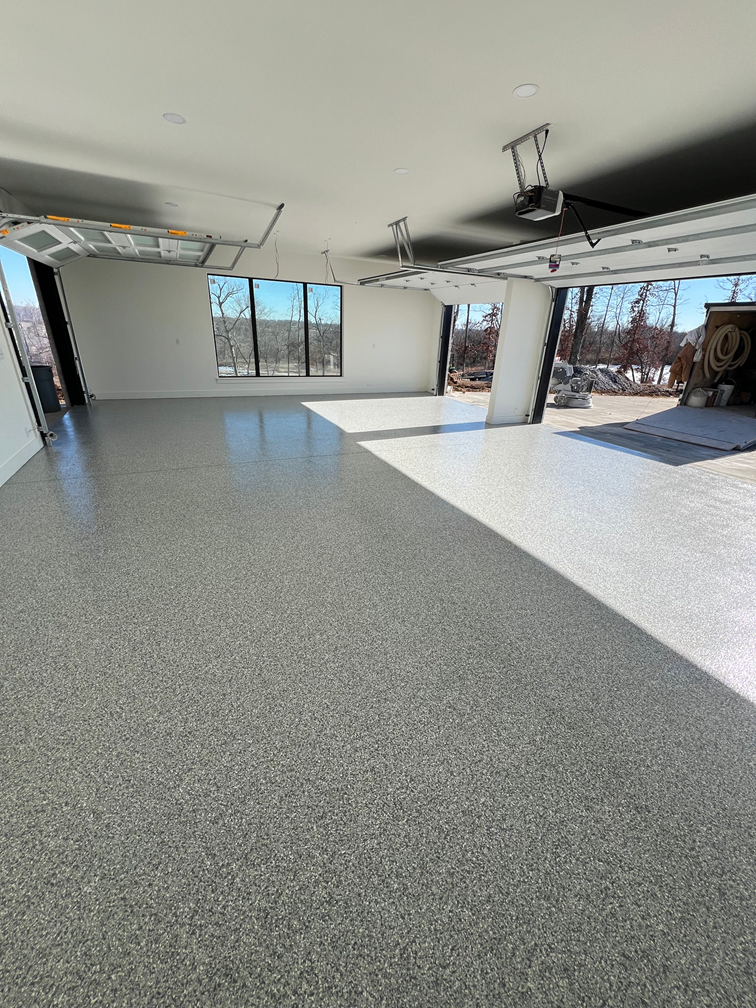
Polyurea and polyaspartic coatings use a two-part system: a flexible polyurea base coat that bonds to the concrete, topped with a hard polyaspartic finish that takes the daily wear. The key difference is chemistry. Polyurea flexes with concrete as temperatures shift, so it’s far less likely to crack or delaminate through NWA's freeze-thaw cycles the way rigid epoxy can. The polyaspartic top coat is UV-stable (no yellowing even on garage floors exposed to direct sunlight) and it won't soften under hot tires.
12 Point Concrete Coatings installs this system across Northwest Arkansas using Valence Protective Coatings products rated at 4x the strength of standard epoxy. The full installation process takes a single day, with floors walkable in 24 hours and ready for vehicles in 48. Because polyaspartic coatings cure effectively at low temperatures, installation happens year-round, no seasonal blackout window. Every residential project includes:
- A 15-year warranty on peeling, chipping, and delamination
- A lifetime no-yellow, no-fade guarantee from the manufacturer
Homeowners across Bentonville, Rogers, Fayetteville, and Springdale can browse color and flake combinations before installation day to match the finish to their home's style.
Get an Honest Look at Your Options
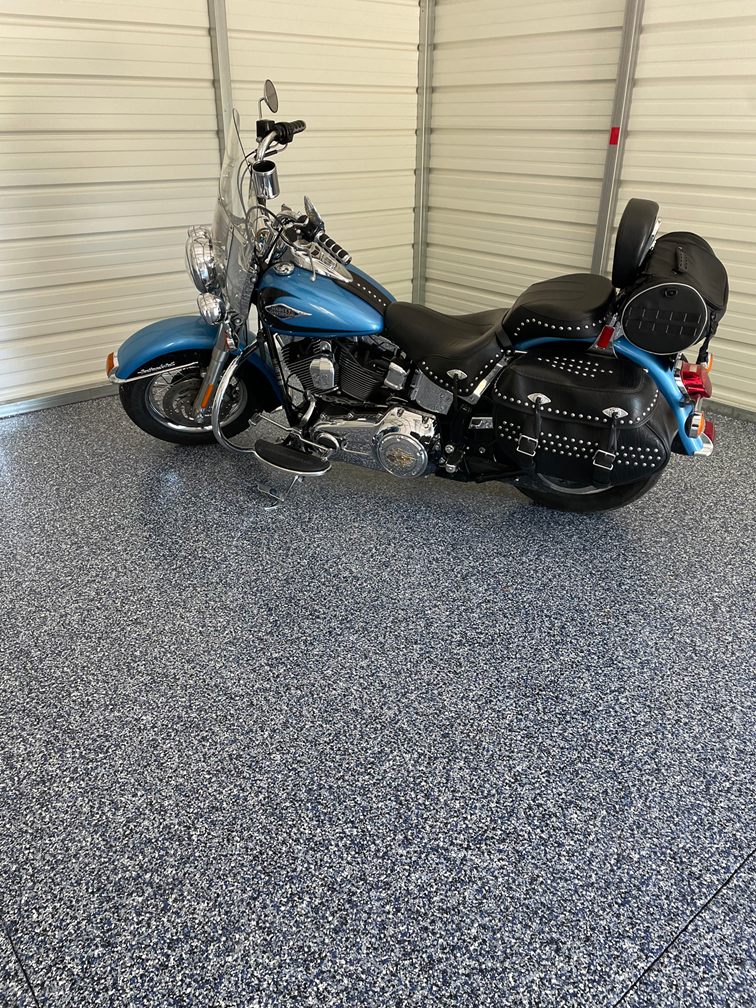
If your current garage floor is already showing the signs above—yellowing, peeling, tire marks—or if you want to skip the cycle entirely, 12 Point Concrete Coatings provides free quotes for homeowners throughout Northwest Arkansas. As a family-owned, fully insured company and certified Valence Protective Coatings installer, every job comes with the materials and workmanship to back up the warranty.
Call (479) 789-0812
or
send us a message to see what a one-day installation looks like for your garage.